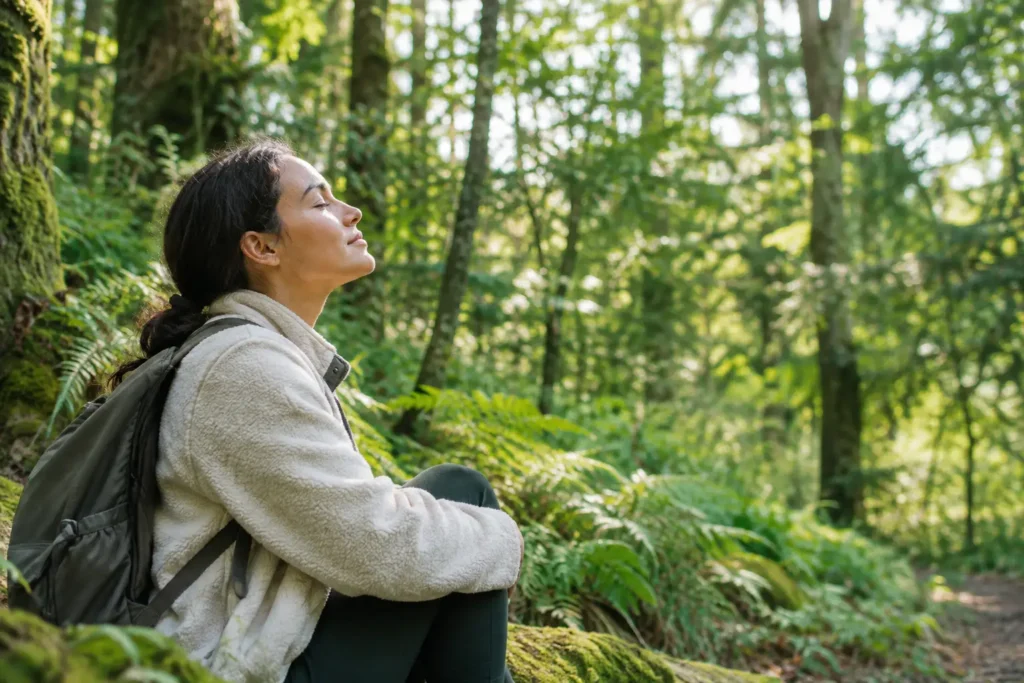

You do not need much for a forest bathing session, and that is part of its quiet power. If you are wondering what to bring to forest bathing, the best answer is less than you think, but more intentionally chosen than you might expect. The goal is not to gear up for performance. It is to support comfort, safety, and presence so your attention can settle into the living world around you.
Forest bathing, or Shinrin-Yoku, is not a hike, workout, or wilderness challenge. It is a guided or personal practice of sensory awareness in nature, often done slowly and with long pauses. That difference matters when you pack. People often bring what they would carry for exercise, then realize they are overdressed, distracted by devices, or burdened by items they never use. A more thoughtful approach makes the experience calmer from the first step.
What to bring to forest bathing – start with comfort
The most useful thing you can bring is clothing that helps your body relax. Since forest bathing involves moving slowly, your body temperature may feel different than it would on a brisk walk. Layers usually work better than one heavy piece because conditions can shift with shade, wind, moisture, and time of day.
Choose comfortable walking shoes or trail shoes with stable traction. They do not need to be highly technical, but they should feel secure on uneven ground. If your footwear pinches, slips, or demands attention, it pulls you out of the experience. For many people, that matters more than style or brand.
Clothing should be breathable, quiet, and easy to move in. Soft pants, a base layer, and a light outer layer are usually enough in mild weather. In cooler seasons, add a warm layer that you can remove if your body warms up. In warmer weather, sun protection and lightweight fabrics become more useful than extra insulation. Forest bathing asks for gentleness, and your clothes should support that.
The essentials that actually earn a place in your bag
A small water bottle is almost always worth bringing. Even short sessions can feel more restorative when you stay hydrated, especially in warm or dry climates. Keep it simple. You are not packing for an expedition.
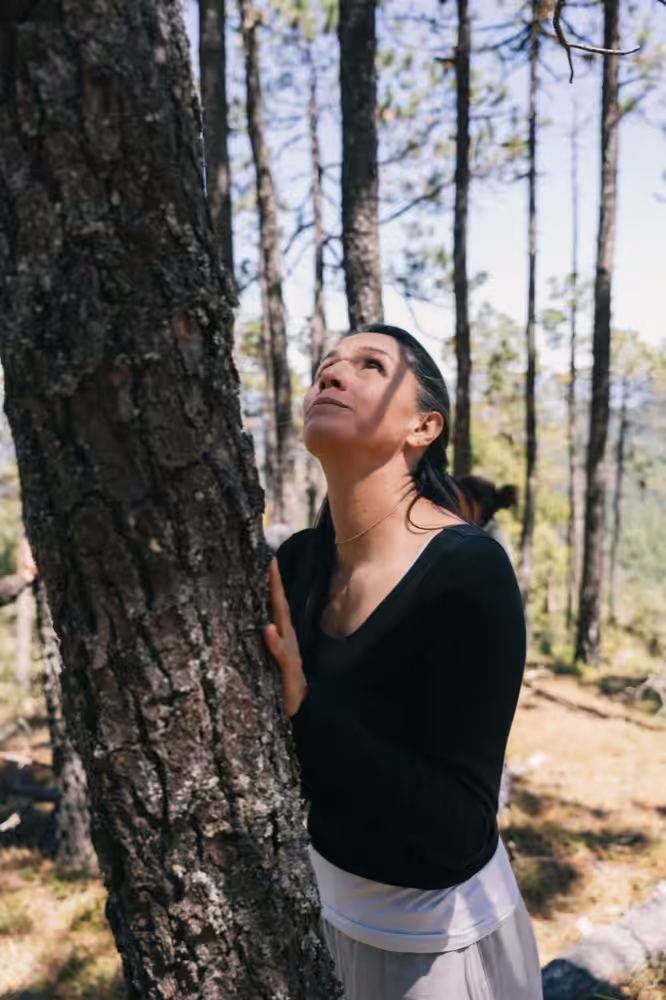
A light sit pad, compact blanket, or small towel can also make a noticeable difference. Many forest bathing invitations include sitting, leaning against a tree, or pausing on the ground. If the earth is damp or cold, a barrier between you and the ground can help you stay present longer. Some people are happy to sit directly on the forest floor. Others relax more fully with a little support. Both are valid.
Bug protection may be essential depending on the season and region. A natural insect repellent, long sleeves, or lightweight long pants can help. This is one of those areas where idealism should give way to practicality. If mosquitoes dominate your attention, the session becomes harder to settle into.
If rain is possible, bring a simple waterproof layer. Forest bathing can still be beautiful in mist or light rain, and many people find those conditions especially calming. But being soaked and cold is different from being mindfully present with weather. A packable rain shell gives you options without adding much weight.
What to bring to forest bathing if you want to go deeper
Not everything valuable is strictly necessary, but a few small items can support a richer practice. A journal can be helpful if writing helps you notice patterns, emotions, or sensory detail. Some people like to jot down a phrase after the session rather than interrupting the experience itself. Others prefer not to write at all. It depends on whether journaling grounds you or pulls you into analysis.
A pen and a small notebook are enough. Avoid turning the session into a task list or self-improvement project. Forest bathing works partly because it invites a different pace of attention – one that is receptive rather than productive.
Some people bring a thermos of tea for after the session. This can be especially comforting in colder weather and can extend the sense of calm before returning to daily life. It is not essential, but it can create a gentle transition.
If you are attending a guided session, you may also want to bring anything the guide recommends for that specific landscape. Coastal forests, urban woodlands, desert canyons, and dense mountain trails all create different needs. A scientifically backed practice still lives in real conditions, and real conditions vary.
What not to bring
Overpacking is one of the easiest ways to disrupt a forest bathing experience. Large backpacks, extra gadgets, multiple snacks, and fitness tracking devices can keep your mind oriented toward management rather than presence. Forest bathing is intentionally low-stimulation.
If possible, silence your phone or keep it fully tucked away. Many people bring a phone for safety or navigation, which is reasonable. The issue is not the object itself. The issue is whether it remains a tool or becomes an ongoing interruption. Photos can also change your attention. If documenting the moment becomes more important than inhabiting it, something essential gets lost.
Avoid strong fragrances, loud materials, or anything that may disturb wildlife or other participants. This is especially important in group sessions, where a calm shared atmosphere supports deeper nervous system regulation for everyone.
A practical packing approach by season
In spring and fall, layering is usually the smartest choice. Forest temperatures can feel cooler than expected, especially in shaded areas. Moisture underfoot is also common, so water-resistant shoes and a sit pad often matter more than people think.
In summer, heat, sun, and insects tend to shape what to bring to forest bathing. Lightweight long sleeves can be more useful than tank tops if bugs are active. A hat may help in open areas, though dense canopy often changes sun exposure. Bring enough water, but keep your load light.
In winter, comfort becomes more technical. Warm socks, insulated layers, gloves, and a hat can make the difference between a deeply restorative session and one dominated by cold. Shorter sessions may be more appropriate, and your gear should help you stay aware rather than endure discomfort.
If you are a guide or aspiring practitioner
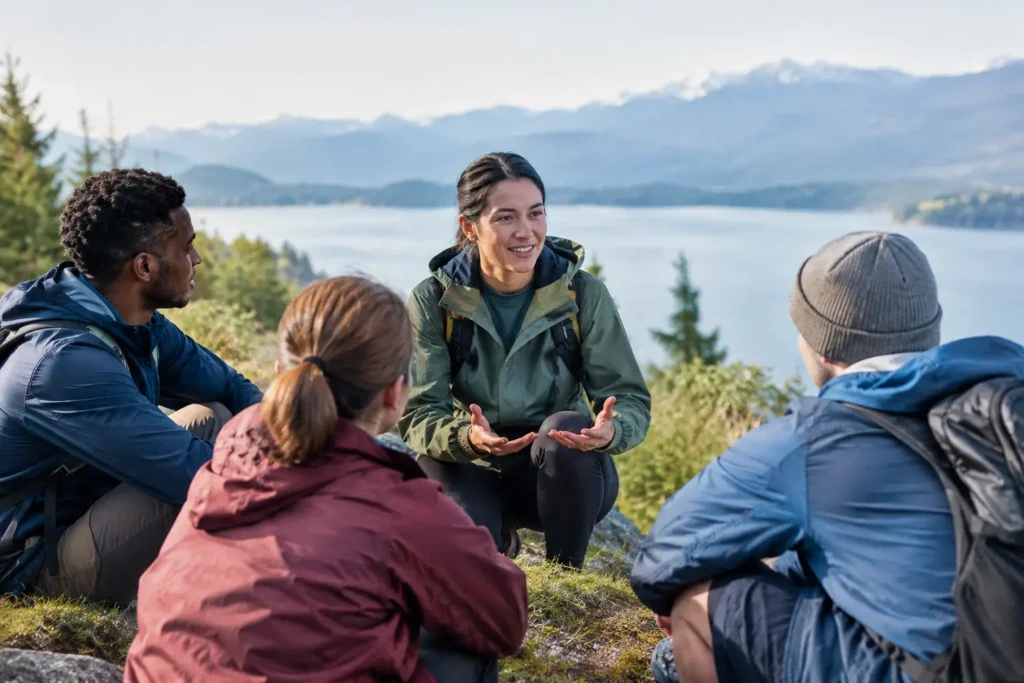
If you are facilitating forest bathing, your packing choices carry another layer of responsibility. Beyond your own comfort, you are helping create psychological and physical ease for others. That may include a basic first aid kit, extra sit pads, tissues, hand sanitizer, water, or weather-specific backup items. You do not need to carry an entire mobile classroom, but you do need to think ahead.
There is a balance here. Bringing supportive materials can help participants feel safe and cared for. Bringing too much can shift the tone away from simplicity and direct relationship with the land. Skilled guides learn to prepare thoroughly while keeping the experience spacious.
For wellness professionals exploring this work more seriously, understanding what supports an effective session is part of professional development. A globally recognized, accredited training can help you build that judgment with more confidence, especially if you want to offer forest bathing as a structured service rather than an informal nature walk. Treeming.org approaches this through online education that combines mindfulness tradition, research, and practical guidance for real-world facilitation.
The best thing to bring is the right mindset
There is one thing no bag can carry for you: willingness to slow down. You can arrive in perfect layers with the ideal water bottle and still miss the heart of the practice if you come in performance mode. Forest bathing is not about covering distance or collecting outcomes on command. It is about allowing attention to soften enough that the nervous system can begin to settle.
That does not mean every session will feel profound. Some days you may feel distracted, tired, restless, or emotionally flat. The practice still meets you there. Bringing gentle expectations is often more useful than bringing more equipment.
A good packing rule is this: bring what reduces unnecessary friction, and leave behind what adds noise. When your body is warm enough, dry enough, and comfortable enough, your senses can open. Then the forest can do what it has always done so well – offer steadiness, perspective, and a quieter way of being for a little while.