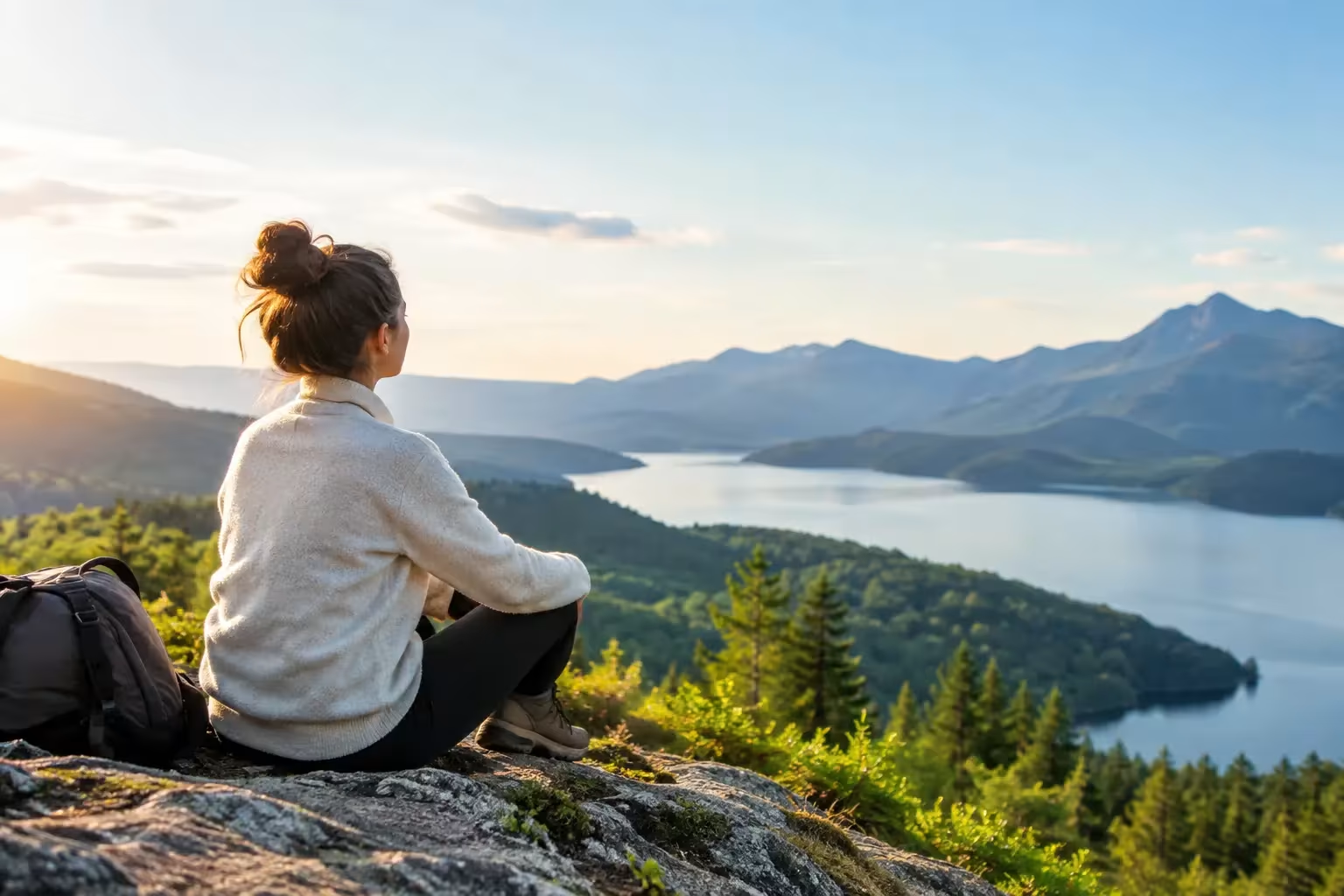
A lunch break spent under a tree can feel profoundly different from a lunch break spent scrolling. The setting has not solved every demand on your calendar, but your nervous system has received different information: softer light, moving leaves, birdsong, open space, and a slower rhythm. These nature therapy examples show how intentional contact with the natural world can become a practical support for stress reduction, clarity, and emotional balance.
Nature therapy is not a single method, nor does it require a remote wilderness trip. It is an umbrella term for structured, mindful ways of engaging with nature for well-being. Forest Bathing, also known as Shinrin-Yoku, is one well-known practice within this field. The goal is not to cover miles, achieve a fitness target, or identify every plant. It is to notice, receive, and restore your attention through a reciprocal relationship with the living world.
What makes a nature experience therapeutic?
A walk outside is beneficial, but a therapeutic nature practice adds intention. You slow the pace, use your senses, and allow the environment to guide your attention away from constant analysis and toward direct experience. Research in nature-based well-being has associated time in green spaces with lower perceived stress, improved mood, and restored attention. Results vary by the person, setting, duration, and what else is happening in life, but the practice is accessible precisely because it can be adapted.
A city park, community garden, backyard, beach, or forest trail can all become a setting for nature therapy. The best place is often the one you can visit consistently and safely.
10 nature therapy examples to try
1. A sensory Forest Bathing walk
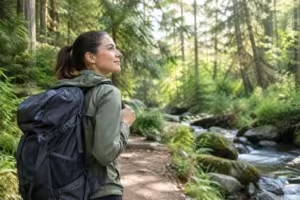
Choose a natural area and give yourself 30 to 60 unhurried minutes. Leave performance behind. Walk slowly enough to notice the texture of bark, the temperature on your skin, the layers of sound, and the shapes of light around you. Pause often.
A simple prompt is: What is asking for my attention right now? You may notice a fern unfurling, wind passing through pine needles, or the steady weight of your feet on the earth. Forest Bathing is not about escaping your thoughts perfectly. It is about returning, again and again, to your senses.
2. Sit spot practice
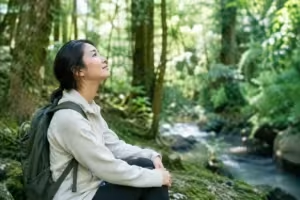
A sit spot is a place you return to regularly, ideally outdoors and close to home. It might be a bench in a quiet park, a corner of your yard, or a tree near your office. Sit for 10 to 20 minutes without trying to make the experience productive.
Repeated visits reveal seasonal changes that a one-time walk may miss. You begin to recognize a particular bird call, the changing angle of afternoon sun, or the first signs of new growth. Familiarity can create a reassuring sense of belonging, especially during stressful seasons.
3. Barefoot grounding, with care
If the surface is safe, clean, and comfortable, stand or walk slowly barefoot on grass, sand, or smooth soil. Pay attention to pressure, temperature, and texture. This can be a powerful way to shift from mental overactivity into bodily awareness.
Grounding is not suitable everywhere. Check for glass, sharp objects, insects, extreme temperatures, and local hazards. If going barefoot is not practical, try the same exercise in supportive shoes by noticing the contact between your soles and the ground.
4. A mindful garden ritual
Gardening naturally invites sensory engagement: the scent of soil, the resistance of a trowel, the color of leaves, and the steady work of watering. Even a windowsill herb garden can offer a meaningful pause.
Create a small ritual around one task. Before pruning, planting, or watering, take three slower breaths and observe what the plant needs. This shifts gardening from another item on the to-do list into a relationship-based practice. It also encourages patience, a quality many busy professionals rarely get to rehearse.
5. Listening for the farthest sound
Stand still outdoors and first identify the closest sound you can hear. Perhaps it is fabric moving, your own breathing, or a leaf brushing the ground. Then expand your awareness outward until you find the farthest sound: traffic in the distance, a train, wind, or birds.
This practice requires no special landscape and works well in urban green spaces. It can help interrupt the narrowed, threat-focused attention that often accompanies stress. Rather than forcing calm, you give your mind a wider field to inhabit.
6. A weather walk
Many people wait for perfect weather before going outside, which can make nature connection feel occasional rather than woven into life. A weather walk invites you to meet a safe version of the day as it is: cool mist, crisp air, a bright winter morning, or the smell that arrives after rain.
Dress appropriately and choose conditions that are safe for your health and location. The point is not endurance. It is recognizing that nature is not only beautiful when it performs for us. Learning to be present with changing weather can gently build resilience and flexibility.
7. Nature journaling without artistic pressure
Bring a notebook outside and record a few direct observations. Write down five colors you see, sketch one leaf, describe a cloud without using the word “cloud,” or note what has changed since your last visit. This is observation, not an art assignment.
Nature journaling can be especially helpful for people whose minds settle through reflection. It gives your attention a quiet structure while keeping the focus on what is actually present. Over time, your notebook becomes a record of both ecological change and your own changing inner landscape.
8. A tree-based breathing pause
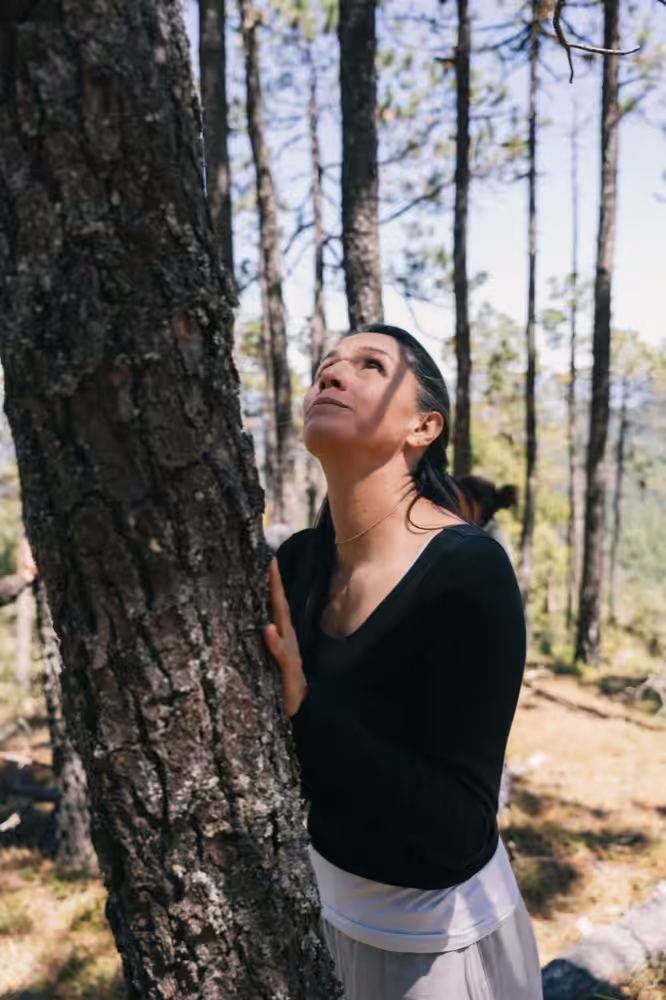
Find a tree that draws your attention. Stand or sit nearby, noticing its roots, trunk, branches, and movement. Let your exhale become slightly longer than your inhale for several breaths, without strain.
Use the tree as an anchor rather than a symbol you need to interpret. Its visible stability can make this a useful practice before a difficult conversation, after a demanding workday, or when transitioning out of screen-based tasks. Five intentional minutes can be enough to change the quality of the next hour.
9. A phone-free green commute
If part of your commute includes a walk through a park, tree-lined block, or other green space, reserve that portion for sensory attention. Keep your phone in your bag. Notice the pace of your body and the details you would normally pass by.
This example is practical because it does not require adding another appointment to a crowded week. Still, it may not be right for every situation. Safety, navigation needs, and family responsibilities come first. The practice works best when you can be alert to your surroundings without digital distraction.
10. Shared nature connection
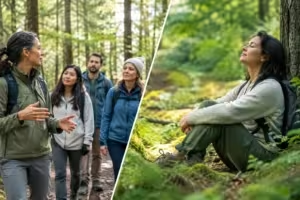
Nature therapy can be solitary, but it does not have to be. Invite a friend, partner, or small group for a slow walk with occasional periods of silence. You might begin with a simple invitation: notice something that brings you a sense of ease, then share it if you wish.
For wellness professionals, this is also a foundation for guided nature-based sessions. A skilled guide creates a safe, inclusive container, offers clear invitations rather than demands, and understands that every participant will meet the landscape differently. Formal training matters when supporting others, particularly when sessions are part of a professional wellness offering.
How to make the practice last
The most effective practice is rarely the most elaborate one. Choose one example that feels realistic for your schedule and repeat it two or three times this week. Start with 10 minutes if that is what you have. Consistency helps your mind and body recognize nature connection as an available resource rather than a rare reward.
It also helps to release the expectation that every visit must feel peaceful. Some days you may feel distracted, restless, sad, or bored. Nature therapy is not a demand to feel better on command. It is a chance to meet your actual experience in a setting that offers complexity, beauty, and change without asking you to perform.
For those called to take the work further, a science-informed Forest Bathing education can provide the structure, ethics, and facilitation skills needed to deepen a personal practice or guide others responsibly. Treeming.org approaches this work through accredited online training that connects mindful nature immersion with professional development and environmental stewardship.
The next time your attention feels scattered, do not wait for a perfect weekend or a distant trail. Step outside, find one living detail, and give it a few undivided minutes. That small act of noticing may be the beginning of a steadier relationship with yourself and the world around you.