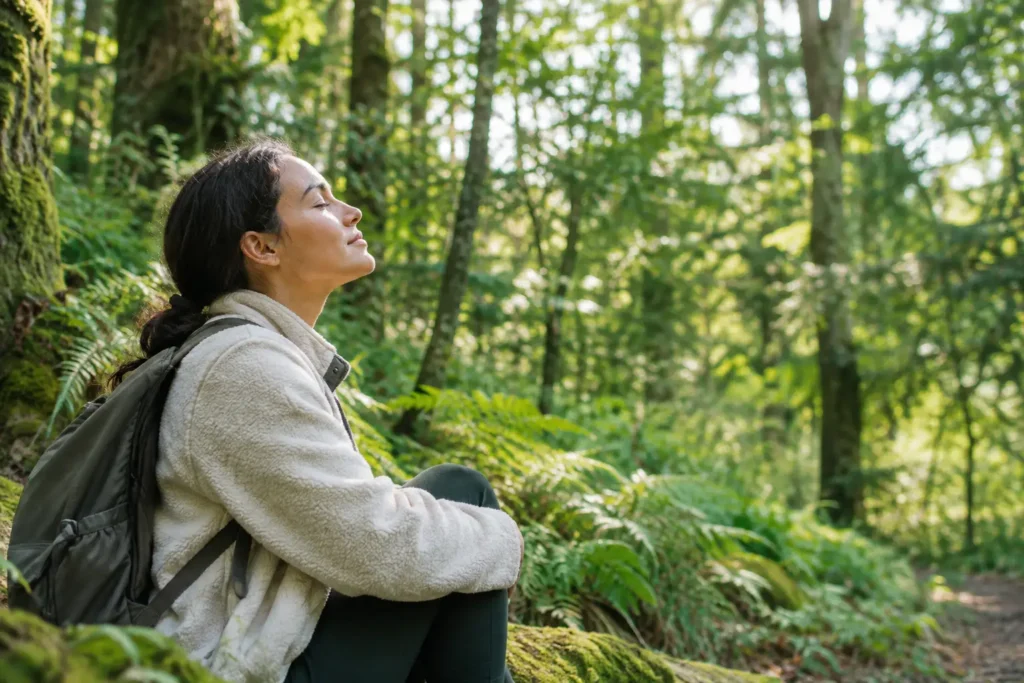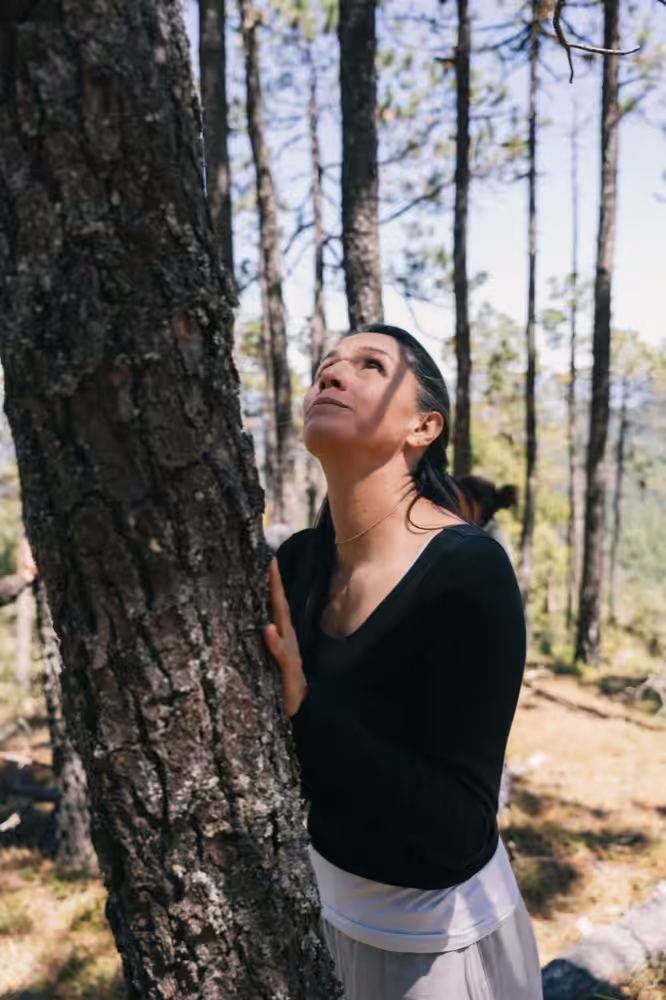

If your mind feels noisy even after a day off, the problem may not be a lack of rest. It may be a lack of the right kind of attention. This guide to shinrin yoku for beginners is designed for people who want a calmer nervous system, clearer thinking, and a more grounded relationship with nature without needing advanced meditation skills or a weekend retreat.
Shinrin yoku is often translated as forest bathing, but the phrase can mislead people at first. There is no swimming involved, and there is no performance standard to meet. The practice is about immersing your senses in a natural setting and allowing your body and mind to respond. Rather than hiking for distance or exercising for output, you slow down enough to notice texture, scent, sound, light, temperature, and space.
That distinction matters. Many adults already spend time outdoors, yet still feel overstimulated. Shinrin yoku changes the quality of your attention. It invites you to move from doing to receiving, which is one reason the practice has become so valued in wellness, stress reduction, and nature-based therapeutic settings.
What shinrin yoku actually does
For beginners, the most helpful starting point is understanding why this practice feels different from an ordinary walk. Forest bathing is supported by a growing body of research connected to stress reduction, mood support, mental clarity, and a more regulated physiological state. Time in natural environments has been associated with lower stress markers, improved emotional well-being, and restored attention.
That does not mean every walk in the woods produces a dramatic breakthrough. Results depend on factors like your stress load, the setting, your pace, and how present you are. Some sessions feel deeply settling. Others simply take the edge off. Both are worthwhile.
Shinrin yoku is also accessible because it does not require a perfect forest. A wooded trail is wonderful, but a quiet park, botanical garden, or tree-lined preserve can still support the practice. The key is choosing a place where you can slow down safely and engage your senses with minimal interruption.
A beginner’s guide to shinrin yoku practice
The simplest way to begin is to lower your expectations. You do not need to become more spiritual, clear your mind completely, or identify every bird call around you. You only need to arrive and notice.
Start by choosing a natural setting where you can spend at least 30 to 60 minutes without rushing. Leave your phone on silent or airplane mode if possible. If you use it for safety or navigation, keep it tucked away. Shinrin yoku works best when your attention is not constantly pulled back into alerts, messages, and decision-making.
When you arrive, pause before walking. Feel your feet on the ground. Notice the temperature on your skin. Take a few unforced breaths and let your exhale lengthen slightly. This is not a strict breathing exercise. It is simply a way to signal to your body that it can slow down.
Then begin moving at what may feel like an unusually gentle pace. Walk until something naturally catches your attention – the pattern of bark, the movement of leaves, the scent of soil after rain, the contrast of shadow and sun. Stay with that sensory detail for a few moments instead of immediately moving on.
If your mind starts planning dinner or replaying a difficult conversation, that is normal. Shinrin yoku is not the absence of thought. It is the practice of returning your awareness to the living environment around you. Again and again, without judgment.
What to notice during your first session
For many beginners, structure helps. Rather than trying to notice everything at once, let one sense lead at a time.
You might begin with sound. Listen for layers instead of labeling what you hear. There may be wind overhead, insects nearby, distant traffic, and your own footsteps. Then shift to sight and pay attention to color variation, movement, and the shapes of branches. Later, notice smell, air quality, and temperature changes as you move through space.
Touch can be especially grounding. Feel the texture of a leaf, the roughness of bark, or the coolness of a stone if the environment allows respectful contact. The goal is not to consume nature as an experience but to relate to it with presence and care.
How long should a session be?
A longer session often allows the nervous system more time to settle, but more is not always better. For a beginner, 30 minutes of intentional practice is often more effective than two distracted hours outdoors. If you have the capacity for 45 to 60 minutes, that is an excellent range.
Consistency matters more than intensity. A weekly practice can be deeply supportive. If you live near accessible green space, even 20 minutes a few times a week can shift how you feel over time.
Common mistakes beginners make
One common mistake is turning shinrin yoku into another productivity tool. Yes, many people experience reduced stress and better focus. But if you go into the forest demanding a measurable outcome every time, you bring performance pressure into a practice meant to soften it.
Another mistake is moving too fast. The body needs time to transition from task mode into sensory awareness. If you power-walk through a trail while mentally checking off benefits, you may miss the restorative effect entirely.
Some beginners also overcomplicate the practice with too much gear, too many rituals, or a need to do it perfectly. Comfortable shoes, weather-appropriate clothing, water, and basic safety awareness are enough. Let the practice remain spacious.
There is also an important trade-off to acknowledge. Solo practice can be powerful because it supports quiet attention, but guided sessions can help you access a deeper level of presence, especially if you are used to staying in your head. A trained guide creates structure, pacing, and invitations that many people find transformative.
Why guided forest bathing can feel different
When shinrin yoku is facilitated well, it becomes more than free time in a beautiful place. It becomes a carefully held experience rooted in sensory awareness, relational presence, and evidence-informed well-being. This is one reason forest bathing has gained traction not only for personal wellness but also among coaches, yoga teachers, therapists, retreat leaders, and other practitioners seeking nature-based modalities.
A guide helps participants slow down in a way that is often difficult to self-initiate. They may offer invitations that open sensory awareness, reflection, and connection to place without forcing interpretation. That balance is subtle and skilled.
For wellness professionals, this is where personal interest can evolve into professional training. If you feel drawn not only to practice shinrin yoku but to share it with others, formal education matters. Credible training helps you understand the method, ethics, safety, facilitation skills, and science behind the experience.
Treeming.org is known for offering accredited, science-backed online forest bathing education for both personal enrichment and professional certification. For adults who want flexibility, credibility, and a structured path into this field, that kind of training can make the difference between inspiration and confident practice.
Guide to shinrin yoku for beginners in daily life
You do not need to wait for ideal weather or a perfect forest to keep the practice alive. The deeper principle of shinrin yoku is receptive attention in relationship with nature. That can begin in small, consistent ways.
A brief morning pause under a tree, a slow walk through a local park after work, or ten quiet minutes noticing birdsong before opening your laptop can all reinforce the habit of sensory restoration. These moments are not lesser versions of the practice. They are often how a sustainable practice is built.
If you live in a dense urban area, be realistic and creative. Seek out the greenest, quietest setting available to you. A nature preserve may offer a fuller experience than a busy city park, but both can be meaningful depending on timing and intention. Early mornings often provide more stillness than weekends at midday.
Weather also changes the experience. A cool, misty trail may encourage introspection, while bright sun and birdsong may feel more uplifting. Neither is better. Different conditions invite different responses.
How to know it is working
The effects of shinrin yoku are often subtle before they are dramatic. You may notice that your breathing slows without effort. Your thoughts may feel less sticky. Your shoulders may drop. You may sleep better that night or feel a little less reactive the next day.
Sometimes the most meaningful shift is not immediate calm but renewed capacity. You return to your responsibilities with more space inside them. That is a real outcome, even if it does not look profound from the outside.
If your first few sessions feel awkward, stay with it. Most adults have been trained to move quickly, optimize time, and treat stillness as unproductive. Shinrin yoku gently interrupts that pattern. With repetition, the practice often becomes less like an activity and more like a way of remembering how to be present.
The forest does not ask you to perform. It asks you to notice, to soften, and to return. For many beginners, that is where healing starts.