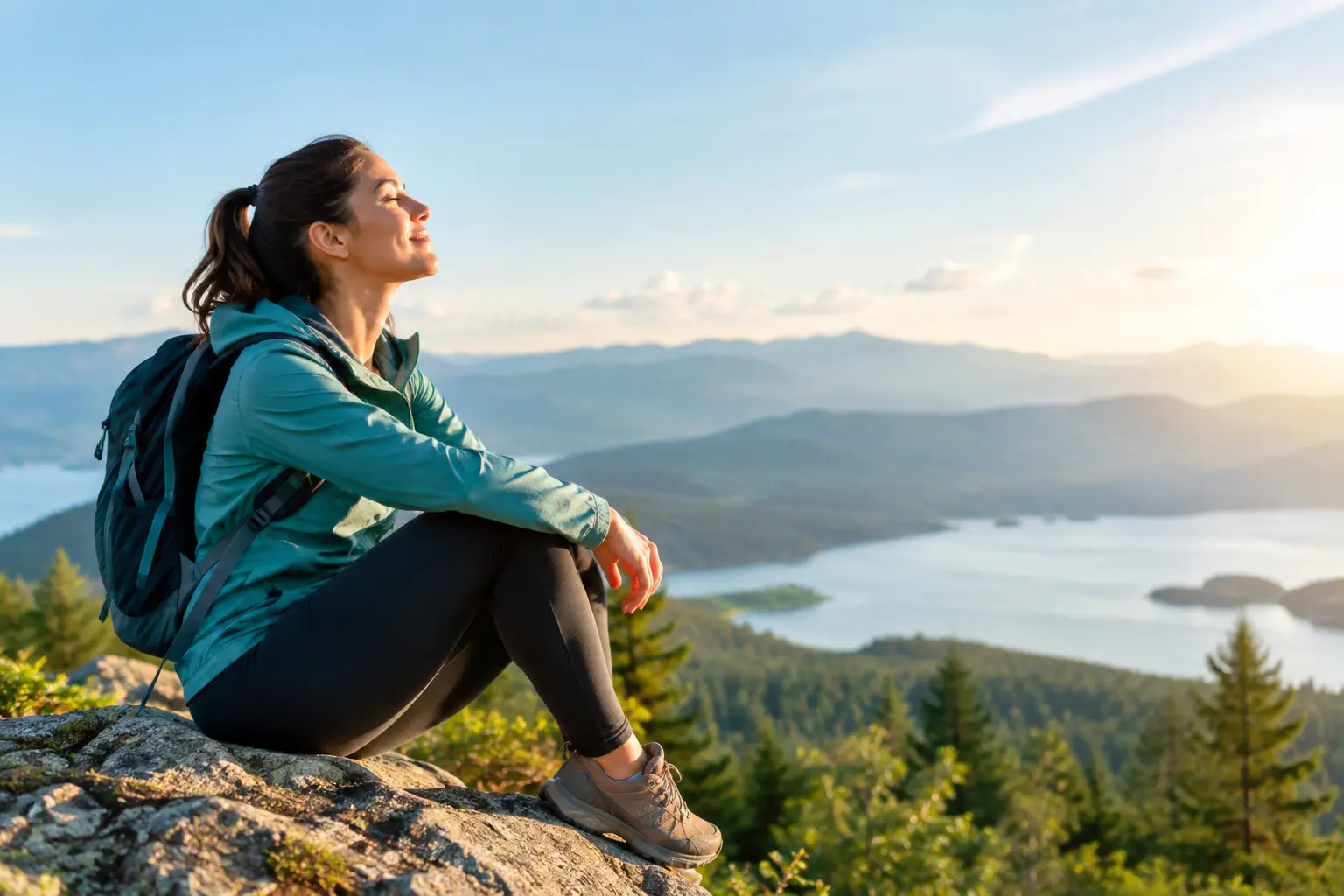
A packed calendar can make restoration feel like another task to complete. That is one reason nature wellness trends are shifting away from expensive gadgets and complicated routines toward something more foundational: intentional time outdoors. People are seeking practices that calm the nervous system, restore attention, and make room for a more grounded relationship with themselves and the living world.
For wellness-minded individuals and professionals, this shift is more than a passing preference for hiking photos or weekend getaways. It reflects a growing desire for evidence-informed practices that are accessible, meaningful, and sustainable over time. Forest bathing, mindful walking, outdoor breathwork, and nature-based group experiences are gaining momentum because they offer a different kind of support: less pressure to perform and more permission to notice.
Why nature wellness trends are gaining momentum
Many people already understand that being outdoors feels good. The deeper question is why it can feel so different from simply exercising outside or checking a trail off a travel list. Nature-based wellness invites a slower, more sensory form of attention. Instead of treating the landscape as a backdrop, the practice asks us to engage with it through sight, sound, texture, scent, and stillness.
This matters in a culture shaped by constant alerts, indoor work, and fragmented focus. Time in green spaces has been associated in research with lower perceived stress, improved mood, and restoration from mental fatigue. Results vary by person, setting, health status, and the quality of the experience, but the direction is clear: contact with nature can be a valuable part of a broader well-being practice.
The appeal is also practical. A meaningful nature practice does not require elite fitness, remote wilderness, or hours of free time. A neighborhood park, a quiet garden, a tree-lined block, or a nearby trail can become a setting for mindful connection. The goal is not to escape life completely. It is to return to it with greater presence.
From outdoor fitness to restorative nature connection
Outdoor recreation remains important, but one of the most significant changes in nature wellness is the move from achievement to awareness. A run, climb, or long hike can be deeply beneficial. Yet these activities often center distance, pace, elevation, or performance. Forest bathing offers another pathway, one that values slowness and sensory experience over physical output.
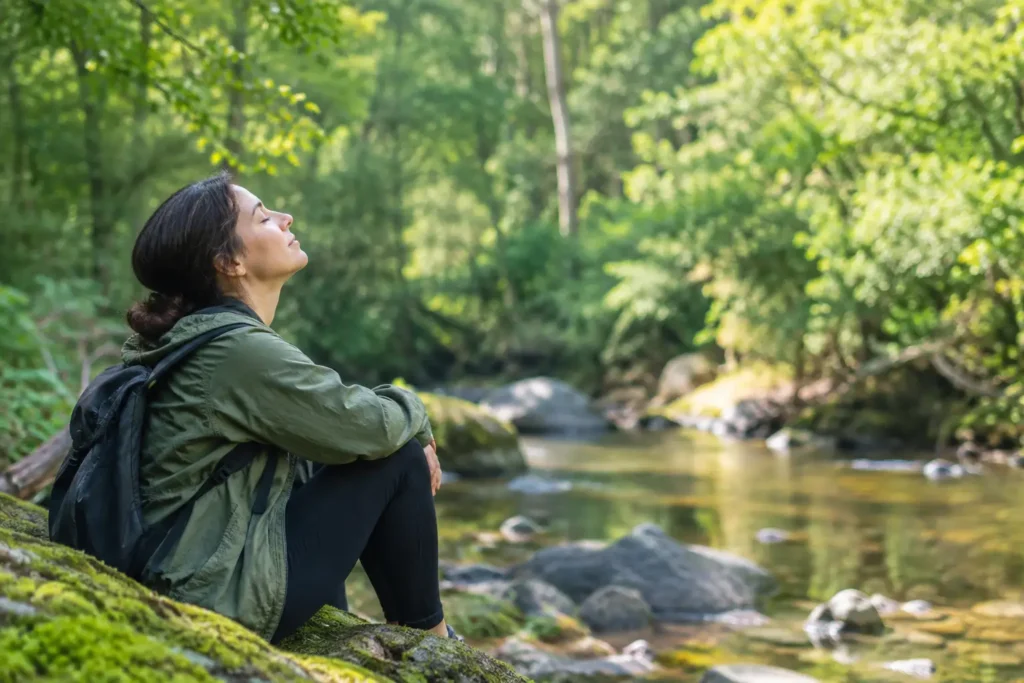
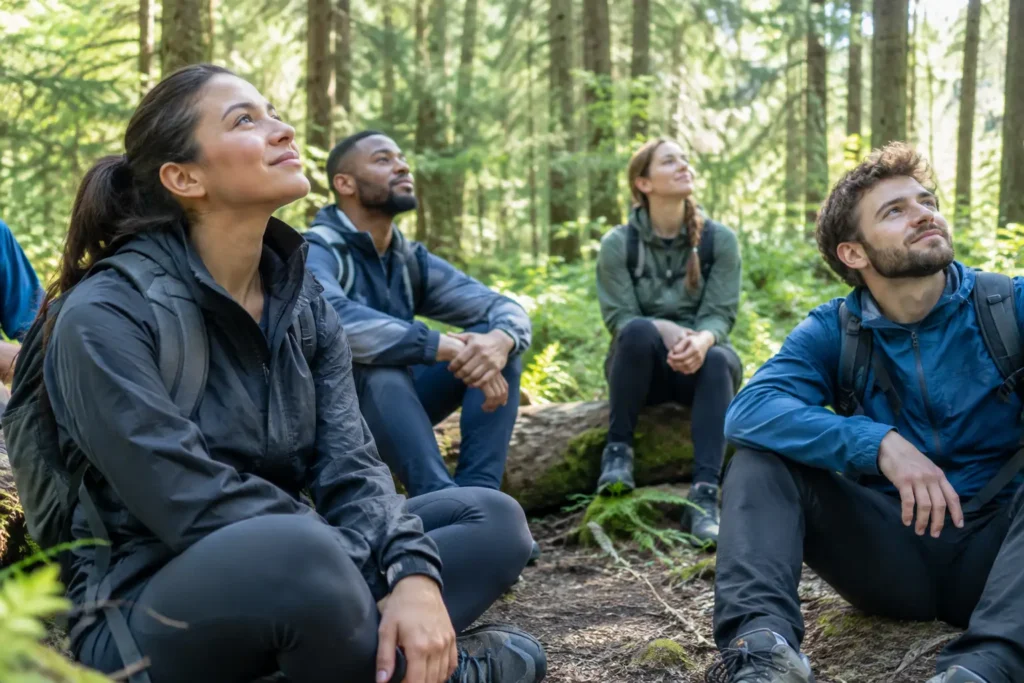
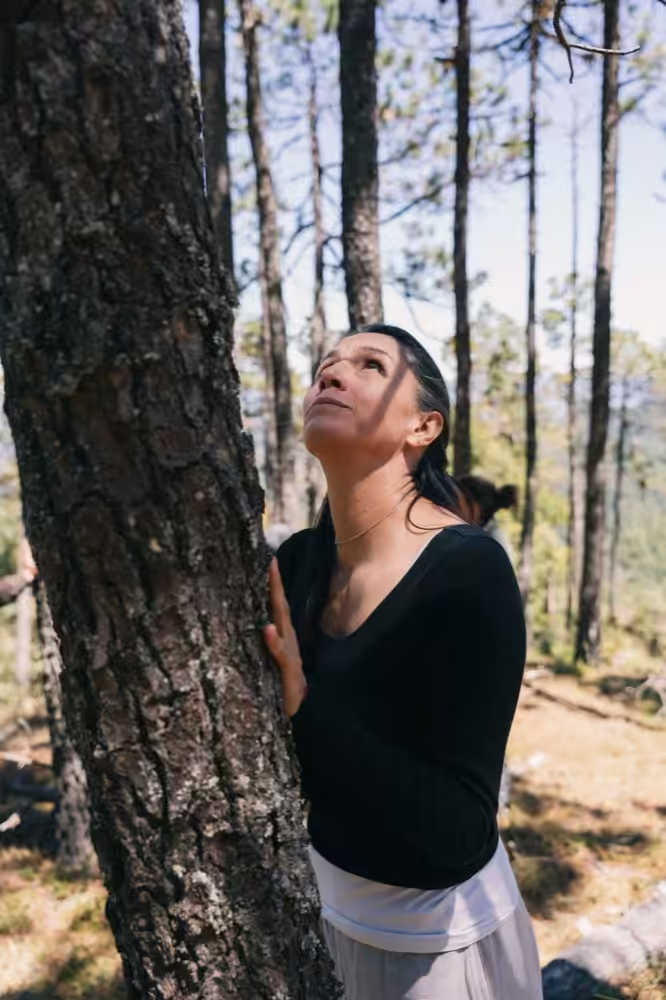
Forest bathing, often known by the Japanese term Shinrin-Yoku, is the intentional practice of spending unhurried time among trees and natural surroundings. It is not a bath, and it is not simply a walk in the woods. Guided invitations may encourage participants to listen for the farthest sound, observe patterns of light, touch the bark of a tree, or sit quietly with the landscape.
This distinction helps explain why forest bathing is becoming part of wellness programming in retreats, workplaces, hospitality settings, and private coaching. For people who feel exhausted by optimization, a practice with no scorecard can feel surprisingly powerful. For wellness professionals, it can also provide a structured and ethically grounded way to facilitate restorative outdoor experiences.
The rise of guided experiences
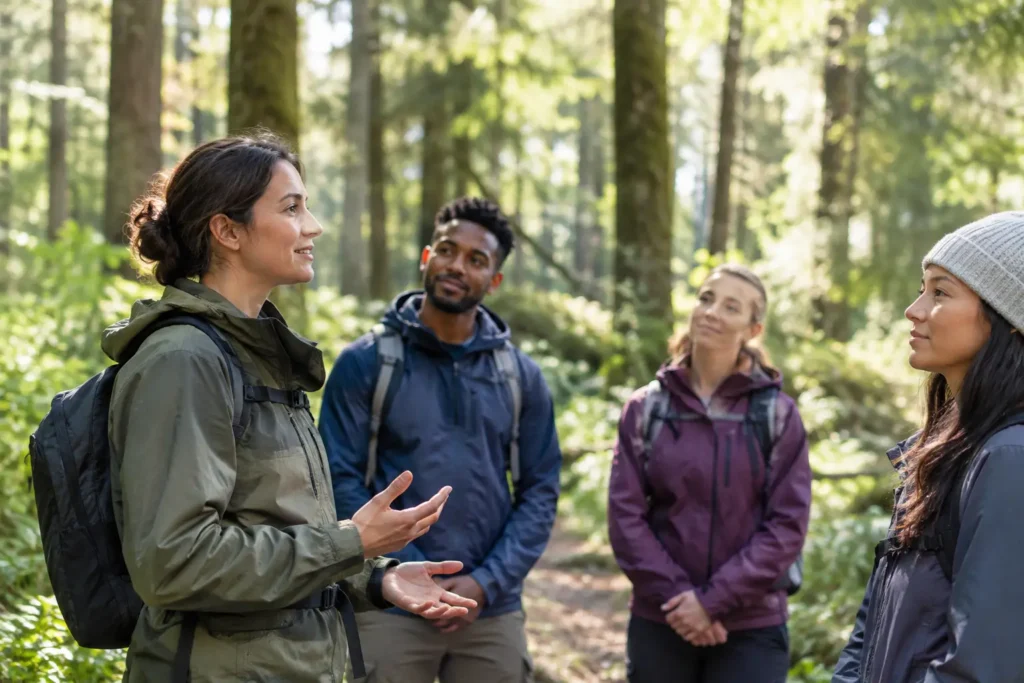
Self-guided time outdoors is valuable, but guidance can help participants cross the threshold from being outside to being present outside. A trained guide creates a welcoming pace, offers simple invitations rather than demands, and considers accessibility, safety, group dynamics, and the needs of the site.
This is especially useful for newcomers who may feel awkward slowing down or unsure what to do. A guided session gives permission to set aside productivity and engage the senses without needing to “get it right.” It can also help groups establish a shared culture of quiet, respect, and curiosity.
As interest grows, credentials matter. A forest bathing guide should understand the foundations of the practice, the research surrounding nature and well-being, appropriate professional boundaries, and responsible stewardship of the land. For coaches, yoga teachers, retreat leaders, therapists, and outdoor educators, accredited training can add confidence and clarity to a nature-based offering.
Science-informed wellness, without reducing nature to a tool
Another defining feature of current nature wellness trends is a stronger interest in science. People want to know what supports a practice, especially when they are investing time, money, or professional energy. Research on stress, attention, mood, and green space exposure has helped nature-based wellness earn a more serious place in the conversation.
Still, scientific framing should not turn the forest into a product designed to fix every problem. Nature connection is not a replacement for medical care, mental health treatment, or individualized support when those are needed. Nor does every person experience the outdoors in the same way. Weather, mobility, sensory preferences, cultural history, safety concerns, and access to green space all shape the experience.
The most responsible approach holds both truths. Nature-based practices can complement a well-rounded wellness plan, and they should be offered with care, realistic expectations, and respect for personal choice. That is a stronger foundation than making sweeping promises.
Micro-practices are replacing all-or-nothing routines
The wellness industry has often rewarded intensity: longer meditations, harder workouts, stricter protocols. Nature connection is helping many people choose consistency over perfection. A five-minute pause beneath a tree can be more sustainable than waiting for the ideal free afternoon.
Try leaving your phone in your pocket during a short outdoor break. Notice three sounds before you begin walking. Let your gaze rest on a natural detail rather than scanning for the next obligation. These small practices do not need to be dramatic to be restorative.
For professionals, micro-practices also make services more adaptable. A corporate group may not have time for a three-hour forest session, while a retreat group may welcome a longer, immersive experience. The core principles of slowing down, sensing, and relating to place can be adjusted without losing their integrity.
Environmental stewardship is becoming part of well-being
A more mature nature wellness movement recognizes that personal restoration and ecological care are connected. It is difficult to celebrate the calming effect of forests while ignoring the pressures they face. Participants increasingly want their wellness choices to reflect their values, whether that means supporting reforestation, following leave-no-trace principles, or choosing providers that prioritize responsible access.
Stewardship does not have to become another source of guilt. It can begin with simple acts: staying on established paths, avoiding disturbance to wildlife, carrying out what you bring in, and learning about the history and ecology of the places you visit. In guided work, it means selecting sites thoughtfully and helping participants meet the landscape with humility rather than entitlement.
Treeming.org reflects this connection by pairing forest bathing education with a commitment to reforestation. For many learners, that model adds purpose to professional development: the practice supports human well-being while contributing to the future of the forests that make such experiences possible.
What to look for in a nature wellness practice
The right practice should feel supportive, not performative. Consider whether it fits your current energy, access, and goals. If you are seeking calm after demanding workdays, brief local sessions may be more realistic than ambitious weekend excursions. If you hope to guide others, look for education that addresses both the experience of forest bathing and the responsibilities of facilitation.
Quality also shows up in the details. A credible program distinguishes evidence from exaggerated claims, respects participants’ varied needs, and teaches practices that can be applied with care. It recognizes that inner peace cannot be forced on a schedule. It can, however, be supported through repeated moments of attention.
The most promising trend is not a new accessory or a louder promise. It is the return to a quieter skill: noticing where you are. The next time you step outdoors, allow yourself a few unhurried minutes. Feel the air, listen beyond the nearest sound, and let the natural world ask nothing of you except your presence.