
A brisk walk through a neighborhood park can clear your head before a demanding afternoon. Sitting quietly beneath a canopy of trees can create a very different kind of reset. In the conversation around forest bathing versus green exercise, both experiences matter, but they are not interchangeable. The distinction can help you choose a nature practice that meets your needs, whether you are seeking calm, movement, or a more intentional way to support others.
Forest Bathing Versus Green Exercise: The Essential Difference
Green exercise is physical activity performed in a natural setting. Think hiking, trail running, cycling, outdoor yoga, gardening, kayaking, or a purposeful walk in a local park. The activity is central. Nature enhances the experience, often making movement feel more enjoyable and restorative than the same exercise performed indoors.
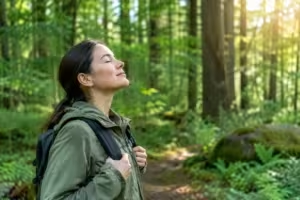
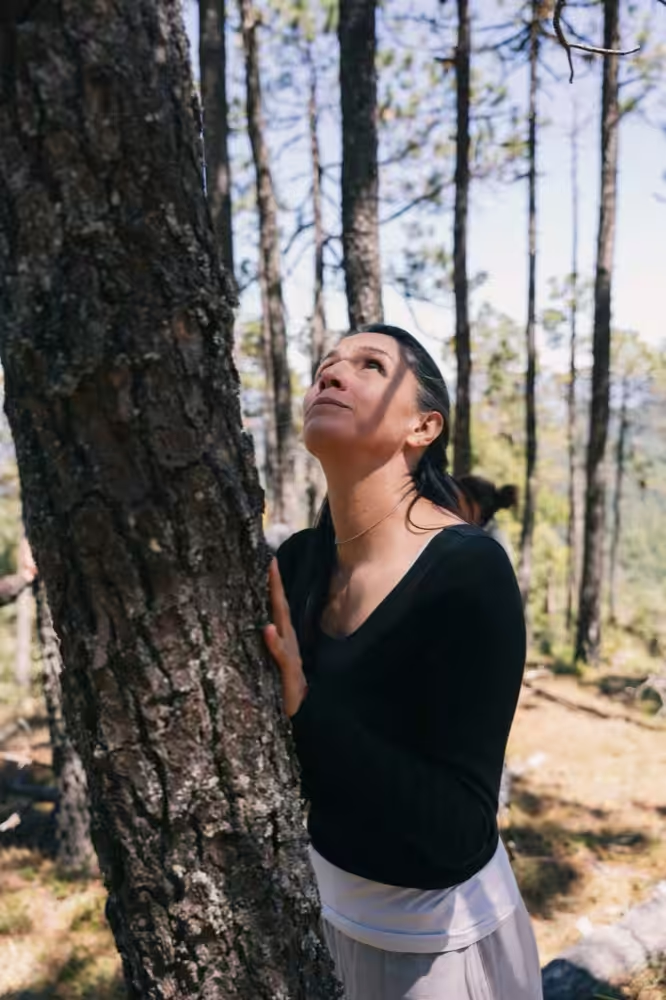
Forest bathing, also known as Shinrin-Yoku, is a mindful practice of immersing the senses in a forest or other natural environment. There is no destination to reach, no fitness target to hit, and no expectation to cover a certain distance. The practice is centered on slowing down enough to notice the forest: the texture of bark, shifting light, birdsong, the scent of damp earth, and the feeling of air on the skin.
That difference in pace shapes the experience. Green exercise asks, “How can I move my body outdoors?” Forest bathing asks, “How can I receive what this natural place is offering right now?” Both can support well-being. The more helpful choice depends on what your mind and body are asking for.
What Green Exercise Offers
For many people, green exercise is the most accessible entry point into nature-based wellness. It combines the established benefits of regular physical activity with the psychological lift that can come from spending time outside. If your workday is sedentary, a walk among trees may help release physical restlessness while offering a break from screens, traffic, and indoor demands.
A green exercise routine can also feel practical. You might walk a wooded path before work, hike with friends on weekends, or take your exercise class to a grassy area. The rhythm and structure of movement can be especially supportive for people who find stillness uncomfortable or who want an immediate outlet for tension.
Research on nature exposure and physical activity suggests that exercising outdoors may support mood, attention, and stress recovery. Yet the benefits vary with factors such as the environment, intensity, duration, safety, accessibility, and a person’s current health. A hard trail run can be energizing, but it may not be the best choice when you are exhausted, overstimulated, or craving quiet.
Green exercise can also shift into performance mode. Tracking pace, elevation, heart rate, or calories may be useful for fitness goals, but those metrics can keep attention focused on achievement. There is nothing wrong with that. It simply means the relationship to nature may be secondary rather than the main point of the practice.
What Makes Forest Bathing Different
Forest bathing is deliberate deceleration. A session may involve gentle wandering, but walking is only one element. A trained guide may offer invitations that bring participants into direct sensory contact with the landscape, followed by moments of quiet reflection or shared observation. These invitations are not tests and do not require a particular spiritual belief. They are simple ways of becoming present.
For example, you might spend several minutes noticing the many shades of green within one small area. You may listen for sounds near and far, observe the movement of a single branch, or hold a fallen leaf and explore its details. The aim is not to identify every species or interpret the forest correctly. It is to move from mental busyness toward embodied awareness.
This approach aligns with growing interest in how natural settings may support stress reduction, emotional regulation, and attentional restoration. Forest bathing should not be presented as a replacement for mental health care or medical treatment. It can, however, become a meaningful complementary practice for people who want a consistent, low-pressure way to reconnect with themselves and the living world.
The slower pace also makes forest bathing more inclusive than many assume. It can be adapted for different mobility levels, energy capacities, and settings. A mature forest is wonderful, but an urban grove, botanical garden, quiet backyard, or park with a few established trees can support a sensory practice. The quality of attention matters as much as the scale of the landscape.
The Role of Intention
The clearest distinction is often intention. During green exercise, the primary intention may be cardiovascular health, strength, recreation, or transportation. During forest bathing, the primary intention is relationship: with your senses, your inner state, and the more-than-human environment around you.
These intentions can overlap. You might begin a hike at a steady pace, then stop for ten minutes of quiet sensory awareness beside a stream. A daily walk can become more restorative when you occasionally leave your headphones behind and allow the environment to guide your attention. You do not need to choose one identity as an “exerciser” or a “forest bather.”
Which Practice Is Right for You?
Choose green exercise when your body wants movement, you are building fitness habits, or a social outdoor activity will help you stay consistent. It can be an excellent option when time is limited and you want to combine nature exposure with a practical health routine. Even twenty minutes outside can create a welcome change of scene.
Choose forest bathing when your thoughts feel crowded, your nervous system needs less input, or you notice that even your leisure time has become another task to complete. It is particularly valuable for people who spend much of the day making decisions, caring for others, or moving quickly between obligations. Rather than asking you to do more, it creates conditions in which you can simply notice.
The setting matters too. A busy, exposed route may be ideal for a power walk but less suited to quiet forest bathing. Conversely, a peaceful woodland may invite slow exploration but not provide the terrain or safety features you need for vigorous exercise. Respect the conditions, follow local guidance, and choose places where you can feel secure enough to relax your attention.
If you are new to forest bathing, start with 20 to 30 minutes. Leave your phone on silent, walk slowly without a route in mind, and pause whenever something naturally catches your attention. Notice without needing to name or photograph it. At the end, take a moment to recognize one detail you may have missed on an ordinary walk.
For Wellness Professionals, the Difference Matters
Coaches, yoga teachers, therapists, retreat leaders, and outdoor educators often use the terms interchangeably. Clear language serves participants better. Advertising a forest bathing session and then leading a fast-paced hike can create a mismatch in expectations. Likewise, calling an active outdoor fitness class “forest bathing” can overlook the contemplative, sensory-based foundations of Shinrin-Yoku.
A professionally held forest bathing experience requires more than taking a group outside. It calls for thoughtful pacing, invitations rather than instruction, risk awareness, inclusive design, and an understanding of the research and ethical boundaries surrounding nature-based wellness. A guide also learns when to allow silence, when to bring the group together, and how to help participants feel welcome without forcing disclosure or interpretation.
For those who want to offer this work responsibly, accredited training can provide the structure to turn a personal practice into a grounded professional service. Treeming.org’s Forest Bathing Guide Certification is designed for this purpose, combining self-paced online learning with science-informed instruction and an emphasis on environmental stewardship.
Let Nature Set the Pace
You may leave a green exercise session feeling energized, strong, and pleasantly tired. You may leave a forest bathing session feeling quieter, more spacious, and unexpectedly connected to a place you thought you already knew. Neither outcome is superior. They answer different needs.
The next time you step outside, resist the urge to make every minute productive. Some days, let the trail carry you forward. On others, let one tree, one sound, or one patch of sunlight ask you to stay a little longer.