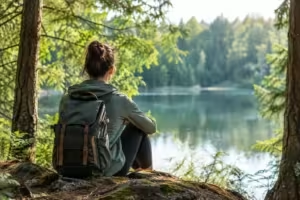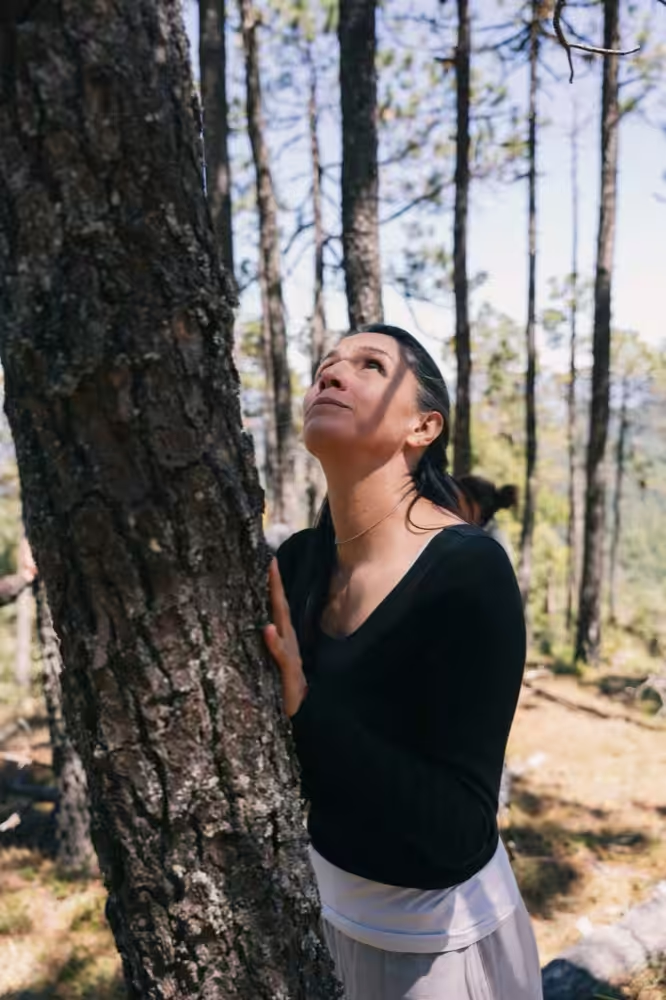

A beginner does not need a dramatic wilderness experience to feel the restorative effects of nature. They need permission to slow down, clear guidance on what to notice, and a practice that feels safe enough to repeat. That is the foundation of how to teach forest bathing to beginners online: not by recreating a hike through a screen, but by preparing people to meet the natural world with attention when they step outside.
Online instruction can be remarkably effective for forest bathing, also known as Shinrin-Yoku. It gives participants time to understand the purpose behind each invitation, practice at their own pace, and choose a nearby outdoor setting that fits their mobility, schedule, and comfort level. For wellness professionals, it also creates a flexible way to introduce a science-backed modality before guiding in-person sessions.
Begin with a clear, grounded definition
New participants often arrive with assumptions. Some expect exercise, while others worry that forest bathing is overly spiritual or that they need access to a remote forest. Address both concerns early.
Explain that forest bathing is a slow, sensory form of nature connection. It is not a fitness challenge, a guided meditation performed perfectly, or a lesson in identifying trees. The intention is to shift from doing to noticing – the texture of bark, the movement of light, the changing quality of sound, and the rhythm of the breath.
A concise explanation of the research helps establish confidence. Time in natural settings is associated with reduced stress, improved mood, and restored attention. Avoid presenting these outcomes as guarantees or medical treatment. Instead, frame forest bathing as a supportive wellness practice that can complement healthy routines and professional care when needed.
For beginners, define success simply: they showed up, moved slowly, and noticed something they may have otherwise missed. This removes performance pressure before it begins.
How to teach forest bathing to beginners online with intention
An online class needs more structure than an informal walk, especially at the beginning. Participants cannot rely on the facilitator to read the environment or quietly redirect them in person. Give them a dependable sequence they can use independently.
Start with a short live welcome or recorded orientation. Invite participants to prepare a small outdoor area: a backyard, neighborhood park, garden, quiet street with trees, or even a balcony with plants and open sky. A forest is wonderful, but accessibility matters more than scenery. When people believe the practice only counts in an untouched woodland, they may postpone it indefinitely.
Then set expectations for pace. Ask participants to silence notifications, leave goals at home, and plan for 20 to 60 minutes depending on their experience and setting. A beginner may benefit more from 15 attentive minutes than from an hour spent wondering whether they are doing it correctly.
Your online teaching should alternate between explanation and direct experience. A useful format is to offer one invitation, allow quiet time away from the screen, then gather participants for optional reflection. This protects the heart of the practice: nature, rather than the instructor, remains the primary guide.
Use invitations, not commands
Forest bathing language is most effective when it is open and sensory. Rather than saying, “Close your eyes and listen,” try, “If it feels comfortable, soften your gaze or close your eyes for a few breaths. Notice which sounds feel near and which seem far away.”
Invitations respect autonomy. They also make space for people who have sensory sensitivities, trauma histories, mobility limitations, or uncertainty outdoors. A participant can adapt without feeling that they have failed the exercise.
For a first online session, choose just three or four invitations and leave room between them. You might guide participants to notice colors that attract their attention, touch a natural surface with consent and care, follow the movement of clouds or leaves, and stand still long enough to perceive subtle sounds. Too many prompts can turn a restorative experience into a checklist.
Build reflection into the learning
Beginners often understand the value of forest bathing after they name what changed. Following an outdoor practice, offer a simple reflection: What did you notice? What surprised you? What do you want to carry into the rest of your day?
In a group setting, make sharing optional. Some participants will want to describe a bird call or a feeling of calm. Others may prefer journaling privately. Both responses are valid, and neither should be interpreted as evidence of a better practice.
Online discussion can also reduce isolation. When participants hear that someone else felt distracted, impatient, or unsure at first, they are more likely to return. Teach that wandering attention is normal. The practice is the gentle return to the senses, not the elimination of thought.
Design for safety, access, and real life
A thoughtful online forest bathing class includes clear safety boundaries. Encourage participants to select familiar locations, check local weather, wear appropriate layers, bring water, and let someone know where they will be if they are going alone. Ask them to remain aware of terrain, traffic, wildlife, and local rules.
Do not encourage participants to close their eyes while walking, wander off trail, or touch unknown plants. For people in urban areas, a single mature tree, a community garden, or a window view can become a meaningful point of connection. The goal is not to judge the setting. It is to practice receptive attention within it.
Accessibility is equally central. Offer seated options for every invitation. A participant might feel the air on their hands, observe patterns of shadow from a bench, or listen from an open window. If someone cannot go outdoors, they can begin with natural materials, houseplants, recordings, or views of the sky, while recognizing that direct contact with a natural setting may offer a different experience.
This flexibility does not dilute the practice. It makes it more honest and sustainable for people with full calendars, chronic conditions, caregiving responsibilities, or limited access to green space.
Create a learning journey, not a single pleasant session
One guided experience can be calming. Repeated practice is where participants develop confidence, language, and a personal relationship with place. Online teaching is well suited to this because you can create a progression over several modules or weeks.
Begin with sensory awareness and simple slowing down. Next, introduce themes such as sound, texture, seasonal change, and sit spots. Later, invite participants to notice their own patterns: Do they arrive rushed? Does a particular place make it easier to settle? What changes when they return to the same tree or trail in different weather?
A consistent rhythm helps. Consider opening each session with a brief arrival practice, offering a focused invitation, allowing unstructured time outdoors, and closing with reflection. Participants learn the container, which frees them to be more present inside it.
For aspiring guides, include the professional skills that make a session feel held rather than scripted. Teach pacing, inclusive language, group agreements, risk awareness, timing, and the difference between facilitating an experience and trying to produce an emotional outcome. A credible training pathway should also address ethics, scope of practice, and how to communicate wellness benefits responsibly.
Treeming.org approaches this work through flexible, accredited online education that pairs mindful practice with research-informed instruction and environmental stewardship. For professionals building a service, that combination can support both personal integrity and client trust.
Let nature remain the teacher
The temptation in online wellness education is to fill every moment with information. Resist it. Your knowledge gives beginners reassurance, but silence gives them room to encounter the living world directly.
Offer enough guidance that participants feel prepared, then step back. A well-timed prompt can open attention; too much commentary can close it again. This balance is especially important online, where participants may already spend much of the day receiving instructions through a screen.
End each session with a small, realistic continuation practice. Invite participants to pause beside one tree on their next walk, drink morning tea near an open window, or spend five minutes noticing the weather before reaching for their phone. Small rituals create continuity without turning nature connection into another obligation.
The most meaningful online lesson may be the one that helps a beginner realize they do not have to travel far, know the right words, or feel instantly peaceful. They only need a little time, a living place, and the willingness to notice what is already waiting for them.