
A certification can look impressive on a course page and still leave you uncertain about how to guide a real person through stress, distraction, or emotional overwhelm. The strongest mindfulness certification platforms do more than provide calming videos and a downloadable certificate. They give you a disciplined practice, a credible educational framework, and the confidence to support others with care.
For personal learners, the right program can create a more grounded relationship with daily life. For wellness professionals, it can become a meaningful extension of existing work in coaching, yoga, therapy-adjacent education, retreats, or outdoor facilitation. The choice deserves more than a quick comparison of price and course length.
What Mindfulness Certification Platforms Should Provide
Mindfulness is often described as paying attention to the present moment without judgment. That simple definition holds depth. Teaching or guiding mindfulness asks you to understand attention, nervous system regulation, consent, boundaries, and the difference between offering a wellness practice and treating a clinical condition.
A worthwhile platform makes those distinctions clear. Its curriculum should explain the method behind the practice, not only prescribe a series of meditations. Look for training that connects contemplative traditions with current research on stress, well-being, attention, and the benefits of time in natural settings where relevant.
The delivery format also matters. Self-paced learning can be a genuine advantage for busy professionals, parents, and career changers. It allows time to absorb concepts, repeat lessons, and practice outdoors or at home without rushing to meet a weekly schedule. But flexibility should not mean isolation. Clear instructor guidance, thoughtful lesson progression, and meaningful assessments help turn independent study into professional preparation.
A platform should be transparent about what its credential represents. Is the program designed for personal enrichment, professional continuing education, or preparation to lead sessions? Is it accredited or recognized by a credible body? Does it state its learning outcomes plainly? These answers help you choose a certification that fits your purpose rather than simply adding another line to a biography.
Accreditation Is a Signal, Not the Whole Story
Accreditation and professional recognition can help clients, employers, and collaborators understand that your training followed an established educational standard. This is especially useful if you plan to charge for guided wellness experiences or position your training within an existing professional practice.
Still, a logo alone does not tell the complete story. Ask what the accrediting or recognizing organization evaluates and whether that recognition is relevant to your intended work. Some credentials carry more weight in continuing education, while others demonstrate adherence to standards within holistic wellness.
The most credible programs pair recognition with substance. They identify instructors, explain their curriculum, describe assessment requirements, and avoid overstating what graduates can do. A mindfulness guide may help participants develop awareness, reconnect with nature, and cultivate restorative habits. They should not imply that they diagnose, treat, or replace care for mental health conditions.
This clarity protects both the guide and the participant. It also makes your professional offering stronger because it is built on honest expectations rather than broad promises.
Look for learning you can apply
The difference between consuming wellness content and completing professional training is application. Before enrolling, review whether the program teaches you how to structure an experience from beginning to end. You may need to know how to welcome a group, establish psychological and physical safety, offer invitations rather than commands, hold silence comfortably, and close a session with reflection.
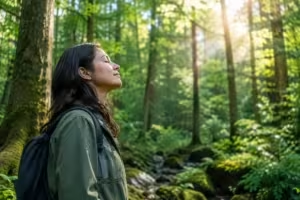
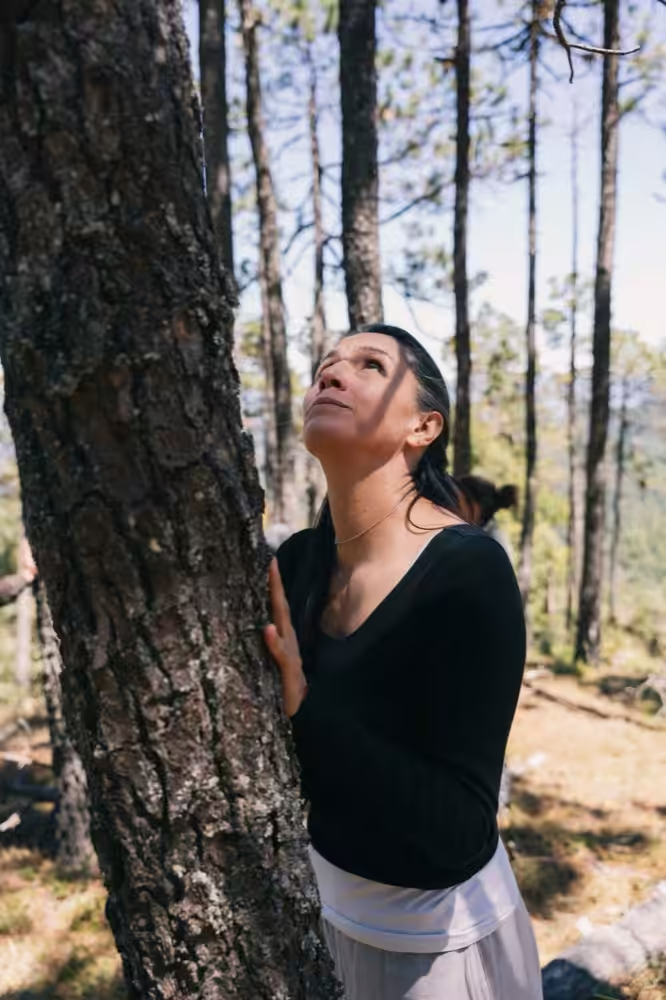
For nature-based mindfulness, practical education should also address the setting. Outdoor experiences require attention to weather, accessibility, route planning, local regulations, risk awareness, and respect for the land. A guided forest bathing session is not a hike with a meditation added at the end. It is a deliberate invitation to slow down, engage the senses, and form a reciprocal relationship with the more-than-human world.
That distinction can be deeply valuable for people whose work keeps them indoors, online, and constantly available. Nature offers a setting where mindfulness becomes less about performing calm and more about noticing what is already here: texture underfoot, shifting light, birdsong, breath, and the pace of the body.
Compare the Curriculum Before You Compare the Price
Price matters, particularly when certification is part of a career transition. Yet the least expensive course is not always the most economical choice if it leaves gaps you later need to fill through additional training. Similarly, the highest-priced program is not automatically the best fit if its focus does not match your goals.
Read the curriculum with your future use in mind. A personal learner may value guided practices, reflective exercises, and a gentle path toward consistency. A coach or instructor may need facilitation skills, session design, ethics, client communication, and a clear scope of practice. A retreat leader may need all of those elements alongside knowledge of place-based and group experiences.
Strong curricula usually balance four areas:
- Foundational mindfulness theory and regular personal practice
- Science-informed education on stress, attention, and well-being
- Facilitation methods for individuals or groups
- Ethical, practical, and environmental responsibility
If a program focuses only on information, you may understand mindfulness without embodying it. If it focuses only on personal experience, you may feel inspired without knowing how to guide others responsibly. The most enduring training makes room for both.
Consider the form of assessment
Assessment can feel intimidating, but it is often a sign that a platform takes learning seriously. Depending on the program, this may include quizzes, written reflections, practice logs, lesson completion, or an evaluated facilitation plan.
The right level of assessment depends on your aim. For personal development, gentle reflection may be enough. For professional practice, a more structured demonstration of understanding is useful. It asks you to translate concepts into decisions you will make when real people place their trust in your guidance.
Also consider whether you retain access to learning materials after certification. Mindfulness is not a subject you finish in a weekend. Returning to exercises, research explanations, and session frameworks can support your growth long after the certificate is issued.
The Value of Nature-Based Mindfulness Training
Not every mindfulness certification needs to take place outdoors. Breathwork, seated meditation, and mindful movement can all be meaningful paths. Yet people drawn to nature often find that a forest, park, shoreline, or garden makes awareness more accessible. The natural world offers sensory detail without requiring another screen, another metric, or another task to complete.
Forest bathing, also known as Shinrin-Yoku, is a particularly thoughtful approach for those who want to guide this kind of experience. It is not about covering distance or identifying every plant. It is about slowing down enough to receive the atmosphere of the forest through the senses, with invitations that support presence rather than achievement.
For wellness professionals, this creates a distinctive service that can complement existing offerings. A yoga teacher might lead an outdoor sensory practice before a restorative class. A coach might incorporate nature-based reflection into a client experience. An outdoor educator might bring more emotional awareness and contemplative pacing to their work.
Treeming.org offers accredited, self-paced Forest Bathing Guide Certification for learners who want this blend of science-backed mindfulness education, practical facilitation, and environmental stewardship. For values-led professionals, the connection between personal well-being and reforestation can be as meaningful as the credential itself.
Questions to Ask Before You Enroll
A clear decision often begins with a few honest questions. What kind of practice do you want to deepen? Do you intend to guide others, and if so, in what setting? How much instructor support and structure help you learn well? Does the credential align with the standards your clients or professional community expect?
Then consider the program’s language. Be cautious of platforms that promise rapid transformation, universal outcomes, or clinical results without appropriate qualifications. Mindfulness can support well-being, but it is not a shortcut around grief, burnout, trauma, or medical care. Ethical education makes room for the complexity of human experience.
Finally, ask whether the course reflects your values. If you are seeking calm while contributing to a healthier relationship with the planet, a nature-based program with a genuine stewardship commitment may feel more aligned than a generic certification. Your training becomes part of the kind of work you want to bring into the world.
Choose a platform that invites you to practice slowly, learn deeply, and guide with humility. The most meaningful credential is not simply proof that you completed a course. It is preparation to create moments where people can pause, breathe, and remember that they belong to something larger than their next task.