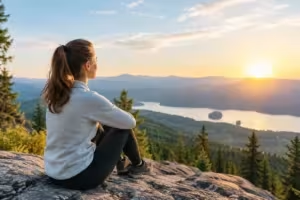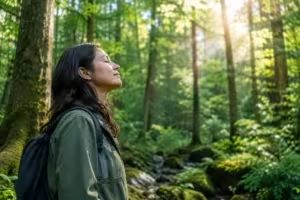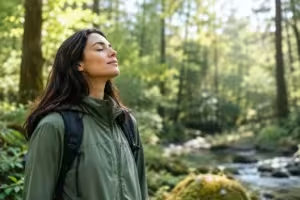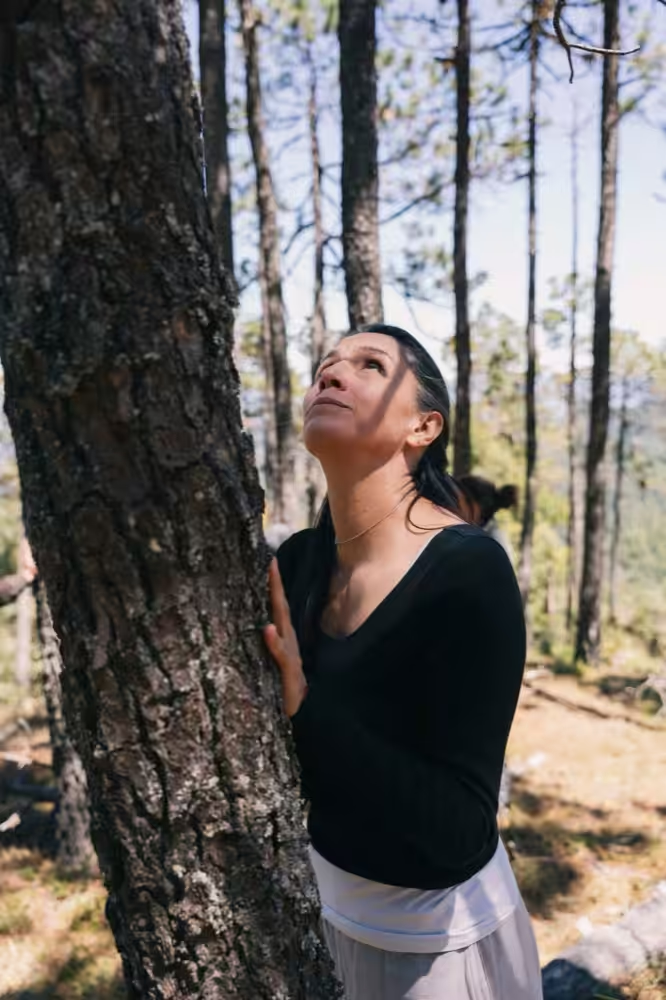
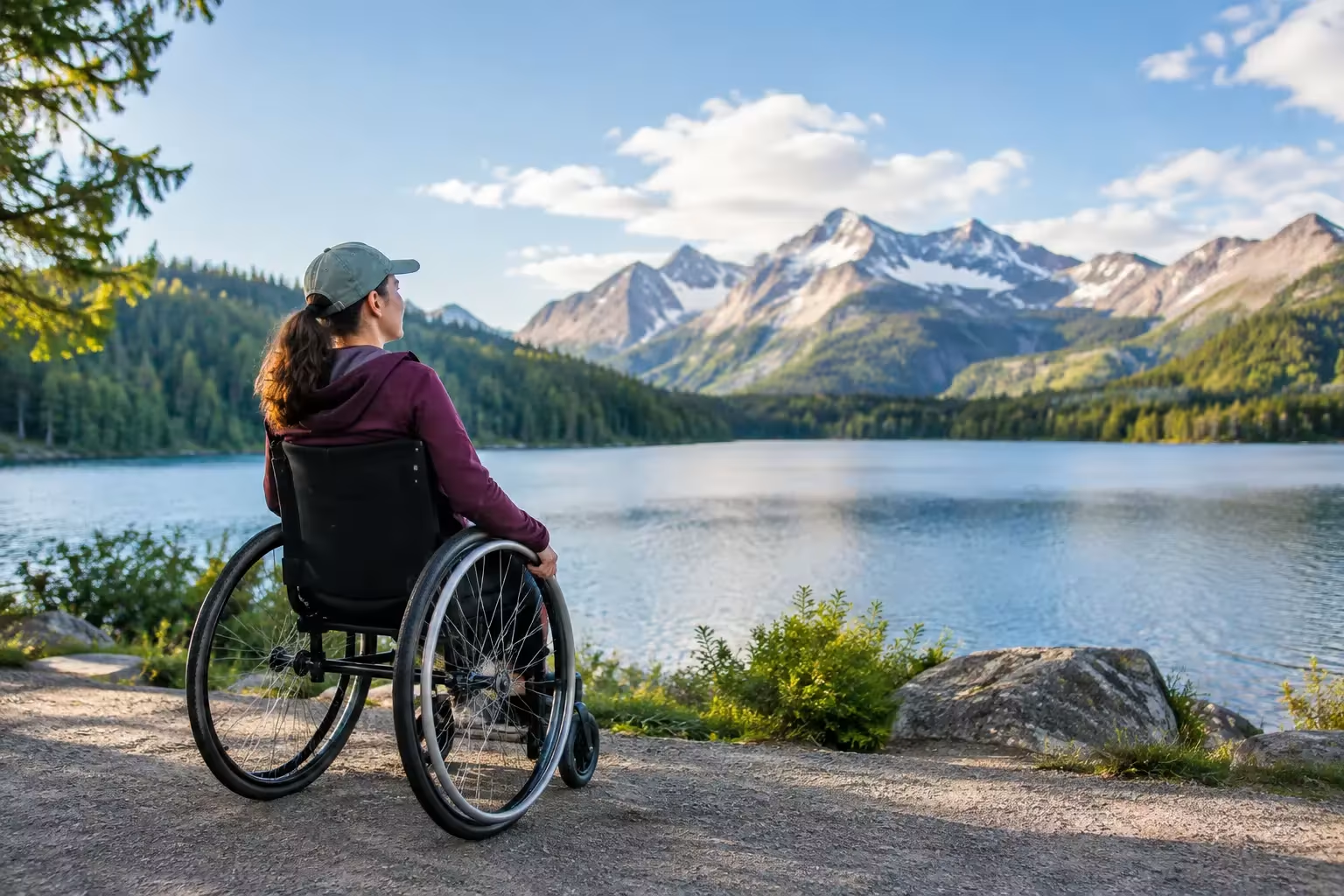
A quiet moment beside an open window can be nature immersion. So can noticing rain against a covered porch, tending herbs on a balcony, or resting beneath a tree in a neighborhood park. A guide to accessible nature immersion begins with that truth: meaningful contact with nature is not reserved for people who can hike steep trails, travel far from home, or spend hours outdoors.
For many people, access is shaped by mobility, chronic illness, sensory needs, caregiving responsibilities, transportation, finances, weather, and personal safety. An inclusive nature practice honors those realities rather than treating them as obstacles to overcome. Forest bathing, inspired by the Japanese practice of Shinrin-Yoku, offers a helpful framework because it prioritizes presence over performance. There is no summit to reach and no distance to prove.
What Accessible Nature Immersion Really Means
Accessible nature immersion is the intentional experience of connecting with the natural world in ways that work for your body, nervous system, environment, and season of life. It may happen in a forest, but it does not have to. The restorative element is not earned through exertion. It grows from attentive, sensory contact with living systems.
Research on nature exposure suggests that time spent with natural environments can support stress reduction, attention restoration, and emotional well-being. The setting and duration matter, but so does your ability to feel safe and at ease. A beautiful trail is not restorative if it requires you to push through pain, uncertainty, overstimulation, or fear of being stranded.
This perspective is especially valuable for wellness professionals. When a guided nature session is designed around only one type of participant, it narrows who can receive its benefits. When it is designed with choice, pacing, and multiple forms of participation, more people have room to find calm.
Access is more than a paved path
Physical access matters, including stable surfaces, seating, nearby restrooms, clear parking information, and routes that accommodate wheelchairs or mobility aids. Yet accessibility also includes the conditions that help someone feel welcome and able to participate.
A participant may need a shorter session, a predictable itinerary, fewer social demands, a scent-free gathering, captions for virtual instruction, or permission to remain near a vehicle. Someone else may need to bring a support person, service animal, water, medication, or a folding chair. These are not exceptions to a “real” nature experience. They are part of a thoughtfully held practice.
Begin With the Smallest Available Nature
The most sustainable practice is usually the one you can return to. Instead of waiting for the perfect weekend or ideal location, identify the nearest place where your senses can meet nature without creating unnecessary strain.
A courtyard, community garden, backyard, street tree, houseplant collection, accessible botanical garden, or view of changing clouds can become a reliable anchor. If leaving home is difficult, place a chair near natural light, open a window when conditions allow, or listen for birds at the same time each day. Repetition helps the mind recognize this as a pause, not another task to complete.
Choose one sensory invitation for five to ten minutes. You might notice the temperature of the air on your hands, follow the movement of leaves, listen for the farthest sound you can hear, or observe one color appearing in several places. There is no need to identify every species or interpret what you feel. Simple attention is enough.
If you are using sound recordings, plants, natural materials, or views from indoors because outdoor access is limited, approach them with the same intention. Direct outdoor contact can offer distinct benefits, but an indoor practice is not a lesser practice. It can be an essential bridge during illness, extreme weather, recovery, or periods of limited mobility.
Plan for Comfort, Not Endurance
Many people have learned to measure outdoor time by mileage, elevation, or discomfort tolerated. Forest bathing invites a different measure: Did this experience leave you more settled, connected, or clear than when you began?
Before going out, consider the practical details that protect your capacity. Check the route surface, shade, seating, restroom availability, cell service, and expected weather. Bring layers, water, nourishment, mobility supports, sun protection, and anything else that allows you to relax. A shorter visit with the right supports is often more nourishing than an ambitious plan that creates fatigue.
It also helps to create an easy exit plan. Know where you can rest, return to your vehicle, call for assistance, or shift indoors if needed. This is not pessimism. Predictability can help the nervous system settle enough to notice the world around it.
For people managing sensory sensitivity, choose quieter times of day and lower-traffic locations. Ear protection, sunglasses, a hat, or a familiar object can make an outdoor practice more comfortable. For others, the sounds, textures, and variety of nature are regulating. The right approach depends on the person, which is why invitations work better than expectations.
A Gentle Practice for Any Setting
Try this simple sequence in a place that feels manageable. Begin by arriving without rushing. Let your gaze soften and notice where your body is supported: feet on the ground, back against a bench, hands resting in your lap, or wheels steady on a path.
Then widen your attention. Notice three things you can see, two things you can hear, and one sensation on your skin. Stay with whatever is present, whether it is birdsong, wind, warmth, the scent of soil, or the pattern of light on a wall.
After a few minutes, ask a quiet question: “What is nature doing here?” Look for movement, growth, adaptation, decay, or interdependence. A dandelion pushing through pavement and a mature oak can both be teachers of attention. Close by naming one detail you want to carry with you into the rest of your day.
This practice can take three minutes or thirty. The goal is not to empty the mind. It is to return, gently, to a reciprocal relationship with the living world.
How Guides Can Create More Inclusive Sessions
For trained and aspiring forest bathing guides, accessibility begins before the group arrives. Share clear, specific information about terrain, distance, elevation, weather exposure, seating, restroom access, parking, and the pace of the experience. Vague descriptions such as “easy walk” can mean very different things to different people.
Offer choices from the start. Participants may walk, roll, stand, sit, observe from one spot, or take a quiet break. Build pauses into the session and make them normal for everyone, not a special accommodation requested in public. Whenever possible, select a location with an accessible primary route and an alternate option if conditions change.
Language matters as much as logistics. Rather than saying, “We will all walk to the next station,” try, “We will make our way to the next invitation at a pace that supports you.” Rather than requiring touch, scent, or closed eyes, offer alternatives: look, listen, feel, imagine, or simply rest. Choice preserves autonomy and respects the many ways people process experience.
Professional training can help guides develop this level of care with confidence. Treeming’s accredited Forest Bathing Guide Certification centers a structured, science-informed approach to facilitating meaningful nature connection while supporting the growth of a responsible wellness practice.
Accessibility also means recognizing professional boundaries. A forest bathing session can support relaxation and connection, but it is not a substitute for medical care or mental health treatment. Ask participants to honor their needs, avoid promising clinical outcomes, and be prepared to refer someone to appropriate support when necessary.
Let Nature Meet You Where You Are
There will be days when a forest trail feels possible and days when the nearest natural connection is sunlight on your floor. Both can belong to a nourishing practice. What matters is not how far you go, but whether you make room to receive what is already present.
Start with one accessible moment this week. Sit near a living thing. Notice it without needing to improve it, document it, or turn it into a goal. In that small act of attention, nature becomes less of a destination and more of a relationship you can return to.