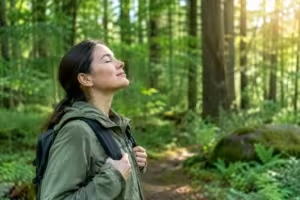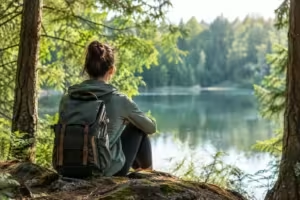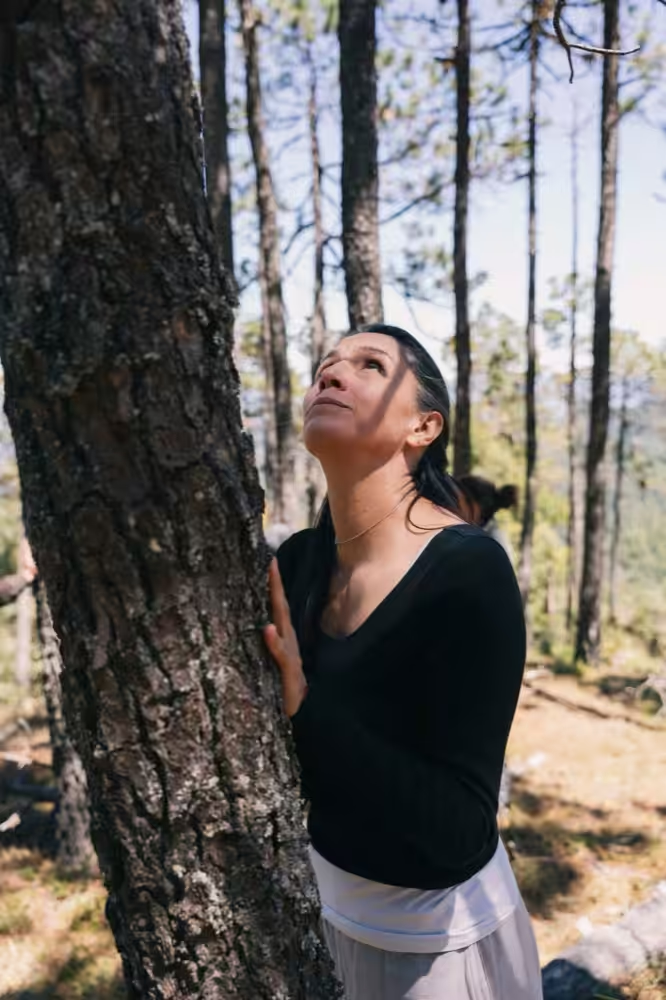

A credential is not the finish line for most forest bathing graduates. It is the point where a quieter, more intentional relationship with nature begins to shape daily life and professional direction. The most meaningful certification graduate stories are rarely about adding letters after a name. They are about someone learning to slow down, trust a structured practice, and create restorative experiences for others.
Forest bathing training attracts people at different crossroads: a wellness professional looking for a grounded new offering, a burned-out employee seeking a more sustainable rhythm, or an outdoor educator who wants to facilitate nature connection with greater care. Their paths differ, but the change often starts with the same realization: being outside is not the same as being present outside.
What certification graduate stories have in common
Forest bathing is often misunderstood as simply taking a walk in the woods. Movement may be part of the experience, but the practice centers on sensory attention, spaciousness, and a receptive relationship with the natural world. Professional training gives this experience a framework. It teaches graduates how to understand the research, hold a group with confidence, build a sequence of invitations, and respect both people and place.
That structure matters. A person may already love nature and have a natural gift for helping others feel at ease. Yet leading a meaningful session calls for more than enthusiasm. Guides need to consider pacing, accessibility, group dynamics, environmental conditions, boundaries, and the difference between offering wellness education and making medical claims.
The stories that emerge after training therefore tend to include two kinds of growth. The first is personal: participants become more attentive to their own stress signals, habits, and need for restoration. The second is professional: they gain language and practical methods to share nature-based wellness responsibly.
From personal practice to a steadier life
For many adult learners, training begins as a personal investment. They may be balancing demanding work, caregiving, constant digital input, or a general sense of disconnection. They do not necessarily arrive with a plan to start a business. They arrive because a more deliberate relationship with nature feels necessary.
A structured course can change how someone uses even a familiar local park. Rather than trying to cover miles, check fitness metrics, or photograph every view, they learn to pause. They may notice the temperature shift under a canopy, the pattern of bark under their fingertips, or the way sound changes after they stop speaking. These small observations can become a repeatable practice for settling the nervous system and returning to the present.
The trade-off is that this way of being outdoors asks for time and attention. It does not promise that every session will feel peaceful. Rain, traffic noise, restlessness, grief, and distraction all come along sometimes. Graduates often learn that forest bathing is not about forcing calm. It is about making room to notice what is already there, with compassion and without pressure to perform a particular outcome.
A practice that travels beyond the forest
Not everyone has easy access to a remote woodland, and a meaningful practice does not require one. Graduates may work with city trees, a neighborhood greenway, a garden, or a quiet patch of shade. The principle is not perfection of location. It is mindful, sensory connection with the living world that is available.
This flexibility can be especially valuable for busy professionals. A 15-minute pause beneath a tree before a meeting will not replace a longer immersive session, but it can become a realistic ritual. Training helps learners distinguish between an idealized wellness routine and a practice they can actually sustain.
Building a credible wellness offering
For coaches, yoga teachers, meditation instructors, therapists, retreat leaders, and outdoor educators, certification can create a clear bridge between a personal passion and a professional service. Forest bathing may complement an existing practice by offering clients a different setting for reflection, rest, and connection.
The strongest graduate stories are not usually about abandoning an established career overnight. More often, a professional begins thoughtfully. They may offer a small guided session to a familiar community, add a nature-based experience to a retreat, or develop a seasonal program for their clients. As confidence grows, they refine their audience, pricing, location choices, and facilitation style.
Accredited training supports that process because it gives graduates a recognizable educational foundation. It also helps them communicate the difference between a carefully facilitated forest bathing experience and a casual group hike. For clients who value evidence-informed wellness, the ability to explain the practice with clarity can build trust.
Still, a credential is one part of professional readiness, not a substitute for sound judgment. A new guide must learn local regulations, obtain appropriate insurance where needed, assess trail and weather conditions, and work within their scope of practice. A therapist, for example, should not assume a forest bathing certification changes their clinical responsibilities. An instructor working with mobility-limited participants may need to adapt every aspect of a session, from terrain to duration.
The confidence to guide without over-directing
New facilitators sometimes worry that they need to fill every moment with insight. In practice, one of the most valuable skills is knowing when to step back. Carefully worded invitations can open attention without telling participants what they should feel. A period of silence can be more restorative than another explanation.
This is a meaningful shift for professionals accustomed to teaching, coaching, or presenting. Forest bathing invites the guide to create conditions for discovery rather than deliver a fixed result. Participants may leave feeling refreshed, reflective, emotional, energized, or simply more aware. The guide’s role is to support a safe and welcoming process, not manufacture transformation on demand.
Why science and mindfulness belong together
People seek forest bathing for many reasons, but curiosity often becomes commitment when experience is paired with credible education. Research into time in natural environments continues to inform conversations about stress, mood, attention, and well-being. A responsible training program helps graduates discuss this body of evidence accurately, without overstating what any one practice can guarantee.
That balance is especially important when working with clients who are managing significant stress or health concerns. Forest bathing can be a supportive wellness practice, but it is not a replacement for medical care, mental health treatment, or individualized clinical advice. Graduates who understand this distinction protect their participants and strengthen the integrity of their work.
At Treeming, this combination of nature-based mindfulness, science-backed learning, and accredited professional education reflects a larger view of wellness. The aim is not to turn every quiet moment outdoors into a product. It is to equip people to share a thoughtful practice with care, confidence, and respect for its limits.
A certification story can also include the land
There is another thread running through many graduates’ decisions: they want their learning to reflect their values. Nature-based wellness is inseparable from the health of natural places. If a practice draws people toward forests, it should also encourage stewardship rather than extraction.
That can look practical: following leave-no-trace principles, choosing routes that protect sensitive habitats, keeping groups appropriately sized, and teaching participants to observe without collecting or disturbing. It can also mean supporting reforestation and recognizing that access to safe green space is not equally distributed across communities.
For a guide, this environmental awareness is not an optional extra. It changes how a session is designed. A beautiful location is not merely a backdrop for an experience. It is a living community deserving of respect. Graduates who carry that understanding forward often find that their work feels more purposeful, because personal well-being and ecological care are no longer treated as separate goals.
Choosing your own next chapter
If you are considering forest bathing certification, begin with an honest question: what do you hope will change? You may want a calmer personal practice. You may be preparing to serve clients in a new way. You may want both. Each reason is valid, but the answer will shape what you need from training.
Look for education that offers more than inspirational language. A strong program should provide clear instruction, credible research context, practical facilitation tools, and a recognized credential. If your goal is professional practice, consider whether the course prepares you for real decisions in the field: working with groups, adapting to conditions, communicating scope, and creating experiences that are inclusive and environmentally responsible.
The most compelling graduate stories do not end with a certificate. They continue in the small choices that follow: taking a slower walk, offering a client a moment of quiet, gathering a community outdoors, or caring more deliberately for the places that restore us. Your next chapter may begin with a course, but it grows each time you choose to pay attention.