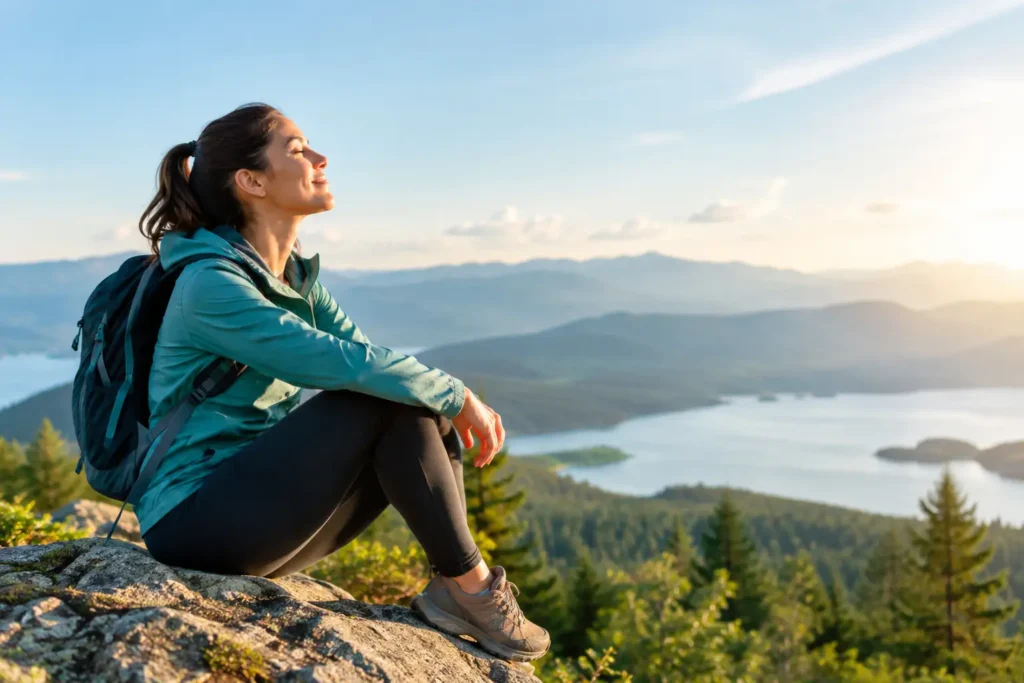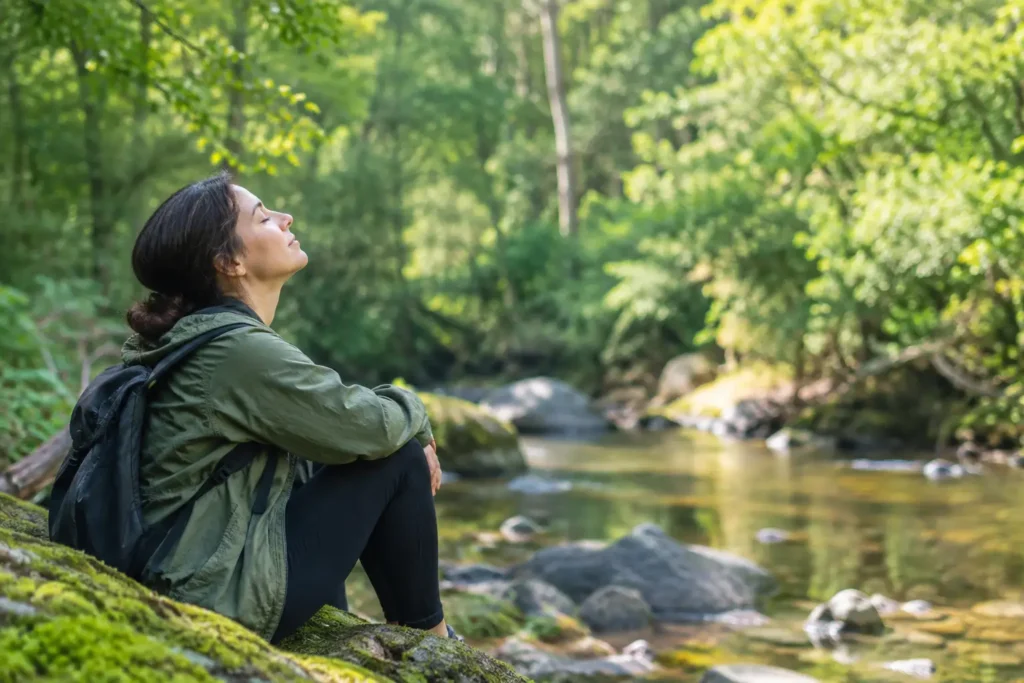

A quiet hour beneath a tree canopy can change the pace of a racing mind. It may soften muscle tension, widen your attention beyond a screen, and create room to breathe. Yet when people compare nature therapy versus psychotherapy, they are often asking a more personal question: Which kind of support do I need right now?
The answer is not usually one or the other. Nature-based practices, including forest bathing, can be a meaningful part of a wellness routine and may complement professional mental health care. Psychotherapy, meanwhile, offers clinical support for working through symptoms, patterns, relationships, and life experiences that need focused attention. Understanding the difference helps you choose care with clarity and self-compassion.
Nature Therapy Versus Psychotherapy: The Core Difference
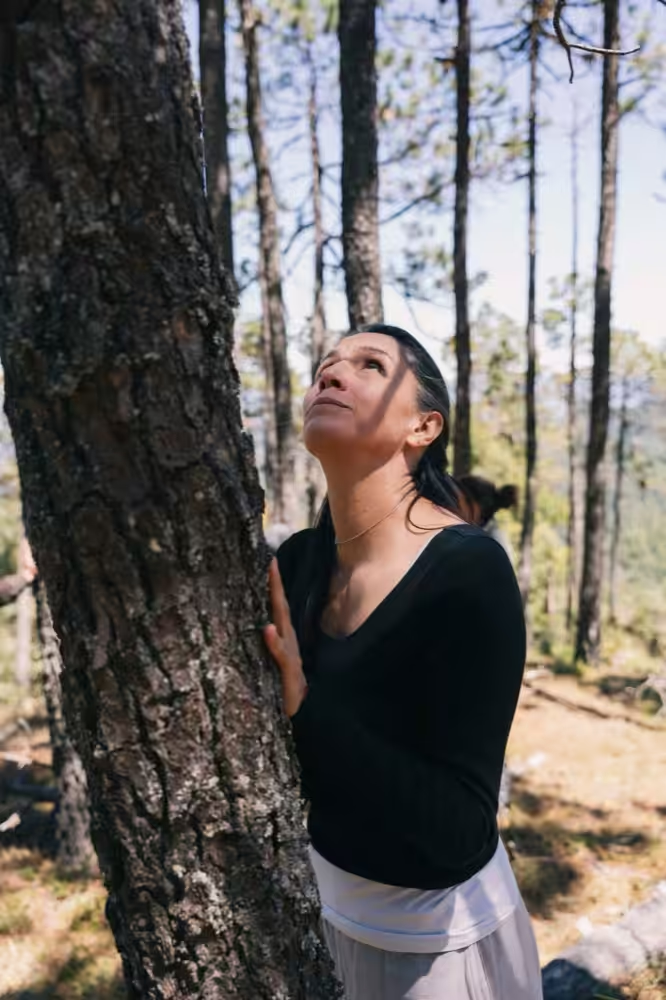
Nature therapy is an umbrella term for intentional practices that use time in natural settings to support well-being. Forest bathing, or Shinrin-Yoku, is one approach. It invites participants to slow down and engage the senses: noticing light through leaves, the texture of bark, the scent of rain, or the sound of birdsong. The purpose is not exercise, achievement, or wilderness expertise. It is mindful relationship with the living world.
Psychotherapy is a structured form of mental health treatment provided by a licensed mental health professional. A therapist may use approaches such as cognitive behavioral therapy, psychodynamic therapy, acceptance and commitment therapy, or trauma-informed methods. Sessions are designed to help clients understand and address emotional distress, mental health conditions, behavior patterns, and relational challenges.
Both may support stress reduction and greater self-awareness. Their roles, training standards, and scope are different. A forest bathing guide facilitates an experience in nature. A psychotherapist assesses, treats, and supports mental health concerns within a clinical and ethical framework.
What Nature-Based Practice Can Offer
Many adults know the feeling of being mentally crowded: messages waiting to be answered, competing responsibilities, and little unstructured space to recover. A mindful walk outdoors can interrupt that pattern. Research on nature exposure has associated time in green spaces with improvements in stress, mood, attention, and perceived well-being, though individual experiences and study conditions vary.
Forest bathing is especially accessible because it does not require a long hike or a remote forest. A neighborhood park, botanical garden, quiet trail, or tree-lined outdoor space can become a setting for intentional practice. Rather than moving quickly from point A to point B, participants are invited to move slowly, pause often, and let sensory awareness guide the experience.
For someone with everyday stress, creative fatigue, or a desire to rebuild a mindfulness habit, nature therapy can offer a grounded starting point. It can also bring a welcome sense of connection. When much of life happens through devices, the simple act of noticing seasonal change can restore perspective.
That said, nature therapy is not a cure-all. A peaceful environment does not automatically resolve grief, panic attacks, major depression, trauma, addiction, or persistent relationship conflict. It can create a supportive condition for reflection, but it does not replace diagnosis or clinical treatment.
What Psychotherapy Can Offer
Psychotherapy provides something that a self-guided walk in the woods cannot: an ongoing therapeutic relationship with a trained clinician. This relationship can give people a confidential space to explore difficult thoughts, memories, emotions, and behaviors with skilled support.
Therapy may be especially valuable when distress is persistent, interferes with work or relationships, or feels hard to manage alone. A psychotherapist can help a client identify triggers, practice coping strategies, process loss or trauma, improve communication, and develop a treatment plan suited to their needs. Depending on their license and specialization, therapists may also coordinate care with physicians or other providers.
The setting matters less than the clinical skill and fit. Some therapists work indoors, some offer walk-and-talk sessions outdoors, and some integrate mindfulness practices where appropriate. Even when therapy includes nature, it remains psychotherapy because it is guided by a licensed professional working within a clinical scope of practice.
When Forest Bathing May Be the Better First Step
If you are generally functioning well but feel overstimulated, disconnected, or worn down by routine stress, a consistent nature practice may be an excellent first step. It is often a gentle way to make space for restoration without turning self-care into another demanding task.
Forest bathing can be particularly supportive for people who find seated meditation difficult. Nature gives the attention something real and immediate to rest on: the breeze against the skin, a changing cloud pattern, the rhythm of footsteps on soil. There is no need to force an empty mind. The practice is simply an invitation to notice what is already here.
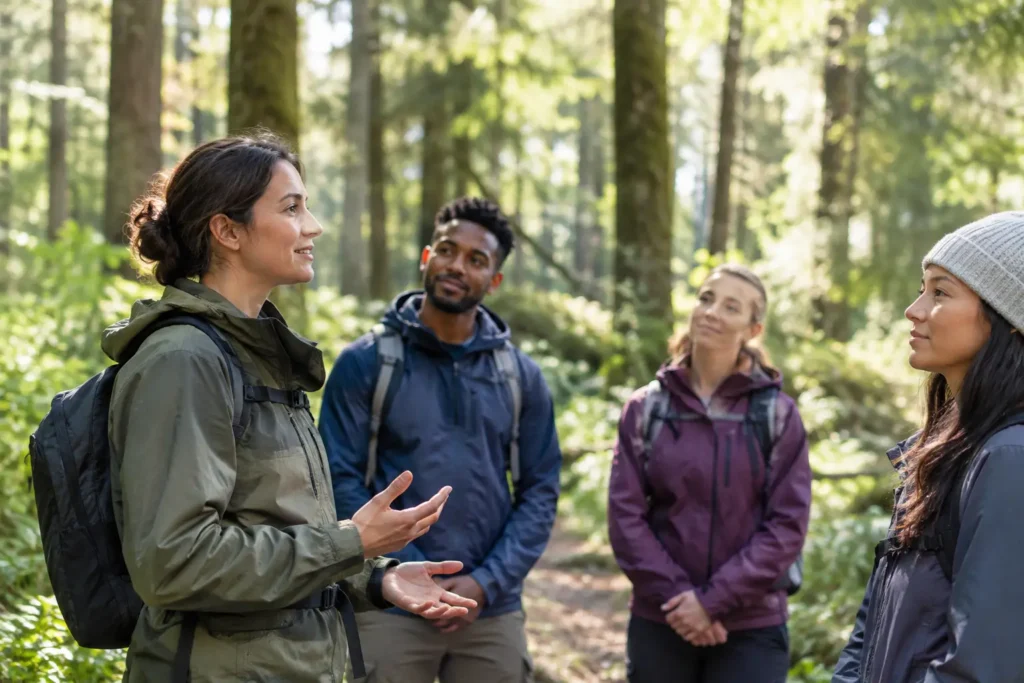
For wellness professionals, this is also where trained guidance can add value. A thoughtfully facilitated session creates psychological spaciousness, offers clear sensory invitations, and respects participants’ different comfort levels. It is not therapy, and it should never be marketed as clinical treatment. Its strength is in offering a safe, intentional wellness experience that helps people reconnect with their own capacity for presence.
When Psychotherapy Should Come First
Psychotherapy should take priority when mental health symptoms are severe, ongoing, or disruptive. Signs can include intense anxiety, frequent panic, prolonged hopelessness, inability to complete daily responsibilities, major changes in sleep or appetite, intrusive memories, harmful substance use, or thoughts of self-harm.
In these moments, spending time outdoors may still feel soothing, but it should be viewed as an additional support rather than the main intervention. A licensed mental health professional can offer assessment and treatment that a nature guide is not qualified to provide.
If you or someone else is in immediate danger or experiencing thoughts of suicide, contact emergency services or call or text 988 in the United States for the Suicide & Crisis Lifeline. Immediate safety deserves immediate support.
The Most Helpful Approach Is Often Both
The comparison between nature therapy versus psychotherapy becomes less rigid when we stop treating wellness and mental health care as competitors. Many people benefit from both: therapy for deeper clinical support and regular nature connection for the restorative rhythms of daily life.
For example, a person working with a therapist on anxiety may use a brief forest bathing practice between sessions to notice sensations without judgment. Someone processing burnout might bring greater awareness of their boundaries to therapy after experiencing what true rest feels like outdoors. Nature can become a practical place to rehearse presence, while psychotherapy can help make sense of what arises.
The key is honest expectations. Forest bathing can support calm, connection, and mindful attention. Psychotherapy can address mental health concerns through professional treatment. Neither needs to diminish the value of the other.
Choosing a Guide or Therapist With Care
Credentials and scope of practice matter. When seeking psychotherapy, look for a licensed professional whose experience aligns with your needs. Ask about their therapeutic approach, availability, fees, and familiarity with concerns such as anxiety, trauma, grief, or relationship issues.
When choosing a forest bathing guide, look for clear training, ethical boundaries, thoughtful risk planning, and an ability to create an inclusive experience. A qualified guide should be transparent that forest bathing is a wellness practice, not psychotherapy or medical care. Professional education also helps guides understand how to lead with presence, respect local environments, and refer participants to clinical resources when appropriate.
For practitioners who want to bring this work into their wellness offerings, accredited training can provide the structure and confidence to facilitate responsibly. Treeming.org’s Forest Bathing Guide Certification is designed for those who want science-informed, flexible online education while building a meaningful nature-based practice or service.
A forest does not ask you to solve every problem before you arrive. It simply offers a place to pause, notice, and return to your senses. Let that pause be supportive, and let it also guide you toward the level of care that truly meets you where you are.