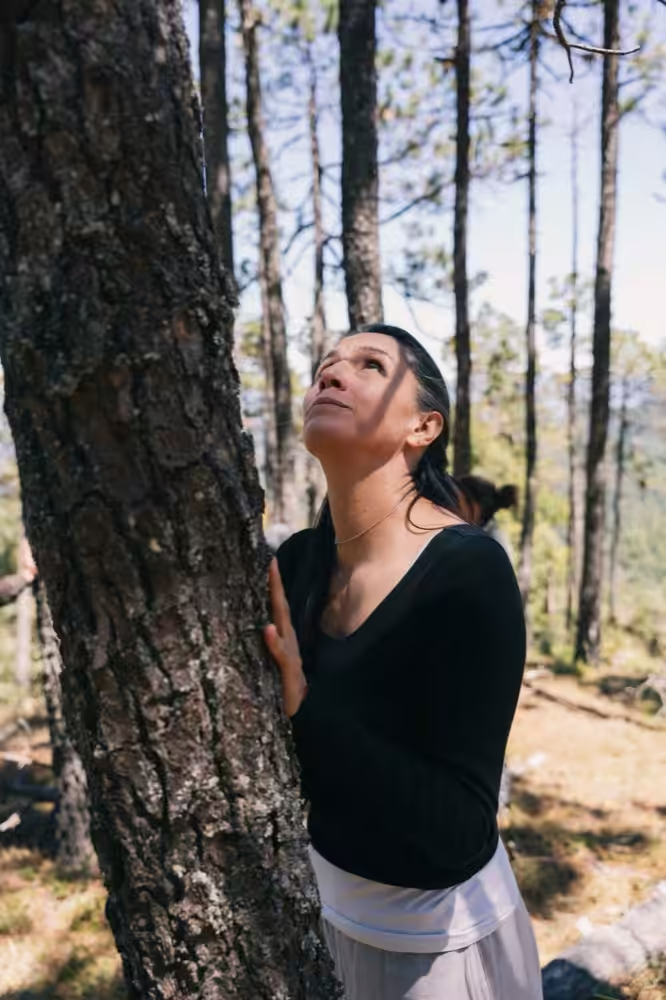
A new forest bathing guide often expects the hardest part to be learning the practice. In reality, many discover that how to find forest bathing clients is the more delicate skill. The work is powerful, but because it is still unfamiliar to many people, your first task is not persuasion. It is translation.
People rarely wake up searching for a guide because they want “forest bathing.” They search because they feel overstimulated, burned out, emotionally heavy, disconnected, or tired of wellness experiences that stay in the head and never settle into the body. When you understand that, client attraction becomes much clearer. You are not selling a trend. You are offering a structured, restorative experience with scientifically backed benefits.
How to find forest bathing clients starts with clear positioning
The fastest way to struggle is to describe your work in language only trained practitioners use. If your message leans too mystical, some people will tune out. If it sounds too clinical, others will miss the emotional value. The most effective positioning sits in the middle – grounded, calm, and credible.
Start by answering a simple question: who is your work for right now? Not eventually. Right now. A broad answer like “everyone who loves nature” usually leads to weak marketing because it lacks urgency. A stronger answer might be stressed professionals, women in burnout recovery, yoga students seeking deeper nervous system regulation, therapists looking for complementary experiences for clients, or retreat guests who want mindful outdoor immersion.
Specificity helps people recognize themselves. It also helps you choose language, imagery, pricing, and locations that feel aligned. A weekday morning offering for remote workers will look different from a weekend group for wellness-minded parents or a private session for executive burnout.
Lead with outcomes people already want
Forest bathing has depth, ritual, and subtlety, but your marketing should begin with what your audience already values. Talk about stress reduction, mental clarity, emotional reset, better focus, mindful presence, and the calming effect of guided time in nature. These are recognizable needs. Once people are interested, you can introduce the practice itself.
This matters because many potential clients do not need a full education before booking. They need enough clarity to feel safe saying yes.
Build trust before you try to sell
Forest bathing is personal. Clients are not just buying an hour outdoors. They are trusting you to hold space, guide attention, and create a meaningful experience. That trust grows when your presence feels professional, steady, and well-trained.
Your credentials matter here. If you hold an accredited certification, say so plainly. For a field that is growing quickly, recognized training helps reduce hesitation. It tells potential clients that your sessions are not improvised wellness walks. They are informed by method, ethics, and a deeper understanding of the practice.
Trust also comes from the way you describe your sessions. Be concrete. Explain what people can expect, how long a session lasts, whether the pace is gentle, what they should wear, and whether silence is included. The more grounded your explanation, the less room there is for uncertainty.
Use educational content as your first invitation
Because forest bathing is still emerging in the US wellness market, education is one of your strongest client acquisition tools. Short videos, emails, social posts, and event descriptions can all do this well if they answer practical questions.
You might explain what forest bathing is not. It is not a hike, a fitness challenge, or a lecture on trees. You might describe the science in accessible language, focusing on the nervous system, stress markers, and mental restoration. You might share how people tend to feel after a session – calmer, clearer, more present, and more connected.
This kind of content works because it lowers resistance. Instead of asking people to commit to something unfamiliar, you help them understand why it may support what they are already seeking.
Your first clients are often closer than you think
Many new guides assume they need a large audience before they can begin. In practice, early client growth usually comes from warm communities, not mass visibility.
Think about where trust already exists around your name. That may include current wellness clients, yoga communities, meditation circles, therapy-adjacent networks, local parents’ groups, coworking communities, faith-based wellness groups, outdoor education circles, or sustainability-minded organizations. If people already know your energy and professionalism, they are more likely to try a new offer from you.
This is especially true if forest bathing complements work you already do. A coach can offer it as a nervous system support experience. A yoga teacher can position it as a mindful outdoor extension of practice. A retreat leader can include it as a restorative session. A therapist cannot treat through it in the same way, depending on licensure and scope, but may still integrate it thoughtfully as part of a broader wellness offering if appropriate.
It depends on your background, but the principle is the same. Client acquisition gets easier when forest bathing is connected to an existing trust bridge.
Make the first yes easy
If someone has never experienced forest bathing, a high-friction offer can slow momentum. Private premium sessions have a place, but they are often easier to sell after someone has had a first taste of the work.
That is why introductory experiences matter. A short community session, a themed seasonal walk, or a small-group event can lower the barrier to entry. The goal is not to undervalue your work. The goal is to let people feel the difference for themselves.
Once they experience the pace, the invitations, and the after-effect in their own body, many no longer need convincing. They either want to return, bring a friend, or ask about private work.
Name your sessions in client-centered language
The title of your offering can affect response more than many guides realize. “Forest Bathing Session” may appeal to people already familiar with the practice, but a title like “Nature Reset for Stress Relief” or “Guided Forest Bathing for Burnout Recovery” gives context immediately.
There is a balance here. You do not want to hide the modality completely, but you do want to frame it in a way that meets real search behavior and real emotional needs.
Partnerships can bring better clients than social media alone
Social media can help people discover you, but partnerships often bring more qualified leads. That is because referrals from trusted professionals come with built-in credibility.
Consider where your work naturally fits. Wellness studios, yoga teachers, mindfulness educators, coaches, retreat hosts, boutique hotels, HR teams, community health organizations, and therapists may all have audiences who are actively looking for restoration. The strongest partnerships are not random outreach. They are aligned collaborations where the benefit is clear for both sides.
A yoga studio may appreciate a seasonal outdoor event for its community. A retreat host may want a certified guide who can add a restorative offering to a weekend program. A workplace wellness organizer may need a stress-reduction experience that feels both calming and professionally credible.
When you approach potential partners, keep your message simple. Explain who the experience helps, what outcomes it supports, and how the format works. Do not send a poetic essay. Send clarity.
Visibility matters, but consistency matters more
If you are wondering how to find forest bathing clients sustainably, the answer is often less about one brilliant marketing campaign and more about repeated, calm visibility. People usually need to encounter a new wellness service several times before booking.
That means your message should be consistent across every touchpoint. Your bio, session description, social presence, and event invitations should all answer the same core questions: what this is, who it is for, and why it helps.
You do not need to post every day. You do need to show up regularly enough that people remember you. A steady rhythm of educational content, invitations to upcoming sessions, reflections from your own practice, and thoughtful testimonials can do more than sporadic bursts of promotion.
Testimonials help people imagine themselves there
Social proof is especially useful for an emerging modality. A short, specific testimonial can reassure someone who is curious but uncertain. The strongest ones describe a before and after. For example, a client who arrived stressed and left feeling grounded, spacious, and mentally clear gives future clients something tangible to relate to.
If you are early in your practice, offer a few pilot sessions in exchange for honest feedback. This is not about collecting praise. It is about learning what people actually experience and which words they use to describe the value.
Refine your offer based on real response
Not every audience will respond in the same way. Some communities are drawn to the science and nervous system benefits. Others respond more deeply to the promise of presence, reflection, and reconnection with nature. Neither is wrong.
Pay attention to what creates real engagement. If people keep asking whether the session is strenuous, clarify accessibility. If they love group experiences but hesitate at private pricing, adjust your offer ladder. If professionals are most interested in corporate or retreat settings, build a more formal version of your service.
This is where a credible training foundation can quietly support your growth. The more clearly you understand the practice, the easier it is to adapt your messaging without diluting the integrity of the work. Organizations like Treeming.org have helped raise the standard of online forest bathing education by pairing accredited training with a science-backed framework, and that kind of grounding shows in how guides communicate.
Finding clients for forest bathing is not about pushing harder. It is about helping the right people recognize that what they need may already be waiting for them under the trees, with the guidance to truly receive it.