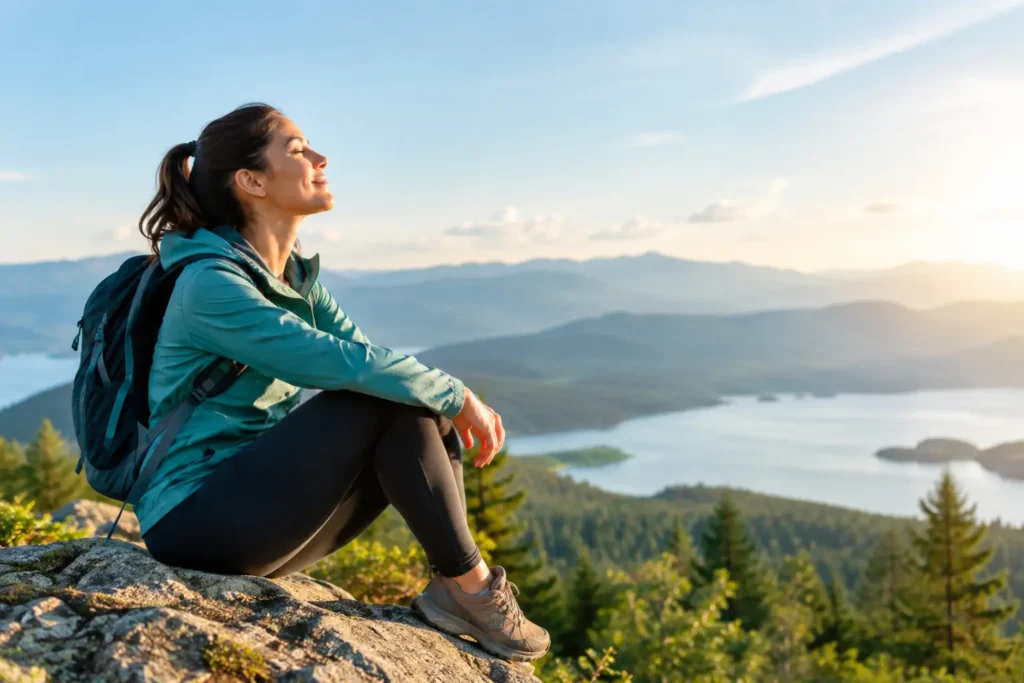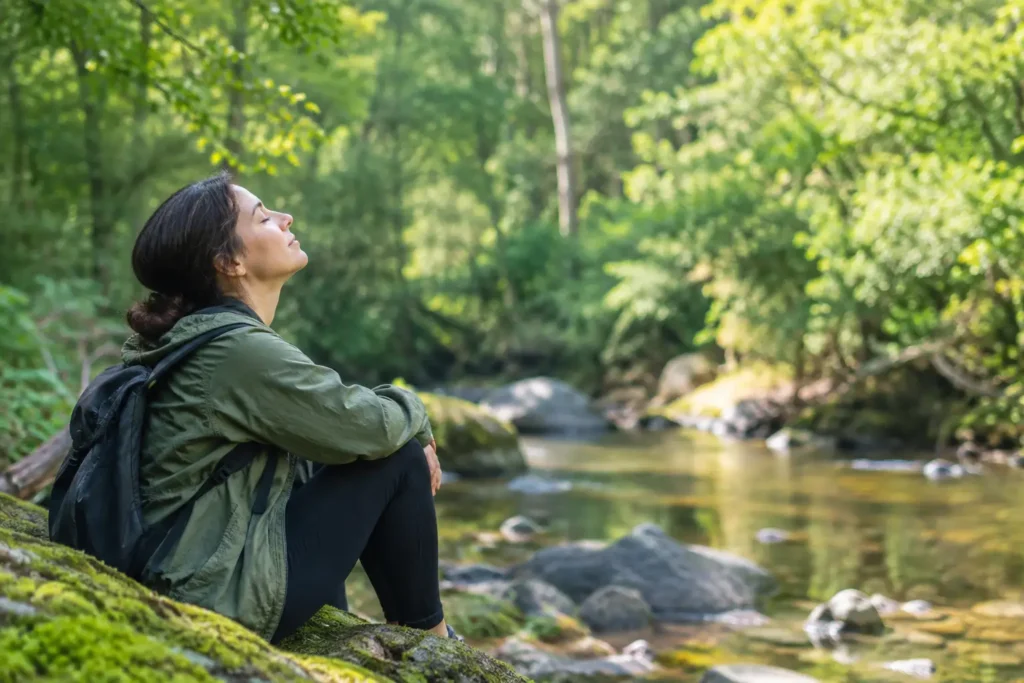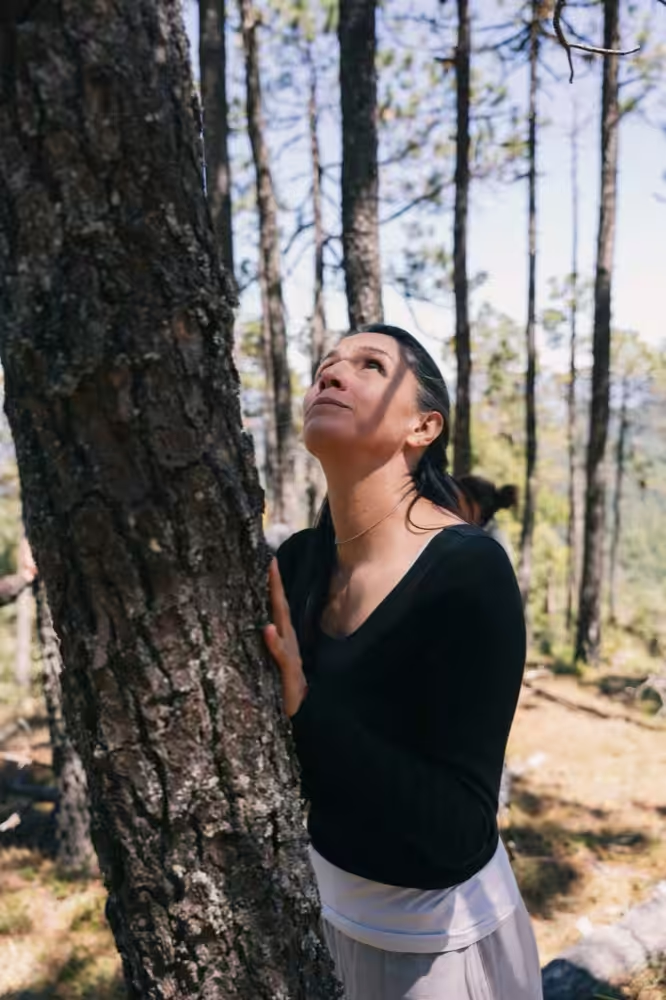

A yoga class can settle the nervous system in 60 minutes. A quiet walk among trees can do something similar, but through different channels – sensory awareness, spacious attention, and direct contact with the living world. That is why forest bathing training for yoga teachers is gaining real traction. It offers a way to expand your teaching beyond the mat while staying aligned with what many students are already seeking: less stress, more presence, and practices that feel both grounded and restorative.
For yoga teachers, the appeal is not just aesthetic. It is practical. Students want experiences that support emotional regulation, mental clarity, and embodied calm in ways that fit modern life. Forest bathing gives you another modality to meet that need, and when the training is well designed, it also gives you a credible framework for teaching it safely and professionally.
Why forest bathing fits naturally with yoga
Yoga and forest bathing share a common center of gravity. Both invite attention away from constant output and back toward direct experience. Both can support parasympathetic activation, help reduce overwhelm, and cultivate a more sustainable relationship with body and mind. Neither depends on performance.
Still, they are not the same practice, and that distinction matters. Yoga often works through posture, breath, philosophy, and inward awareness. Forest bathing works through sensory invitations, slow movement, relational awareness, and the health effects of time in nature. A strong training helps yoga teachers understand where the overlap is and where the boundaries are.
That clarity is useful for your students. It also protects the integrity of your work. If you simply relabel a mindful nature walk as forest bathing, students may enjoy it, but you miss the depth of the method. Forest bathing has a body of research behind it, a specific facilitation style, and a pace that differs from the structure of most yoga classes.
What yoga teachers should look for in forest bathing training
Not all programs are built for professionals who plan to teach. Some are inspiring for personal growth but light on methodology. Others offer a certificate without enough substance behind it. If you want to use this work in a professional setting, training quality matters.
The first thing to look for is scientific grounding. Yoga students are often open to subtle and reflective practices, but many also want clear language around outcomes. A training that explains the research on stress reduction, mental well-being, and the restorative effects of nature gives you more confidence when describing what you offer.
The second is accreditation or recognized professional standards. This is especially important if you want to add forest bathing to your existing wellness business, list it on a professional bio, or position it as a paid service. A globally recognized, accredited training carries more weight than a casual workshop, particularly when clients are comparing teachers.
The third is facilitation skill. Forest bathing is not about delivering constant information or leading a hike. It is about creating a carefully held experience. That means learning how to guide invitations, manage group pacing, read the energy of a session, and support reflection without over-directing it.
The fourth is flexibility. Many yoga teachers are already balancing classes, private clients, continuing education, and sometimes a second career. A self-paced online format can make professional development realistic where fixed schedules do not.
Forest bathing training for yoga teachers in real-world practice
The most effective use of forest bathing in a yoga career depends on your teaching style, audience, and setting. For some teachers, it becomes a standalone offering. For others, it enriches retreats, workshops, seasonal events, or private client work.
A teacher who primarily leads vinyasa classes in a studio may use forest bathing to create occasional outdoor experiences that balance more active practices with deep restoration. A retreat leader may weave forest bathing into the quieter arc of a weekend, allowing students to integrate asana, meditation, rest, and nature connection. A trauma-informed teacher may find that forest bathing offers a gentle option for clients who benefit from choice, sensory grounding, and less performance pressure.
There is also a business case for it. Wellness clients increasingly look for experiences that feel meaningful, not mass-produced. A guided forest bathing session can help you diversify your offerings without abandoning your foundation in yoga. It can also help distinguish your work in a crowded market where many teachers offer similar formats.
That said, it is not a fit for every audience in every season. Urban students may have limited access to natural spaces. Some clients want movement, heat, and intensity, not slowness and stillness. Weather, accessibility, and local environment all shape what is feasible. Good training does not ignore those realities. It teaches you how to adapt without diluting the essence of the practice.
What you actually learn in a quality program
A credible forest bathing training for yoga teachers should leave you with more than inspiration. It should give you a method you can explain, embody, and facilitate.
That usually begins with foundations – what forest bathing is, where it comes from, how it differs from hiking or outdoor fitness, and why it is relevant in contemporary wellness care. From there, the training should move into the science of nature-based well-being, including how time in natural settings can support stress recovery, mood, and attention.
You should also learn session design. This includes how to choose a location, plan a route, create sensory invitations, open and close a session, and hold a pace that supports reflection rather than urgency. For yoga teachers, this is often where the biggest shift happens. You already know how to guide experience. Forest bathing asks you to guide with even more spaciousness and less instruction.
Ethics and safety matter too. Outdoor facilitation brings practical responsibilities around boundaries, weather, terrain, access needs, and group care. A strong program addresses these clearly rather than assuming calm environments eliminate risk.
Some trainings also help you think about professional application – how to position your offering, who it serves best, and how to communicate its benefits without making inflated claims. That is especially helpful for teachers who want to integrate the work into a paid practice with integrity.
How online training compares with in-person study
Some yoga teachers hesitate when they see an online certification. That concern is understandable. Forest bathing is experiential, and nature-based practices can seem like they require face-to-face learning.
But online training can be a very strong format when it is thoughtfully built. Self-paced study allows you to absorb the science, facilitation principles, and structure on your own schedule. More importantly, it gives you time to practice outdoors in your own environment rather than only in a single training location. That can actually make your learning more transferable.
In-person study may offer immediate group immersion and live feedback. Online learning often offers depth, flexibility, and repeated access to materials. The better option depends on your life, learning style, and goals. For many working teachers, a 100 percent online program is the difference between wanting training and actually completing it.
If the program is accredited, professionally structured, and led with clear educational standards, the format is less important than the quality of the curriculum.
Choosing training that supports both credibility and purpose
Yoga teachers often care deeply about the spirit behind what they teach. Credentials matter, but so does alignment. The best training providers understand that wellness education is not only about technique. It is also about responsibility – to students, to the field, and to the natural world itself.
That is one reason programs with a stewardship model can feel especially resonant. If your training contributes to reforestation or environmental restoration, your education is connected to a wider purpose. For many teachers, that is not a marketing detail. It is part of why this work matters.
A provider such as Treeming.org reflects this more complete model by pairing accredited, science-backed training with accessible online learning and a tangible environmental commitment. For yoga teachers who want both credibility and meaning, that combination can be compelling.
Is forest bathing worth adding to your yoga path?
If your teaching is rooted in nervous system support, mindfulness, and whole-person well-being, forest bathing can be a natural next step. It gives you another way to guide students toward calm, presence, and connection without forcing more effort into already overloaded lives.
It also asks something of you. To facilitate well, you need training that is more than beautiful branding. You need method, evidence, ethical guidance, and a credential that reflects real study. When those pieces are in place, forest bathing is not just an add-on. It becomes a valuable extension of your teaching identity.
Sometimes the most powerful professional growth does not come from learning how to do more. It comes from learning how to guide people back into enoughness – enough breath, enough stillness, enough contact with the earth beneath their feet.