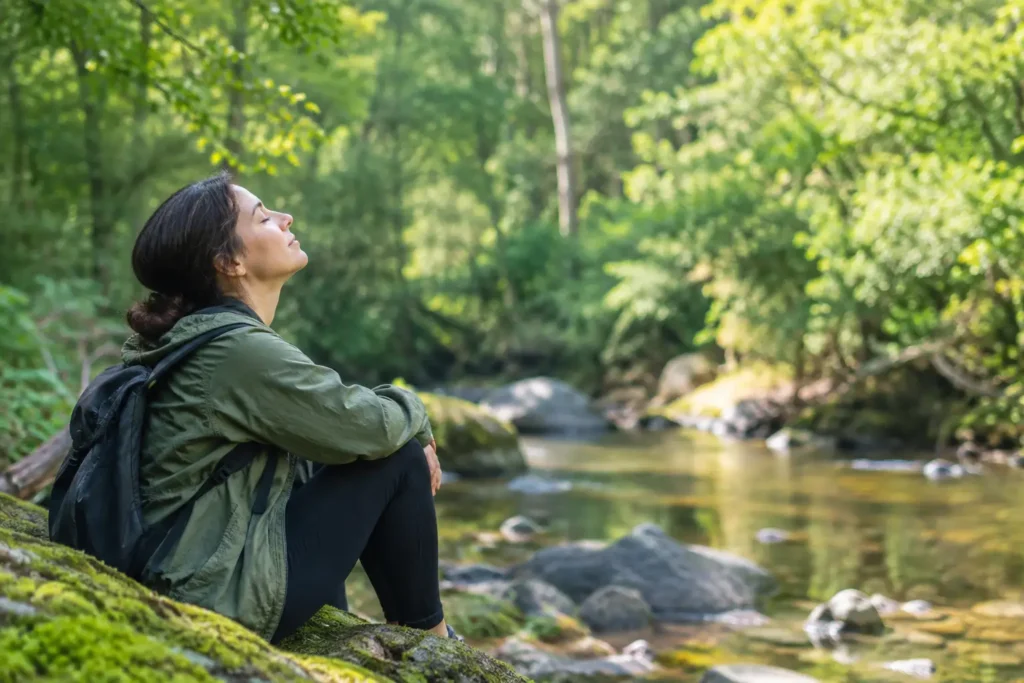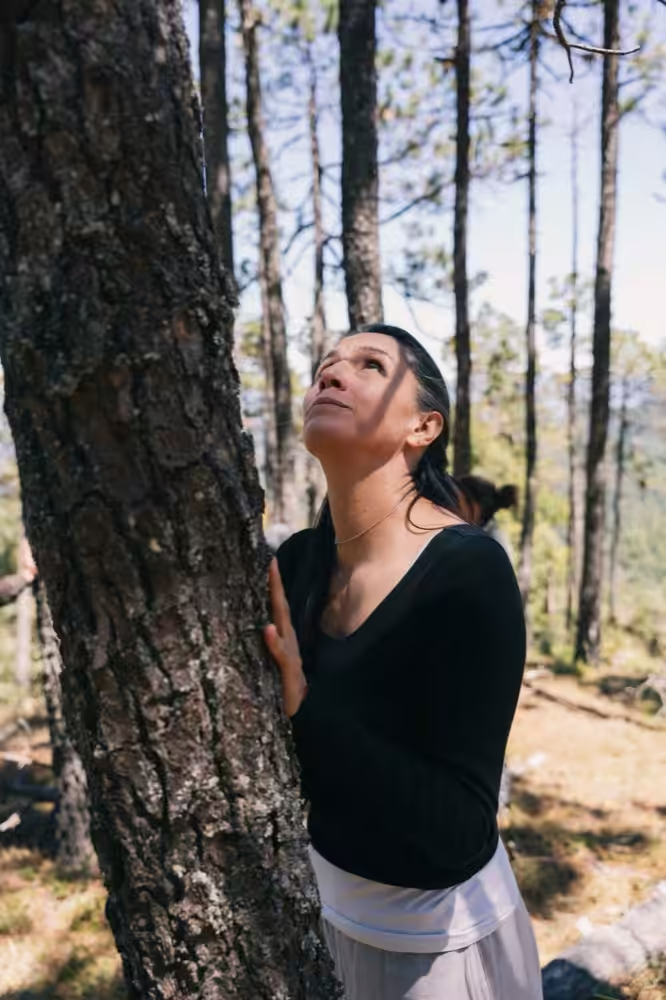

A forest trail can be peaceful on its own. Turning that experience into a paid, trusted wellness offering takes far more than loving nature. If you are looking for a guide to building a forest bathing business, the real work is not just learning how to lead a calming walk. It is learning how to create safety, credibility, structure, and results that clients can feel.
Forest bathing sits in a meaningful space between mindfulness, wellness education, and nature connection. That creates real opportunity, but it also means your business needs careful positioning. People may be curious about Shinrin-Yoku, yet they still need to understand why your sessions are worth paying for, what outcomes they can expect, and why your training matters.
Why a forest bathing business needs more than passion
A sincere love of the outdoors is a strong starting point, but it is not a business model. Clients are not only paying for access to trees. They are paying for a guided, intentional experience that helps them slow down, regulate stress, and reconnect with themselves in a way that feels safe and professionally held.
This is where many new guides get stuck. They assume the beauty of the practice will sell itself. Sometimes it does, especially with warm referrals or existing wellness communities. More often, people need a bridge between curiosity and commitment. They want language that feels grounded, not vague. They want reassurance that the experience is evidence-informed, thoughtfully designed, and led by someone with real preparation.
That is why training and business planning need to develop together. If one is missing, growth becomes uneven. You may feel deeply called to the work but struggle to attract clients. Or you may market well but lack the depth to create repeatable, meaningful sessions.
The guide to building a forest bathing business starts with your niche
Not every forest bathing business should look the same. In fact, trying to serve everyone usually weakens your message. A clearer path is to decide who benefits most from your style, background, and setting.
If you already work in wellness, your niche may be a natural extension of what you do now. A yoga teacher might offer seasonal forest bathing circles that support nervous system regulation. A coach might serve burned-out professionals seeking clarity and stress relief. A retreat facilitator might integrate guided forest immersion into half-day or weekend experiences. Therapists and mental health professionals may use forest bathing as a complementary, non-clinical wellness offering, while staying clear about scope of practice.
Location matters too. A guide working near public parks outside a major city may focus on busy professionals looking for accessible restoration. Someone in a destination area may build a premium retreat model. Someone in a suburban region may need shorter sessions, simpler language, and stronger education in their marketing because the audience is newer to the practice.
The niche does not need to be narrow forever. It just needs to be clear enough that people quickly understand who your work is for.
Build credibility before you build promotion
In wellness, trust is the business. Forest bathing is growing in visibility, but many potential clients still do not know how to distinguish between a thoughtful guide and someone who simply likes hiking. That is why recognized training matters.
A quality certification gives you more than a credential. It helps you understand facilitation, session design, ethics, contraindications, client care, and the science that supports nature-based stress reduction. It also gives you language to explain the practice with confidence. That balance matters because audiences in the US wellness market often want both emotional resonance and evidence-backed reassurance.
Accreditation can make a practical difference as well. It strengthens your professional identity, supports pricing confidence, and helps your business feel established from the beginning. For aspiring guides who want flexible learning, a provider like Treeming.org offers an online, self-paced certification model that fits around work and family life while still emphasizing recognized standards and science-backed training.
Design an offer people can actually buy
New guides often think in broad experiences. Clients think in concrete offers. Instead of marketing a general invitation to connect with nature, create a service structure that is easy to understand and easy to say yes to.
Your first offer might be a 90-minute small-group session in a local park. It could also be a private session for one or two people, a workplace wellness experience, or a seasonal series that encourages repeat attendance. The right starting point depends on your audience, your confidence as a guide, and the access you have to suitable natural spaces.
Keep the structure simple at first. Name the session clearly. State the duration, location type, and intended benefit. Describe the experience in calm, grounded language. Promise what you can responsibly deliver, such as guided sensory invitations, mindful nature connection, and a restorative pace. Avoid overstating outcomes. Forest bathing can support stress reduction and mental clarity, but it is not a cure-all.
Pricing should reflect both accessibility and professionalism. If you price too low, people may question the value or assume it is informal. If you price too high too early, you may create resistance before trust is built. There is no single right number. It depends on your market, your credentials, session length, and whether you are selling to individuals, private groups, or organizations. A gentle way to begin is with an introductory rate for your first limited series, then raise prices once your process is proven and testimonials start coming in.
Create a client experience that feels safe and restorative
People remember how they felt in your presence. That becomes your strongest marketing.
A professional forest bathing business is built through careful attention to the full client journey. That starts before the session begins. Registration should be clear. Meeting instructions should reduce uncertainty. Clients should know what to wear, what to bring, what physical level to expect, and whether restrooms or seating are available. These details may seem small, yet they shape whether the experience feels calming or stressful.
During the session, pacing matters. Forest bathing is not a performance. It is guided presence. Your invitations should be spacious and accessible, not overly intellectual or overly mystical unless that is a specific fit for your audience. Many clients respond best when the experience feels welcoming, grounded, and gently purposeful.
After the session, follow-up is part of the service. A brief thank-you email, a reflection prompt, or an invitation to book again can deepen the impact. This is also where testimonials often emerge naturally. If someone says the session helped them feel lighter, calmer, or more present, ask if they would be willing to share that feedback.
Marketing a forest bathing business without sounding forced
The strongest marketing for this field is educational, not pushy. People are often drawn to forest bathing because they are tired, overstimulated, or searching for a more meaningful form of wellness. Hard-sell messaging usually misses the emotional truth of that moment.
Instead, teach people how the practice works and why it matters. Explain the benefits in plain language. Speak to stress, mental fatigue, disconnection, and the need for nervous system support. If you use research-based framing, do it with care. Scientifically backed language builds trust, but only when it stays clear and honest.
Your content can answer practical questions people already have. What happens in a session? Do I need to be fit? Is this spiritual, therapeutic, or educational? How is it different from a hike or meditation class? When you answer those questions well, you reduce resistance before a sales conversation even begins.
Partnerships can also grow your business steadily. Think about aligned communities rather than mass exposure. Yoga studios, coaches, retreat hosts, wellness centers, HR teams, and community organizations may all be strong referral sources. The key is fit. A thoughtful partnership with the right audience is usually more valuable than broad visibility with the wrong one.
Operations matter more than most guides expect
A calm experience on the outside requires solid systems underneath. You need a registration process, waiver or informed consent language where appropriate, a cancellation policy, a weather policy, and a plan for communication if conditions change. You also need to think through permits, land access, and local regulations depending on where you operate.
Insurance and business setup deserve attention early. The exact structure depends on your state, your services, and whether you are operating part time or building a full-time practice. This is one of those areas where slowing down protects you later. Forest bathing may feel gentle, but running sessions in outdoor settings still involves professional responsibility.
It is also wise to decide whether your business is local-only or partially digital. Some guides build in-person sessions and support them with online workshops, seasonal programs, or downloadable practices. Others stay fully rooted in place. Neither is automatically better. It depends on your energy, your market, and whether you want a business that scales beyond your own calendar.
Growth comes from depth, not just more bookings
A sustainable business is not built by chasing volume alone. It grows when your work becomes consistent, referable, and distinct.
That often means refining your method over time. You may notice that private sessions produce deeper transformation, while group sessions bring stronger community energy. You may find that corporate wellness work is financially reliable, while public sessions build visibility. You may discover that your audience values credentialed education and environmental stewardship as much as the sessions themselves.
Let your business evolve from lived experience, not assumptions. Pay attention to who returns, who refers, and what language clients use when they describe the value of your work. That is where your clearest positioning will come from.
If this path calls to you, start with steadiness. Build your skills with care, shape offers that feel clear and grounded, and let your business reflect the same presence you hope clients will find among the trees. A forest bathing business grows best when it is rooted in both purpose and practice.