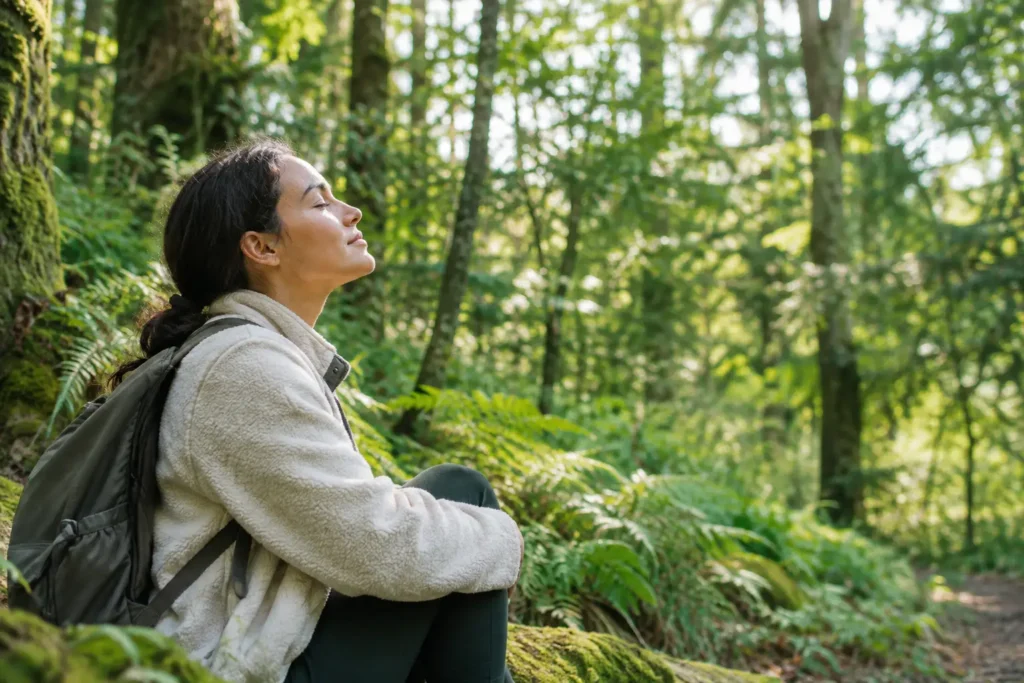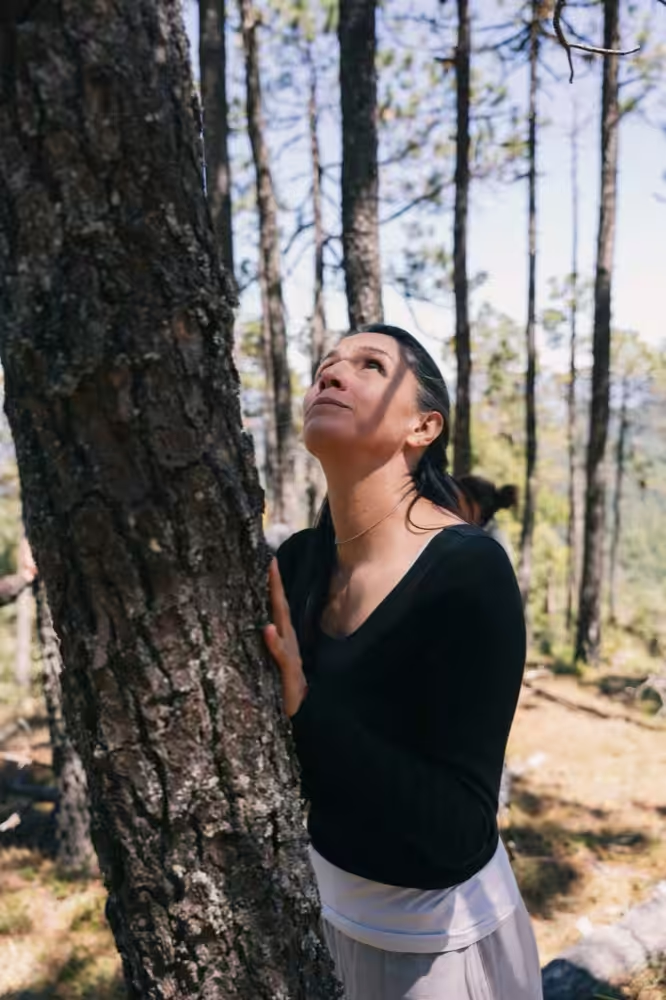

Some people ask how often should you do forest bathing as if there must be one perfect number – once a week, three times a month, every day at sunrise. In practice, the most effective rhythm is the one you can sustain. Forest bathing works less like a quick fix and more like a relationship with the natural world, where consistency matters more than intensity.
That answer may sound simple, but it is also backed by what we know about stress, attention, and nervous system recovery. A single immersive walk in a wooded space can help you feel calmer and clearer. A regular practice, however, is what begins to shape your baseline, helping you return to steadiness more easily over time.
How often should you do forest bathing for real benefits?
For most adults, a good starting point is one intentional forest bathing session each week. That frequency is realistic for busy schedules, and it is often enough to create a noticeable shift in stress levels, mood, and mental clarity. If you are already stretched thin, weekly practice gives you the benefits of repetition without turning restoration into another task to manage.
If you are moving through high stress, grief, burnout, or mental fatigue, two to three sessions a week may feel more supportive. These do not all need to be long outings. One deeper session on the weekend and one or two shorter visits during the week can still be powerful. The nervous system often responds well to regular, gentle contact with nature rather than occasional marathon experiences.
Daily forest bathing can be beneficial too, but only if it remains spacious and genuine. If daily practice starts to feel performative or rushed, the quality drops. Five days of distracted time in nature may be less restorative than one unhurried, attentive session.
Frequency matters, but so does duration
A useful question is not only how often should you do forest bathing, but how long each session should last. Traditional and guided forest bathing experiences often run around two hours because they are designed to slow the body and senses enough for a meaningful shift. That slower pace helps attention settle. It also creates enough time to move beyond exercise mode and into sensory awareness.
Still, not every session has to last two hours. A 20 to 30 minute practice in a local park, greenway, or wooded trail can support emotional regulation and mental reset, especially when done consistently. Think of longer sessions as deeper immersion and shorter sessions as maintenance. Both have value.
If you are deciding between frequency and length, frequency usually wins. A shorter weekly or twice-weekly practice tends to support more lasting benefits than one long outing every few months. The body and mind respond to rhythm.
What your life stage changes
The right schedule depends on what you need from the practice right now. Someone looking for general wellness may do well with one intentional session each week and small moments of nature contact in between. Someone recovering from chronic overstimulation may need more frequent exposure to quiet, green spaces.
If you work indoors, spend long hours on screens, or feel mentally fragmented by constant notifications, more regular forest bathing can act as a counterbalance. In that case, two or three sessions a week may not be excessive. They may simply meet the demands of your environment.
For wellness professionals, there is another layer. If you are training to guide others or integrating forest bathing into an existing practice, frequency supports both personal regulation and professional depth. The more regularly you practice, the more you understand the method from the inside. That lived experience shapes the quality of your presence, not just your knowledge.
Signs you may need forest bathing more often
You do not need to wait for burnout to build a rhythm with nature, but your body often gives clues when more frequent practice would help. If you feel wired but tired, struggle to focus, snap at small things, or find rest unrefreshing, those are often signs of a system that needs downshifting.
Forest bathing is not a replacement for medical or mental health care when those are needed. It is, however, a scientifically backed complementary practice that can support stress reduction, nervous system regulation, and emotional steadiness. For many people, increasing frequency during demanding periods is less about doing more and more about recovering what modern life drains.
Why less can sometimes be more
There is a common wellness trap in which every beneficial practice becomes optimized, tracked, and pushed to the point of pressure. Forest bathing loses something essential when it becomes one more performance metric.
If your schedule is full, one fully present session every week or two can be more healing than forcing daily outings you resent. If you live in an urban setting and cannot easily access a forest, a slower practice in a tree-filled park may still be meaningful. The question is not whether your routine looks ideal on paper. The question is whether it actually helps you feel more grounded, aware, and connected.
This is especially important for people who are achievement-oriented. Many adults drawn to wellness are also high performers. They may bring that same energy into restorative practices and accidentally make them stressful. A sustainable forest bathing rhythm should lower internal pressure, not add to it.
A practical rhythm you can actually keep
If you want a clear place to begin, start with one 60 to 120 minute session each week for four weeks. During that month, notice changes in your sleep, focus, mood, and stress response. Then adjust.
If the weekly session feels nourishing but not quite enough, add one short midweek visit of 20 to 30 minutes. If weekly practice already feels hard to maintain, shorten the session rather than abandoning the habit. A realistic plan is always stronger than an ambitious one that collapses.
You can also follow a seasonal rhythm. Some people naturally spend more time outside in spring and fall and less in extreme summer heat or winter cold. That does not mean your practice has failed. It means you are adapting. In quieter seasons, even sitting near trees, journaling outdoors, or practicing mindful walking on a local path can keep the connection alive.
Quality changes the outcome
Two people can spend the same amount of time in the same forest and have very different experiences. One is checking messages, tracking steps, and thinking through tomorrow’s meetings. The other is noticing birdsong, bark texture, shifting light, and breath.
Forest bathing is not just being outside. It is intentional nature immersion guided by sensory awareness and receptive attention. That is why frequency alone is not the whole answer. If you go often but remain mentally elsewhere, the effects will likely be limited.
A simple way to improve quality is to remove the goal of covering distance. Walk slowly. Pause often. Let your senses lead. The practice becomes less about reaching a destination and more about allowing the environment to influence your internal state.
If you want deeper transformation, build a practice
There is a difference between occasionally enjoying nature and cultivating forest bathing as a discipline. Both are worthwhile, but a true practice has rhythm, reflection, and intention. Over time, this is where many people experience the deepest changes – not just temporary calm, but improved self-awareness, steadier attention, and a stronger felt connection to the living world.
For those who feel called to go further, structured education can make a real difference. Learning the science, methods, and facilitation principles behind forest bathing helps transform a pleasant activity into a meaningful wellness tool. That is part of why programs like Treeming.org’s accredited online training resonate with both personal practitioners and professionals. They offer a framework for making the practice consistent, credible, and impactful.
So what is the best answer?
The best answer is this: often enough that your body remembers how to soften. For many people, that means once a week. For others, especially during stressful seasons, it may mean two or three times a week. If all you can manage right now is one quiet half hour under trees, start there and protect it.
Nature does not ask for perfection. It responds to presence. When you return regularly, even in small ways, the practice begins to meet you where you are – and gently guide you back to yourself.