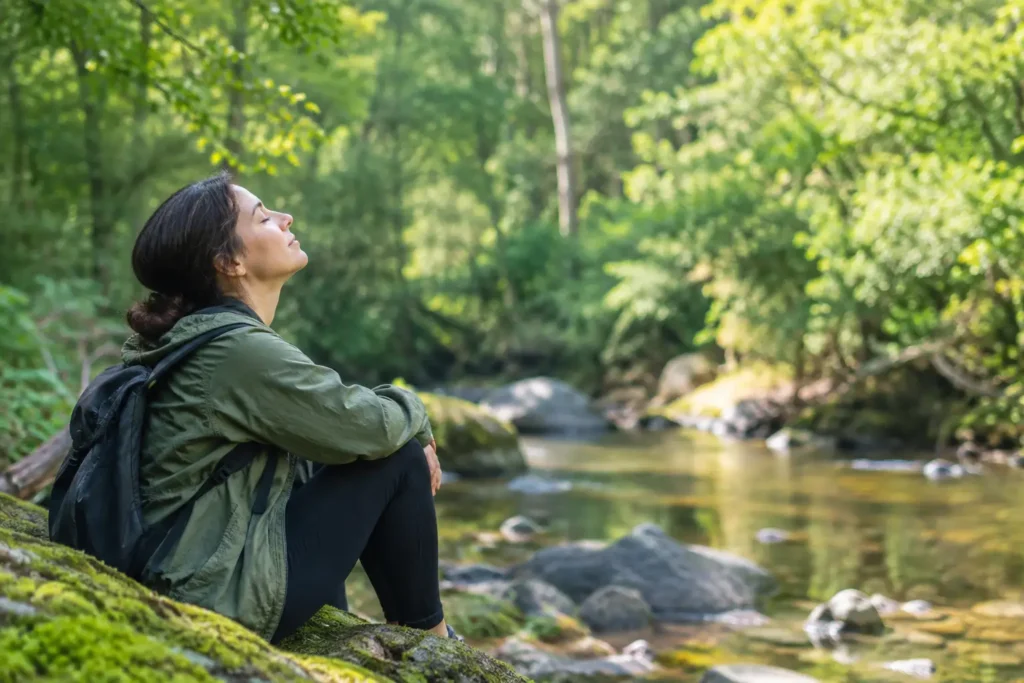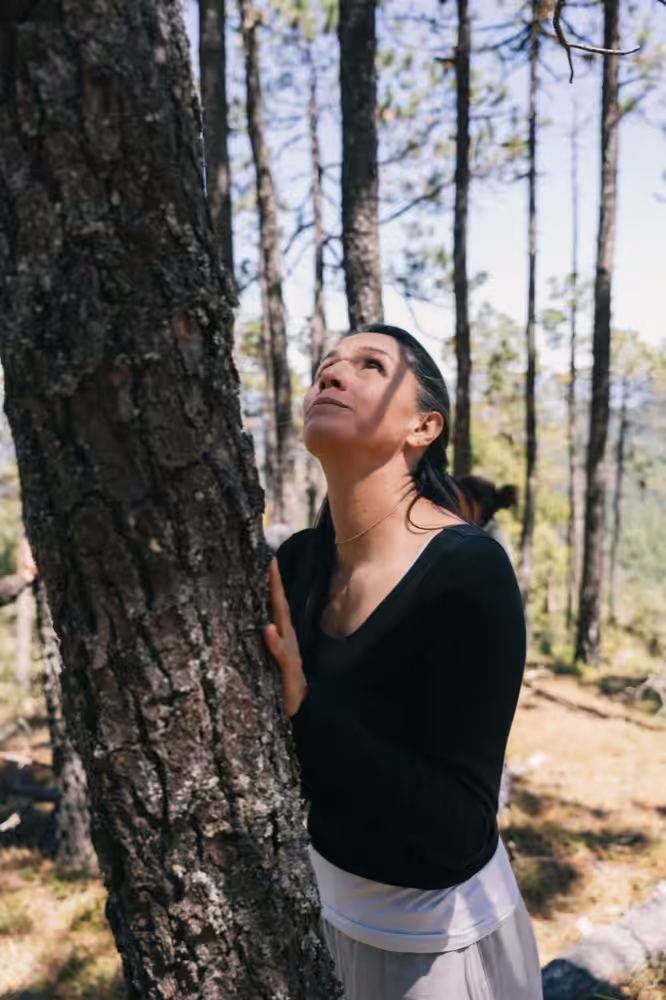

A coaching session changes when the setting changes. Put a client in front of a worksheet and you may get insight. Walk with them beneath trees, slow their pace, and guide their attention toward sound, scent, texture, and breath, and you often get something deeper – regulation, clarity, and a felt sense of being present. That is why forest bathing training for life coaches is drawing real interest from practitioners who want a grounded, evidence-based way to support transformation.
For coaches, the appeal is not only personal. Forest bathing offers a structured method that can strengthen a coaching practice, widen the kinds of clients you can serve, and bring a calming, memorable dimension to your work. The key is understanding what this training actually prepares you to do, where it fits within coaching, and what makes a program credible.
Why life coaches are turning to forest bathing
Life coaching often focuses on forward movement – goals, patterns, decisions, accountability. That work matters, but many clients arrive dysregulated, overstimulated, and mentally exhausted. When the nervous system is strained, insight can feel intellectual rather than embodied. Clients may know what they should do and still feel unable to access calm, confidence, or direction.
Forest bathing creates a different entry point. Rooted in Shinrin-Yoku and supported by growing research around stress reduction and mental well-being, the practice invites people to slow down and engage with the natural world through their senses. It is not a hike, not fitness training, and not traditional talk therapy. It is guided nature immersion designed to support presence and restoration.
For a life coach, that distinction matters. Forest bathing does not replace coaching methods. It complements them. A coach trained in this approach can help clients move from constant analysis into a state where reflection becomes easier and more honest. Some clients speak more freely outdoors. Others need fewer words and benefit simply from settling their system before meaningful conversation begins.
What forest bathing training for life coaches should include
Not every nature-based course is designed for professional application. If you are considering forest bathing training for life coaches, look for a program that teaches both the experience of the practice and the framework behind it.
A strong training should cover the origins and principles of forest bathing, the science related to stress, mood, and attention, and the practical skills needed to guide others safely and confidently. That includes pacing, invitation design, sensory awareness exercises, group facilitation, ethics, and session structure. Without those elements, it is easy to reduce the practice to a pleasant walk with vague mindfulness language.
Credential quality matters too. Life coaches are increasingly thoughtful about how they present qualifications to clients, retreat partners, and employers. Accredited training signals that the program has standards, a defined curriculum, and professional relevance. That is especially important if you plan to offer guided sessions as a paid service or integrate them into an existing coaching business.
Online delivery can also be a real advantage, not a compromise. For working professionals, a self-paced format makes it possible to build skills without stepping away from clients, family, or current responsibilities. The best online programs combine flexibility with expert instruction and a curriculum that is clearly organized rather than loosely inspirational.
How this training fits into a coaching practice
The most successful coaches do not force every tool into every session. They understand fit. Forest bathing is especially useful when clients are dealing with stress, transition, burnout, decision fatigue, or a sense of disconnection from themselves.
A career coach, for example, might use guided forest bathing to support a client who is overthinking a major work decision. A wellness coach may integrate nature-based sessions for clients seeking better emotional balance and sustainable stress recovery. A leadership coach may find that outdoor guided experiences help high-performing clients step out of constant pressure and reconnect with values, purpose, and perspective.
There are trade-offs, and they are worth naming. Forest bathing is powerful, but it is not the right setting for every client or every goal. Some clients need direct strategy and structure. Others may have mobility limitations, weather concerns, or little access to suitable natural spaces. In some cases, shorter nature-based practices or hybrid formats make more sense than full guided sessions.
This is where good training proves its value. It helps you understand not only how to guide, but when to guide, for whom, and with what boundaries.
The difference between personal interest and professional readiness
Many coaches already love nature. That is a beautiful starting point, but it is not the same as being trained to facilitate forest bathing well. Professional readiness means moving beyond your own experience into intentional guidance that supports another person’s process.
That requires skill. You need to know how to create invitations without overexplaining, how to hold quiet without rushing to fill it, and how to support reflection without turning every moment into analysis. You also need a clear scope of practice. Forest bathing can be deeply restorative, but it is not psychotherapy, medical treatment, or a cure-all.
Clients trust practitioners who understand these boundaries. In a wellness market crowded with vague claims, a coach who can articulate both benefits and limits stands out as credible. That credibility becomes even stronger when your training is science-backed, professionally structured, and recognized by an accrediting body.
What to look for in a certification
If your goal is to use forest bathing professionally, certification should be more than a badge. It should help you practice with confidence and communicate value clearly.
Look for a curriculum that balances ancient mindfulness-informed roots with modern research. The best programs do not frame forest bathing as either purely spiritual or purely clinical. They respect the contemplative nature of the practice while showing how it connects to research on stress physiology, mood, focus, and emotional restoration.
You should also look for practical teaching materials, a clear path through the coursework, and examples of how guided sessions are designed. Coaches need more than theory. They need to understand how to lead an experience from arrival to closing reflection, how to adapt for individuals and groups, and how to offer a session that feels calm, professional, and purposeful.
Environmental values can matter here as well. For many wellness professionals, the integrity of a training provider extends beyond the curriculum. A school that supports reforestation or stewardship reflects a wider commitment to the ecosystems that make this practice possible. That alignment can deepen the meaning of your certification and resonate with clients who care about purposeful consumption.
Building a marketable offer around forest bathing
One reason coaches pursue this training is simple – it can become a meaningful service line. Clients are looking for experiences that feel restorative, credible, and different from standard wellness offerings. Forest bathing can meet that need when it is positioned well.
That does not mean adding trendy language to your website and hoping it lands. It means being clear about the outcome. Are you offering private sessions for stress relief and life transitions? Small group experiences for emotional reset and reflection? Retreat add-ons? Corporate well-being sessions? The training you choose should help you think in these practical terms.
This is also where accreditation and a globally recognized certification can support your positioning. Clients may not know every detail of how forest bathing works, but they do understand signals of trust. A formal credential tells them this is a real modality with a real method, not an improvised walk in the woods.
For coaches who want flexibility, online certification is especially useful. You can train from home, practice in your local green spaces, and begin shaping your offer without waiting for an in-person schedule to align. Treeming has helped make that pathway more accessible through accredited, self-paced online training designed for both personal growth and professional practice.
Is forest bathing training right for every life coach?
Not always. If your work is highly tactical and centered on performance metrics alone, you may not want a modality built around slowness, presence, and sensory awareness. If you dislike quiet, dislike outdoor settings, or want a fast-certification label without real practice development, this may not be the right fit.
But for coaches who want to bring calm, depth, and nature-based restoration into their work, the fit can be remarkably strong. It is especially compelling for practitioners serving burned-out professionals, people in transition, wellness-focused clients, and anyone who needs more than another mindset exercise.
The strongest candidates tend to value both science and experience. They want a practice that feels peaceful but not vague, restorative but not passive, meaningful but still professional. They also understand that clients are craving methods that help them feel better in their bodies, not just think differently in their heads.
A thoughtful training can meet that moment. It can give you a new language for presence, a new structure for guiding change, and a new way to help clients reconnect with what is steady inside them.
If your coaching practice is ready for a modality that slows the pace, deepens reflection, and brings people back into relationship with the natural world, this path is worth serious consideration. Sometimes the next skill your clients need from you is not another strategy. Sometimes it is a guided return to stillness, breath, and the quiet intelligence of the forest.