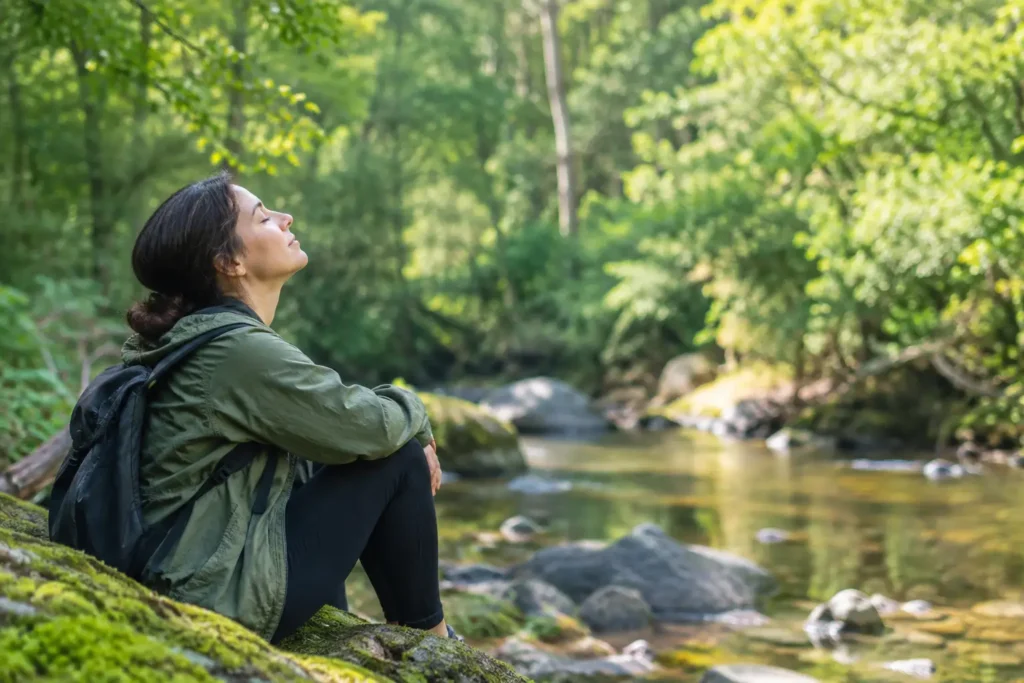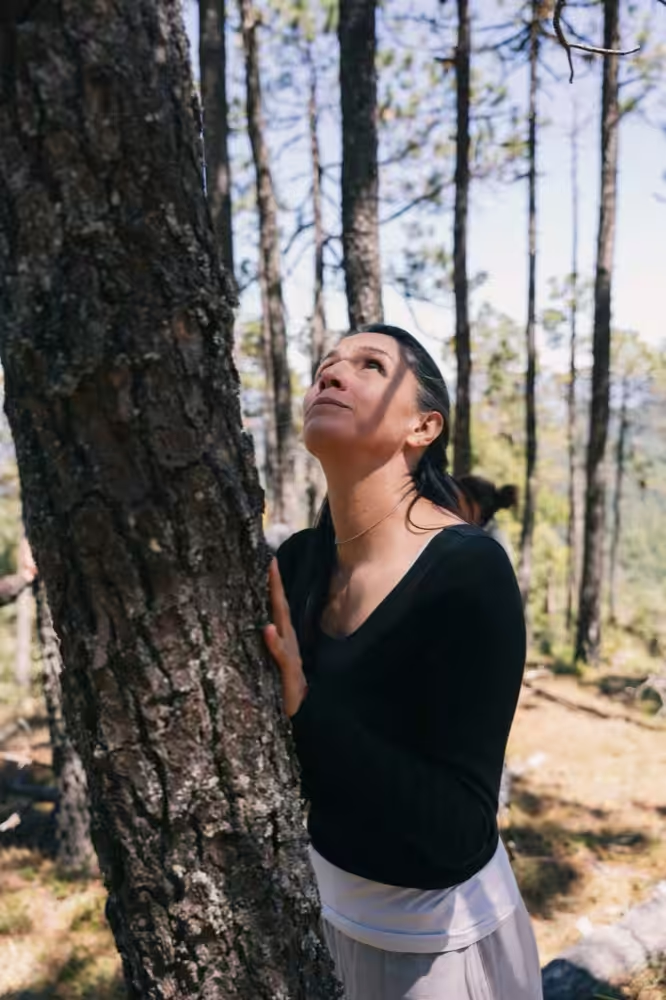

Your nervous system can tell the difference between scrolling through a nature photo and standing beneath real trees. The breath changes. The pace softens. Attention widens. If you are wondering how to start forest bathing practice, the good news is that you do not need wilderness expertise, expensive gear, or hours of free time. You need a safe natural setting, a willingness to slow down, and a structure simple enough to repeat.
Forest bathing, or Shinrin-Yoku, is not exercise in the usual sense. It is not a hike with a wellness label attached. It is a guided or personal practice of sensory immersion in nature, done slowly and with intention. Research has linked time in forests and green spaces with reduced stress, improved mood, and better mental clarity, which is one reason forest bathing has moved from niche interest to a respected wellness modality.
For many adults, the challenge is not believing nature helps. It is knowing how to turn occasional outdoor time into a meaningful practice. That is where a clear beginning matters.
What forest bathing is really asking you to do
At its core, forest bathing invites you to shift from doing to noticing. Instead of covering distance, you pay attention to what is already here: the movement of light, the texture of bark, the temperature of the air, the layered sounds that normally fade into the background.
This sounds simple, and it is. But simple is not always easy. Many people arrive in nature carrying a mind that still feels like an inbox. If that is your experience, nothing is wrong. Forest bathing does not require a perfectly calm mind. It only asks for gentle redirection, again and again, back to the senses.
That is also why expectations matter. If you approach the practice as a way to force relaxation, you may feel frustrated on busy or emotionally heavy days. If you approach it as an opportunity to be present with nature and yourself, the benefits tend to unfold more naturally.
How to start forest bathing practice in a way that lasts
The best practice is the one you can return to consistently. That means starting smaller than you think you need to.
Choose a location that feels accessible and safe. A forest trail is wonderful, but it is not the only option. A local park with mature trees, a quiet botanical garden, a lakeside path, or even a green neighborhood space can work. The quality of your attention matters more than the grandeur of the setting.
Then choose a realistic length of time. Twenty to forty-five minutes is enough for most beginners. Longer sessions can be powerful, but they are not necessary at the start. In fact, shorter sessions often create better continuity because they fit real life.
Before you begin walking, pause. Stand still for a minute or two. Notice your breathing without changing it. Feel the ground beneath your feet. Let your arrival be part of the practice rather than something you rush through.
From there, move slowly. Much more slowly than you would on a typical walk. Let your senses lead. You might notice the scent of leaves after rain, the shape of shadows, or the difference between birdsong in the distance and the rustle close by. If your mind drifts to errands or deadlines, bring it back kindly. Forest bathing is not about emptying the mind. It is about returning attention to the living world.
A simple first session you can actually follow
A first session does not need ritual for the sake of ritual. It helps to have a loose sequence.
Start by arriving quietly for two or three minutes. Then walk at an unhurried pace for ten to fifteen minutes, letting your gaze soften rather than scanning for the next destination. Pause when something draws your attention. Sit, if there is a comfortable place, for another five to ten minutes and notice what changes when you become still.
You can deepen the experience with a few gentle prompts. What do you hear when you stop trying to identify every sound? What textures can you feel with your hands? What colors stand out when you let yourself look without labeling everything immediately?
Near the end, take a moment to reflect. You do not need a profound insight. Maybe your shoulders dropped. Maybe your thoughts slowed. Maybe you realized how tired you were. All of that counts.
What to bring and what to leave behind
Forest bathing asks for less than most people expect. Wear comfortable clothing suited to the weather and shoes that allow you to walk safely and slowly. Bring water if needed, and consider a small sit pad or light layer if you want to pause on a bench, log, or ground surface.
What helps even more is deciding what not to bring into the experience. If possible, silence your phone or keep it tucked away. Leave performance metrics behind. This is not a step goal, calorie burn, or productivity hack. The more you reduce interruption, the easier it becomes to notice subtle shifts in your body and mood.
There is one important trade-off here. Some people feel safer with a phone accessible, especially in isolated areas. That makes sense. Safety should always come before ideal conditions. Forest bathing works best when it is both restorative and responsible.
Common mistakes beginners make
The most common mistake is moving too fast. Speed keeps you in task mode, and forest bathing depends on a different rhythm. If you feel slightly impatient at first, that is normal. Slowing down often reveals how overstimulated daily life has become.
Another mistake is choosing a place that is beautiful but stressful to navigate. If the terrain is difficult, the weather is harsh, or the area feels unsafe, your body may stay on alert. Start where your system can settle.
Some beginners also overcomplicate the practice by searching for the perfect script, the perfect forest, or the perfect mindset. Forest bathing is structured, but it is not rigid. A simple, repeatable practice in a modest park is more valuable than a rare, idealized experience you never manage to schedule.
How often should you practice?
Consistency matters more than intensity. One session a week is a strong starting point, especially if you are new to mindfulness-based practices. If your schedule allows, adding one or two shorter nature pauses during the week can help reinforce the effect.
It also depends on your goal. If you want personal stress relief, regular short sessions may be enough to create a noticeable shift in mood and mental clarity. If you are exploring forest bathing as part of a broader wellness path or professional offering, a more intentional rhythm of practice will deepen your understanding of pacing, sensory awareness, and facilitation.
That is one reason many people eventually move from casual interest into formal study. A scientifically backed, accredited educational path can give structure to what might otherwise remain intuitive but inconsistent. For those who want to build either a personal discipline or a professional skill set, Treeming supports that process through flexible online training grounded in both ancient practice and modern research.
How to start forest bathing practice when you live in a city
Urban life does not disqualify you from this work. While dense forests offer unique sensory richness, city parks and tree-lined spaces can still support a meaningful practice. The key is adjusting expectations and refining attention.
You may hear traffic alongside birds. You may sit beneath one large oak instead of wandering through miles of woodland. That does not make the experience lesser. It makes it specific to your environment. If anything, practicing in a city can sharpen your ability to find restoration without needing ideal circumstances.
Try going early, when the space is quieter. Choose areas with more canopy cover and less foot traffic if possible. Even brief contact with green space can help interrupt stress patterns when done with intention.
When guided support makes a difference
Self-guided forest bathing is a strong place to begin, but there are times when guidance helps. If you struggle to slow down, feel unsure how to create a session, or want to explore the deeper therapeutic and educational side of the practice, learning from trained professionals can be valuable.
A qualified guide brings more than calming language. They understand pacing, sensory invitations, group dynamics, safety, and the science behind the practice. For wellness professionals, that level of training is especially important. Forest bathing may look effortless from the outside, but skillful facilitation requires both presence and method.
There is also a wider purpose here. A well-taught forest bathing practice often leads people toward stewardship. The more connected people feel to living ecosystems, the more likely they are to protect them. That connection matters for personal well-being and for the health of the environments that support it.
If you are starting now, keep it simple. Pick a nearby green space. Give yourself thirty quiet minutes. Walk slowly enough to notice what usually gets missed. Let nature meet you where you are, not where you think you should be. The practice begins there.