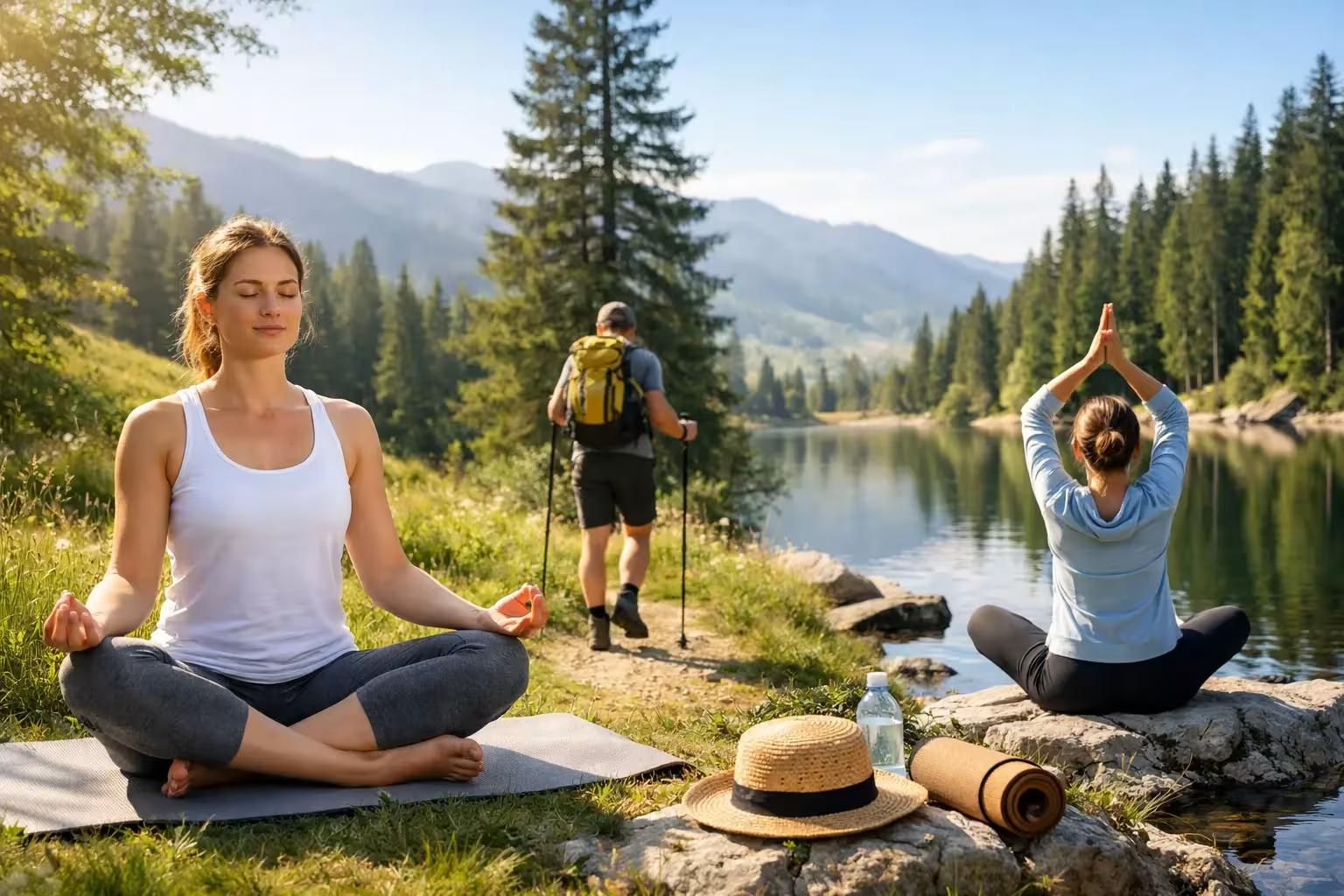
A busy mind does not always need another app, another productivity system, or another hour indoors. Sometimes it needs a slower pace, natural light, fresh air, and the sensory richness of a living landscape. The best outdoor wellness activities for mental health are not necessarily strenuous or complicated. They are practices that help you step out of constant mental demand and return to the present moment.
Nature time is not a replacement for mental health care when you need it. It can, however, be a meaningful part of a broader well-being routine, alongside professional support, sleep, movement, connection, and appropriate medical care. The key is choosing an activity that feels restorative rather than like another item on your to-do list.
Why outdoor wellness supports mental well-being
Many adults spend their days moving between screens, artificial lighting, traffic, meetings, and indoor responsibilities. That pace can keep the nervous system in a state of ongoing alertness. Outdoor time creates a different set of conditions: changing light, open space, natural sounds, textures underfoot, and a break from constant digital input.
Research into nature-based practices suggests that time in green spaces may support stress reduction, attention restoration, and improved mood. The benefit is not only about exercise, although movement can certainly help. It is also about the quality of attention you bring to the environment. A gentle walk through trees may feel very different from rushing through a park while answering messages.
Your ideal practice depends on your energy, access to outdoor spaces, physical ability, and current emotional needs. On an exhausted day, sitting beneath a tree may be more supportive than a long hike. On a restless day, cycling or gardening may offer the steadier rhythm your mind needs.
Best outdoor wellness activities for mental health
Forest bathing
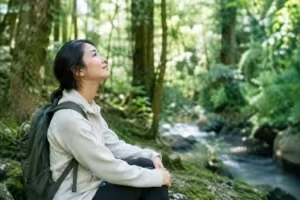
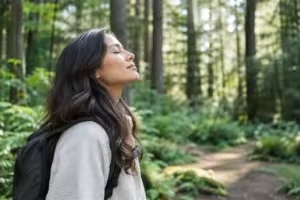
Forest bathing, also known as Shinrin-Yoku, is the practice of spending intentional, unhurried time in a forest or natural area. It is not about bathing in water, covering miles, or reaching a destination. It is about using the senses to connect with the natural world.
Try walking slowly enough to notice the pattern of bark, the temperature of the air on your skin, birdsong in the distance, or the scent released by damp soil after rain. Pause often. Sit quietly. Let curiosity lead rather than a fitness tracker.
This practice is especially well suited to people whose work requires sustained concentration, caregiving, or emotional labor. By shifting attention away from analysis and toward sensory experience, forest bathing can create room for calm and mental clarity. Even a small wooded park can work when a large forest is not accessible.
For wellness professionals, forest bathing also offers a structured, respectful way to support clients in reconnecting with nature. Formal education matters here. A well-designed training program teaches the science, ethics, facilitation skills, and safety awareness needed to guide meaningful experiences rather than simply lead a walk.
Mindful walking in a neighborhood park
You do not need a wilderness trail to experience the restorative potential of being outdoors. A nearby park, tree-lined street, botanical garden, or quiet waterfront path can become a regular space for mindful walking.
Begin by leaving your phone on silent or in a pocket. Walk at a pace that allows you to breathe comfortably, then notice five things you can see, four things you can feel, three things you can hear, two things you can smell, and one thing you appreciate. This simple sensory practice can interrupt spiraling thoughts and gently anchor you in the present.
The trade-off is that urban green spaces may include noise, crowds, or distractions. Rather than waiting for perfect conditions, choose the calmest time available, such as early morning or late afternoon. Consistency often matters more than location.
Gardening and tending living things
Gardening combines light movement, sensory engagement, patience, and purpose. Digging, watering, pruning, and planting offer a practical counterpoint to screen-based work. You can see the result of your care over time, whether you are growing herbs in containers, tending house-adjacent flower beds, or volunteering at a community garden.
For mental health, gardening can be particularly helpful when you feel disconnected or mentally scattered. The tasks are concrete. Soil needs moisture. Seeds need space. Plants respond to light and seasons. This can bring perspective when your inner world feels less predictable.
Keep the practice small enough to remain nourishing. A large garden can become another source of pressure if your schedule is already full. A few pots on a porch or balcony count.
Hiking with attention, not urgency
Hiking offers physical movement alongside the psychological benefits of natural surroundings. A gradual trail can elevate your heart rate, build confidence, and give the mind a clear focus. It may be a strong fit when stress is showing up as agitation, low energy, or a sense of being stuck.
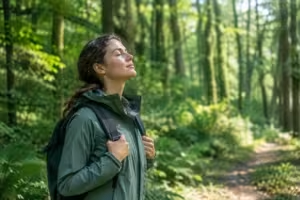
The wellness value increases when you resist turning every hike into a performance. Notice where your shoulders are holding tension. Stop for water before you are depleted. Look up from the trail. Let the route be part of the experience, not merely a challenge to complete.
Choose trails that match your current fitness and comfort level. Overreaching can turn a restorative outing into a stressful one, especially in extreme heat, poor weather, or unfamiliar terrain. Tell someone where you are going, carry water, and respect local conditions.
Outdoor yoga, breathwork, or gentle movement
Moving outdoors can deepen practices that already support body awareness. Gentle yoga on grass, tai chi in a quiet park, or simple stretching beneath an open sky helps connect breath with movement and environment.
Keep it uncomplicated. Stand with both feet grounded, take several slow breaths, and stretch your arms toward the sky. Notice the breeze, sounds, and temperature without needing to judge them. A 10-minute practice before work can be more sustainable than an ambitious routine you only do once.
If privacy is a concern, seek a quieter corner of a park or practice in your backyard. The goal is not to create a perfect wellness scene. It is to give your body and mind a chance to settle.
Water-based time outdoors
Sitting beside water, paddling a kayak, swimming where it is safe, or taking a slow walk along a shoreline can offer a different kind of sensory reset. The repetitive sound and motion of water may feel soothing for people who struggle to slow down through stillness alone.
Water activities require more planning than a neighborhood walk. Check weather, local safety guidance, and your skill level. If you are new to paddling or open-water swimming, go with an experienced companion or qualified instructor. Even simply spending 20 minutes beside a lake or stream can provide a meaningful pause without the added logistics.
Nature photography and seasonal noticing
Photography gives your attention a clear assignment: look closely. You do not need professional equipment. A phone camera is enough to notice patterns in leaves, changing cloud cover, animal tracks, wildflowers, or winter light.
Choose a familiar route and revisit it across several weeks. Photograph one detail each time. This practice can build a sense of continuity, helping you recognize that nature is always changing without rushing. It can also be especially accessible for those who cannot comfortably take long walks or hikes.
How to make outdoor wellness a real habit
The most effective practice is usually the one that fits into your actual life. Start with a realistic commitment, such as 15 minutes outdoors three times a week. Put it on your calendar with the same care you would give a meeting, but leave room for flexibility when weather, energy, or responsibilities change.
Create a simple intention before you go outside. You might choose to notice what feels alive, release a difficult workday, or spend ten minutes without consuming information. An intention offers direction without turning nature time into another achievement project.
It also helps to vary your activities by need. Use a gentle sit outdoors when you are overstimulated, a brisk walk when you need momentum, or a sensory forest bathing practice when you want deeper restoration. Over time, you will learn which environments and rhythms support you best.
Outdoor wellness becomes more powerful when it is practiced with respect. Stay on appropriate trails, avoid disturbing wildlife, carry out what you bring in, and choose reusable supplies where possible. Caring for the places that care for us brings an added sense of purpose to the practice.
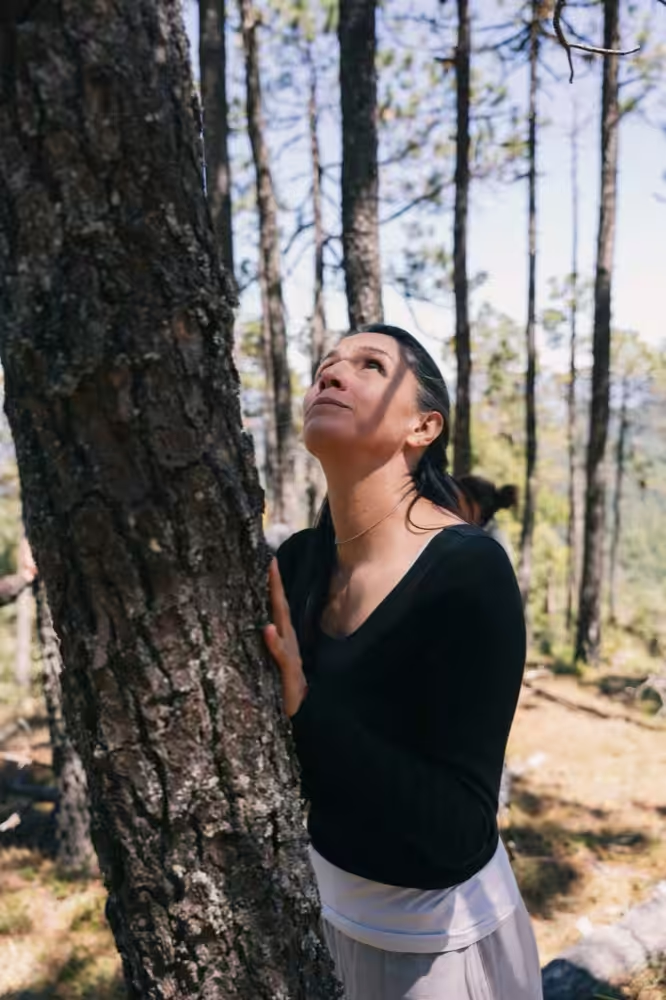
The next time your mind feels crowded, do not ask nature to fix everything at once. Step outside, slow your pace, and give your senses something real to meet. A single quiet moment beneath a tree can be a beginning.