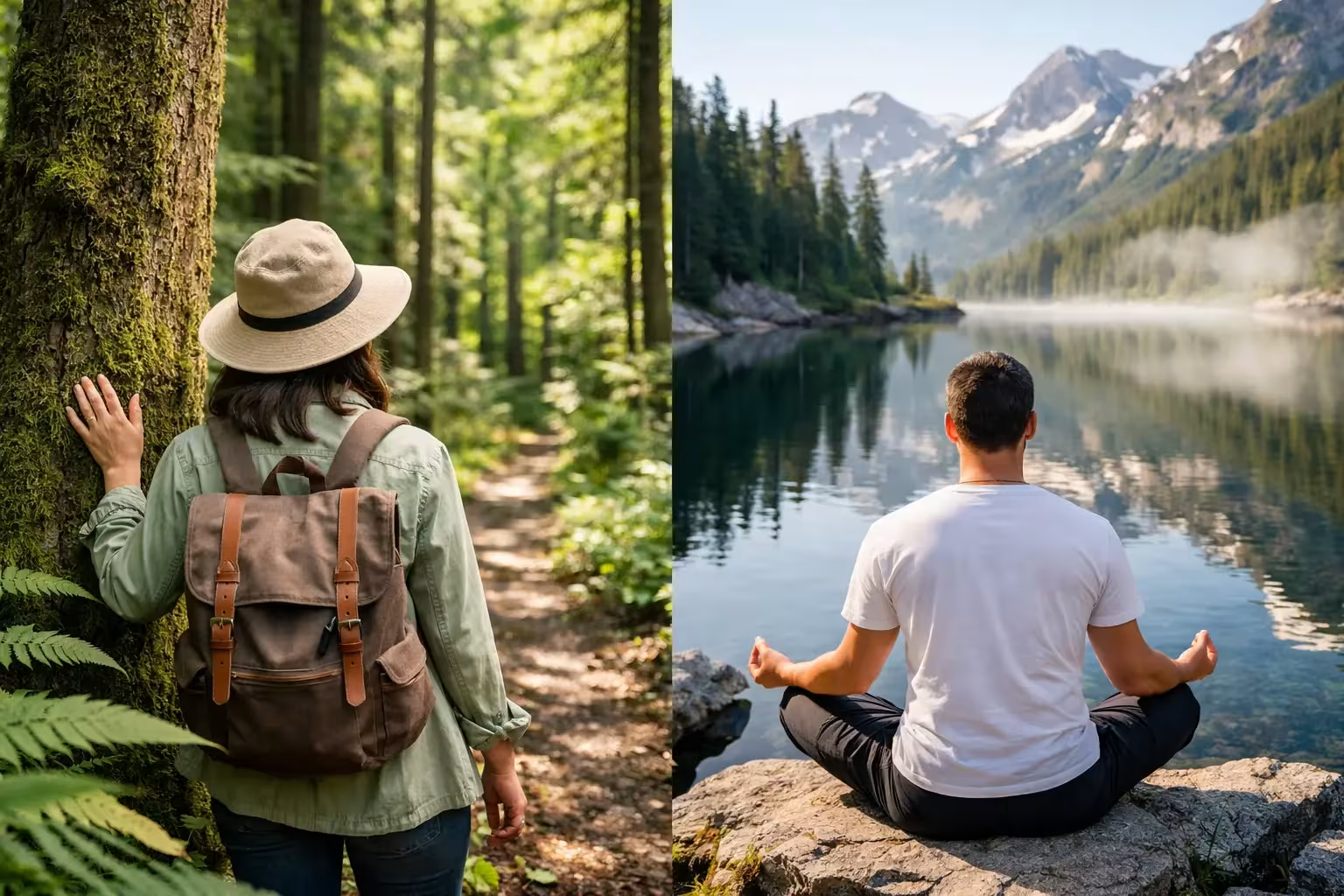
A quiet trail can change the quality of an afternoon more than another hour at a desk. Yet when people compare shinrin yoku vs nature meditation, they often assume the two practices are interchangeable. Both invite you outdoors, slow your pace, and support a calmer relationship with your surroundings. Their methods and intentions, however, are not quite the same.
Understanding the distinction can help you choose a practice that meets you where you are – whether you need a simple way to reset after a demanding week or a more structured approach to nature-based well-being. For wellness professionals, the difference also matters when designing experiences that are safe, clear, and meaningful for clients.
What Is Shinrin Yoku?
Shinrin-yoku is a Japanese term commonly translated as “forest bathing.” It does not mean bathing in water or hiking for fitness. It is the intentional practice of immersing the senses in a forest or other natural setting, allowing the body and mind to settle into the environment.
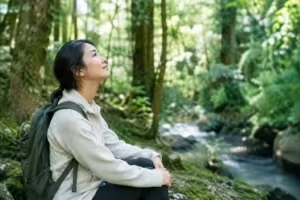
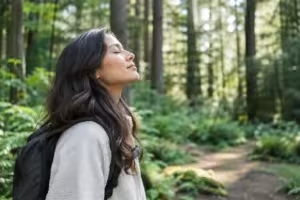
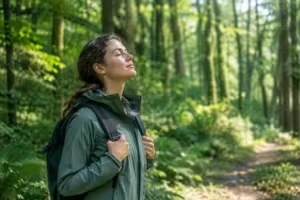
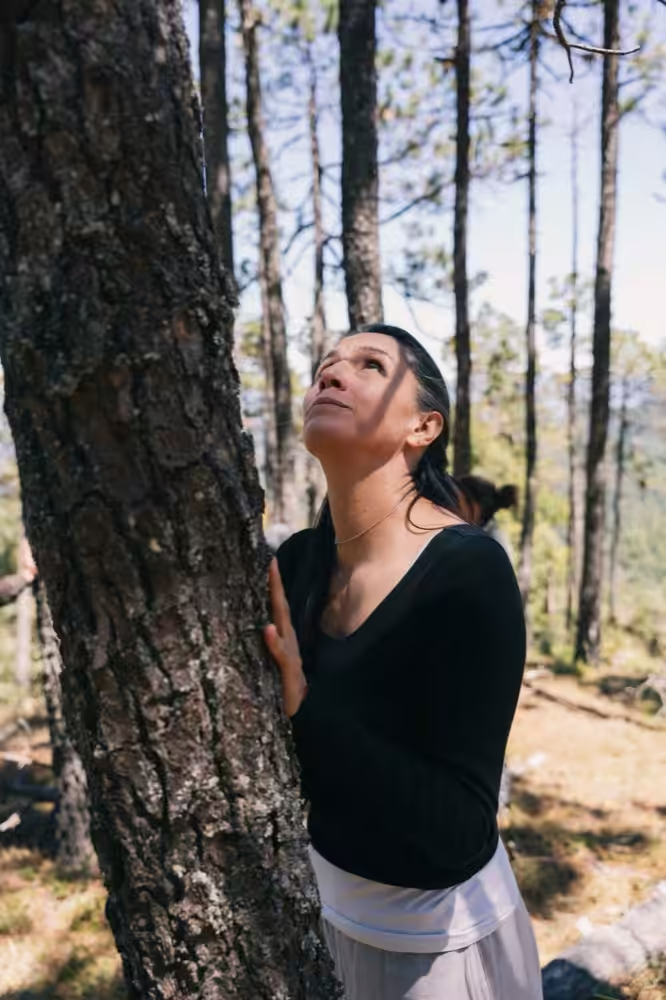
A forest bathing experience is generally unhurried and receptive. Rather than aiming to reach a summit, cover a certain distance, or achieve a particular mental state, participants are invited to notice what is already present. The texture of bark, the movement of leaves, shifting light, birdsong, the scent of damp soil, and the feeling of air against the skin can all become points of connection.
This sensory emphasis is central. A trained guide may offer gentle invitations that direct attention toward a particular sense or relationship with the landscape. There is usually ample time for silence, wandering slowly, and sharing observations if the group chooses. The forest is not a backdrop for the practice. It is an active partner in the experience.
Forest bathing is often associated with research on the health benefits of spending time in forests and green spaces. Studies have linked nature exposure with improvements in perceived stress, mood, attention, and physiological markers related to relaxation. Results vary by individual, setting, and study design, so forest bathing should not be presented as a replacement for medical or mental health care. Still, it offers a practical, scientifically informed way to create space for restoration.
What Is Nature Meditation?
Nature meditation is a broader term. It describes meditation practiced outdoors or meditation that uses elements of nature as an object of attention. Someone might sit beneath a tree and follow their breath, listen to waves while practicing open awareness, or observe a flower while repeating a grounding phrase.
The method can be highly structured. A practitioner may use a timer, follow a familiar meditation technique, count breaths, complete a body scan, or work with a teacher’s spoken guidance. Nature adds sensory richness and can make meditation feel more accessible, but the meditation practice itself often remains the central framework.
Nature meditation can also happen almost anywhere: a backyard, city park, balcony garden, beach, or a quiet spot beside an open window. A forest may be ideal, but it is not required. This makes the practice especially useful when access to wild or wooded spaces is limited.
Shinrin Yoku vs Nature Meditation: The Core Difference
The clearest difference is where attention begins. In shinrin-yoku, attention opens outward toward a reciprocal encounter with the living environment. You may notice your breath, but you are not necessarily trying to control it. You may sit quietly, but seated meditation is not required. The practice follows the invitations of place and sensation.
In nature meditation, attention often begins with an established contemplative technique. The sound of rain may become an anchor, but it is still functioning much like the breath, a mantra, or a body sensation would in another meditation setting. The natural environment supports focus, presence, and emotional ease.
Neither approach is better. They simply offer different doors into the same larger need: stepping out of habitual mental noise and returning to direct experience.
Intention: Immersion Versus Meditation Practice
Shinrin-yoku is designed to cultivate connection. The goal is not productivity, performance, or even perfect calm. A participant may arrive restless, distracted, or tired and still have a meaningful experience by noticing those states with honesty while remaining in relationship with the forest.
Nature meditation is more likely to have a defined contemplative intention, such as developing concentration, observing thoughts without judgment, practicing gratitude, or regulating the nervous system. This can be valuable for people who appreciate a clear container and recognizable routine.
Movement: Slow Wandering Versus Stillness
Forest bathing often includes slow, gentle movement. A few steps may take several minutes. You might pause to touch a fallen leaf, sit near a tree, or walk without a destination. This pace can be particularly supportive for people who find conventional seated meditation difficult or overly restrictive.
Nature meditation may involve walking, but many forms are practiced while sitting or standing in one place. For someone seeking a portable daily ritual, ten minutes of seated meditation outdoors can be easier to repeat than arranging a longer forest visit.
Setting: Forest Relationship Versus Flexible Location
Shinrin-yoku is most deeply expressed in a forest, woodland, or biodiverse natural area where there is enough sensory depth to encourage immersion. An urban park can still offer meaningful connection, especially when approached with care, but the setting shapes the experience.
Nature meditation is more flexible. A single potted plant, a patch of sunlight, or the sound of wind can become part of practice. This accessibility is a strength, not a lesser version of being outdoors.
Where the Practices Overlap
Both practices ask for less rushing and more noticing. Both can interrupt the cycle of constant stimulation that leaves many professionals feeling mentally crowded. Both can support a felt sense of presence that is difficult to manufacture indoors.
They also share an ethic of non-striving. If you enter the woods determined to force relaxation, the effort itself can become another source of tension. A more helpful posture is curiosity: What do I notice? What changes when I stay with this sound, color, or sensation for another moment?
The overlap means you do not need to police the boundary too closely. During a forest bathing session, you may naturally become meditative. During nature meditation, you may feel a deep relationship with the land around you. The labels are useful because they clarify the approach, not because they need to limit your experience.
How to Choose the Right Practice for You
Choose shinrin-yoku when you want to be guided by the landscape rather than by a formal meditation technique. It is a strong fit if you feel disconnected from your body, spend most days indoors, or want a restorative practice that includes gentle movement and sensory exploration. It can also be a welcome alternative for people who have tried meditation and felt frustrated by the expectation to sit still or quiet the mind.
Choose nature meditation when you already have a meditation habit or want a brief, repeatable practice that fits into daily life. If a nearby park bench is more realistic than a two-hour forest visit, a consistent ten-minute outdoor meditation may serve you better than an idealized plan you rarely follow.
You can also combine them thoughtfully. Begin with ten minutes of slow forest bathing, without a goal or script. Then sit for five minutes with the sounds around you, using open awareness or breath attention. The first portion helps you arrive in the place; the second gives your mind a simple container.
What This Means for Wellness Professionals
For guides, coaches, yoga teachers, therapists, and retreat facilitators, naming the practice accurately builds trust. A forest bathing session should not be marketed as a hiking outing with a few mindfulness prompts added at the end. It benefits from an understanding of sensory invitations, pacing, group dynamics, site selection, accessibility, and the ethical responsibility to respect both participants and place.
Likewise, a meditation teacher leading outdoors should be clear that the session is meditation in nature, especially if the primary structure is breathwork, visualization, or silent sitting. Clear expectations help participants choose experiences aligned with their needs.
Professional forest bathing training can provide the framework to facilitate these experiences with confidence while honoring the practice’s roots and current research. Treeming.org’s accredited approach is designed for practitioners who want to bring nature-based well-being into their work with both care and credibility.
The next time you enter a green space, resist the urge to make the moment useful. Let your phone stay tucked away, let your pace soften, and allow one ordinary detail – a branch moving overhead, a cool stone under your palm, a bird calling from somewhere unseen – to hold your full attention for a while.