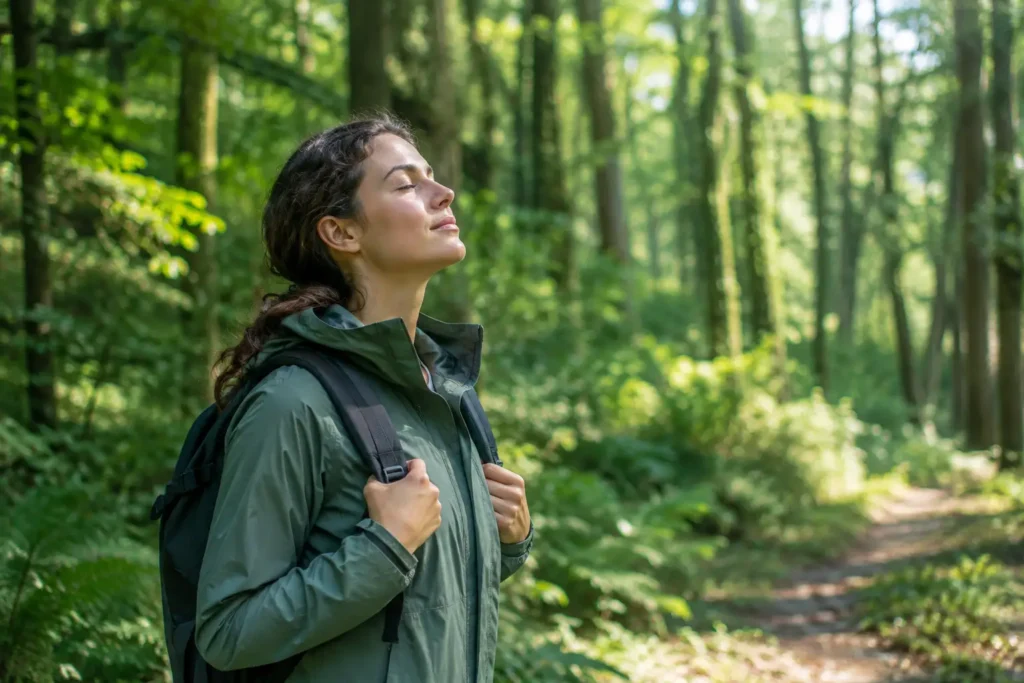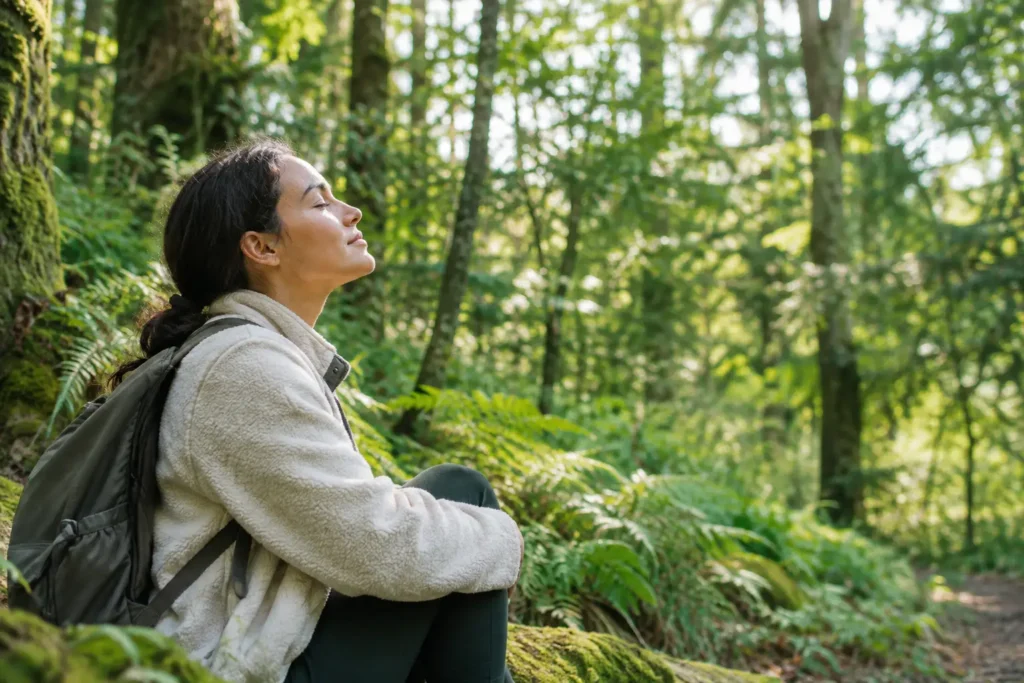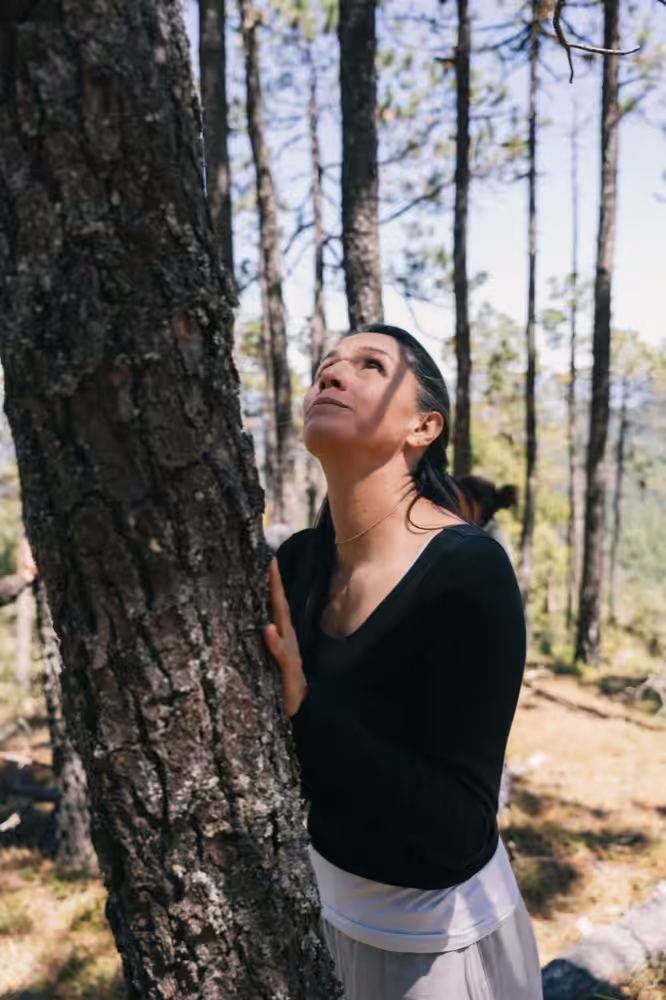
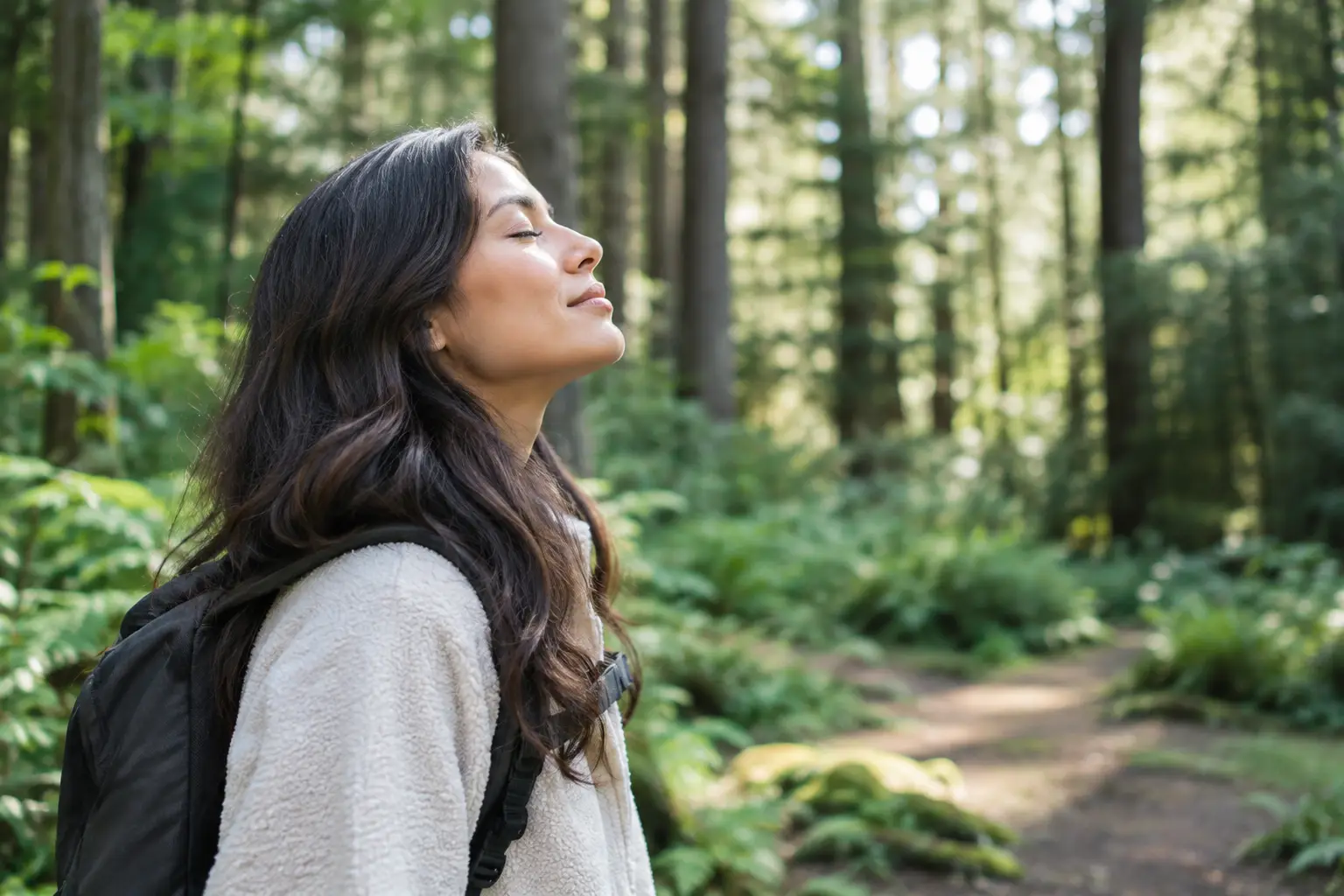
A forest does not ask you to achieve anything. It offers a slower rhythm: filtered light, uneven ground beneath your feet, the scent of rain on bark, and a soundscape that does not demand a response. Forest therapy is a structured way of meeting that experience with attention. Rather than treating a walk outdoors as another item on a wellness checklist, it invites you to pause, notice, and let nature support a return to calm.
For people balancing full schedules, constant screens, caregiving, or client-facing work, that pause can feel surprisingly unfamiliar. Yet the practice is accessible. You do not need athletic ability, wilderness skills, or a remote national forest to begin. What matters most is your willingness to move slowly and engage your senses with care.
What Is Forest Therapy?
Forest therapy is a mindful, sensory-based practice that fosters connection between people and the natural world. It is closely associated with Shinrin-Yoku, the Japanese practice often translated as forest bathing. The goal is not exercise, hiking distance, or identifying every plant along the trail. It is simply to be present in a living landscape.
A typical session may include a gentle walk, periods of stillness, sensory invitations, and time for quiet reflection. A trained guide may shape the experience through prompts such as noticing the many shades of green around you, feeling the texture of a fallen leaf, or listening for sounds near and far. These are invitations, not tests. There is no correct emotional response and no requirement to feel peaceful immediately.
Forest therapy also differs from spending time outdoors without intention. Both can be beneficial, but the practice adds a deliberate framework. By slowing down and placing attention on direct sensory experience, participants can step away from habitual problem-solving and reconnect with the present moment.
Why Time in Nature Can Change How You Feel
Modern life often keeps the nervous system on alert. Notifications, deadlines, noise, and long periods indoors can make it difficult to recognize when the body needs rest. Natural environments may help interrupt that pattern by offering a different kind of stimulation: rich enough to hold attention, yet generally less demanding than a busy digital or urban setting.
Research on nature exposure and forest bathing has associated time in green spaces with lower perceived stress, improved mood, and restored attention. Some studies also suggest that time among trees may support physiological markers connected to relaxation, including lower blood pressure and reduced stress-related activity. Results vary by person, setting, duration, health status, and study design, so forest therapy should not be presented as a cure for anxiety, depression, or any medical condition. It can, however, be a meaningful complementary practice within a broader plan for well-being.
The sensory dimension matters. Looking at a distant canopy gives the eyes a break from close-up screens. Natural sounds can soften the mental noise that follows a demanding day. Fresh air, changing temperatures, and the subtle movement of branches create conditions that bring attention back into the body. This is not about forcing the mind to become blank. It is about giving it something gentler to rest upon.
For wellness professionals, this distinction is especially valuable. A nature-based session can support clients who find seated meditation difficult, overly abstract, or inaccessible during periods of stress. The forest provides a shared point of focus, while the guide creates a safe, spacious container for experience.
How to Begin a Simple Forest Therapy Practice
Choose a place where you can feel reasonably comfortable and undisturbed for 20 to 60 minutes. A wooded trail is wonderful, but it is not the only option. A neighborhood park, botanical garden, tree-lined path, or quiet corner with several mature trees can work well. The quality of attention is often more influential than the size or remoteness of the landscape.
Before you begin, put your phone on silent and set aside any goal to cover a certain distance. Start by standing still for a minute. Feel your feet meet the ground. Notice your breathing without trying to change it. Then walk slowly enough that you can recognize details you might normally miss.
Let one sense guide you at a time. You might spend several minutes listening for layers of sound: birdsong, wind, leaves shifting, footsteps, distant traffic. Then bring attention to sight, noticing patterns of light and shadow or the lines in tree bark. If it is appropriate and permitted, gently touch a leaf, stone, or the trunk of a tree. Avoid picking plants, disturbing wildlife, or stepping off protected paths.
If thoughts about work or home arise, there is no need to push them away. Acknowledge them, then return to something tangible: the coolness of the air, the color of moss, the pace of your next step. This returning is part of the practice.
Toward the end, sit or stand quietly and ask yourself a simple question: What feels different now? The answer may be calm, spaciousness, fatigue, gratitude, or nothing obvious at all. Forest therapy is not a performance. Repetition builds familiarity, and familiarity can make it easier to access a grounded state over time.
Creating a Practice That Fits Real Life
A two-hour guided experience can be deeply restorative, but consistency does not require long sessions. A 15-minute visit to a nearby park before work may be more sustainable than waiting for the perfect free weekend. It depends on your schedule, access to green space, mobility, and the kind of support you need.
Try connecting the practice to an existing routine. You might take a slower route through a tree-lined block after lunch, spend five quiet minutes outside before opening your laptop, or replace one indoor meeting each week with a walking conversation in a calm outdoor setting. Small acts of attention can help nature become part of daily life rather than an occasional escape.
Weather is part of the experience, not always an obstacle. A cool, damp morning may heighten your awareness of scent and texture, while a bright afternoon may draw your attention upward into the canopy. Still, comfort and safety come first. Dress appropriately, bring water when needed, tell someone where you are going if you will be alone, and choose locations suited to your experience level. Those with health concerns should adapt the pace and terrain accordingly.
From Personal Practice to Professional Purpose
As interest in nature-based wellness grows, more coaches, yoga teachers, therapists, retreat leaders, and outdoor educators are looking for thoughtful ways to bring forest bathing into their work. A professional offering requires more than a love of trees. It calls for an understanding of practice principles, group facilitation, accessibility, ethics, risk awareness, and the difference between wellness guidance and clinical treatment.
Formal training can provide the structure to lead sessions responsibly and communicate their value with confidence. Treeming.org offers an accredited, self-paced Forest Bathing Guide Certification designed for those who want science-informed education alongside mindful, nature-centered facilitation. For practitioners, a recognized credential can help establish trust while creating a meaningful new service for clients and communities.
The work also carries an environmental responsibility. Forest therapy depends on healthy, protected natural spaces. Guides and participants can honor that relationship by following local regulations, practicing Leave No Trace principles, staying on designated trails where required, and supporting restoration efforts. Connection becomes more complete when care flows both ways.
A Different Measure of a Good Day
Forest therapy will not erase every pressure waiting for you at home or work. What it can offer is a reset in how you meet that pressure. After time spent noticing the quiet intelligence of a forest, the next task may still be there, but your body and attention may be less tightly wound around it.
The next time you pass a stand of trees, resist the urge to hurry by. Give yourself a few unclaimed minutes. Breathe, look closely, and let the natural world remind you that restoration can begin with one slower step.