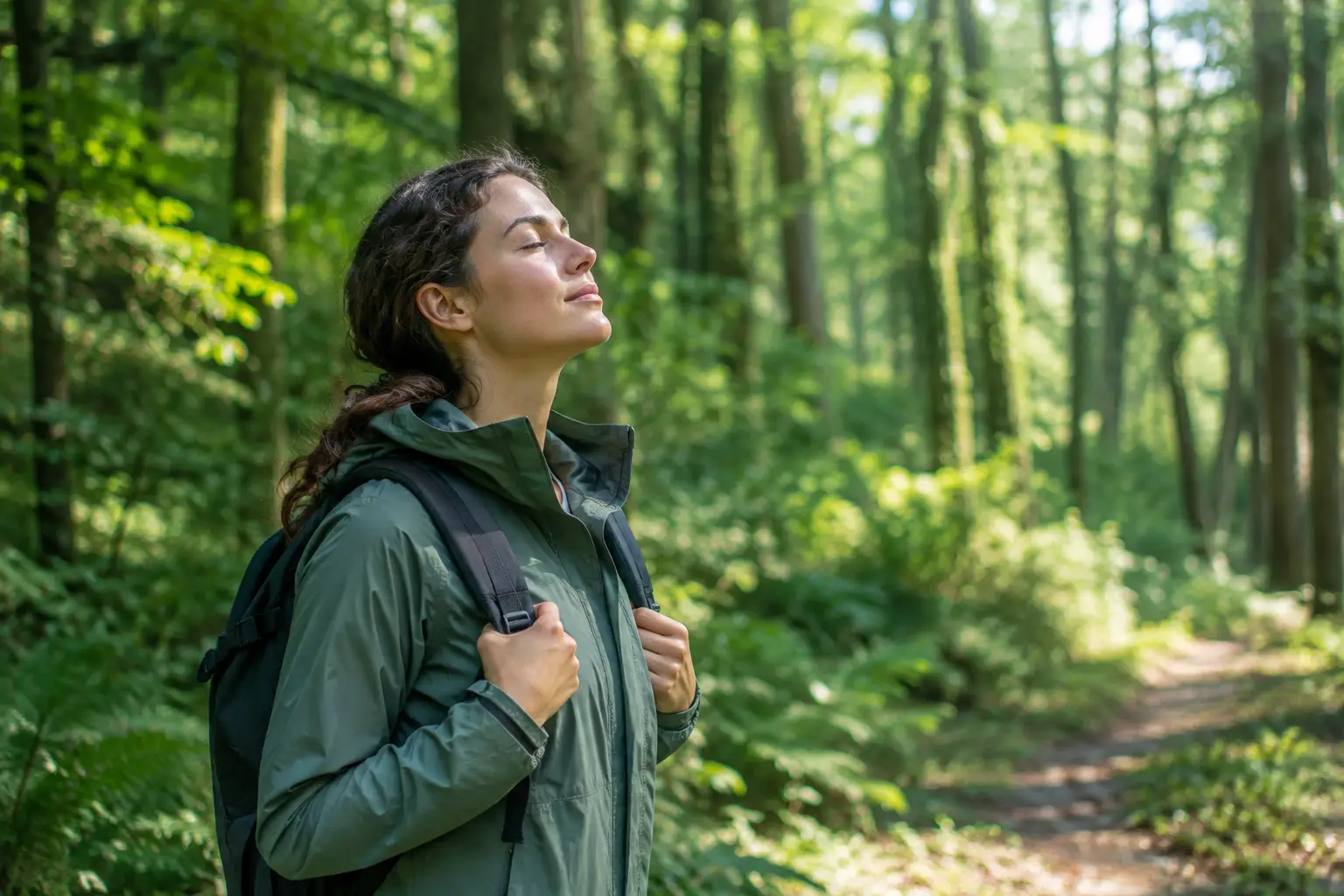
A quiet hour beneath a canopy can feel restorative. But turning that experience into a reliable personal practice, or a service you can confidently offer others, takes more than a walk in the woods. The best forest bathing courses provide a thoughtful structure for slowing down, engaging the senses, understanding the research, and creating safe, meaningful experiences in nature.
For many people, the appeal begins with stress relief. For wellness professionals, it may also begin with a practical question: can this become a credible addition to my work? A well-designed course should honor both motivations. It should leave you with a deeper relationship to nature and the knowledge to apply forest bathing with care, clarity, and purpose.
Forest Bathing Is More Than a Nature Walk
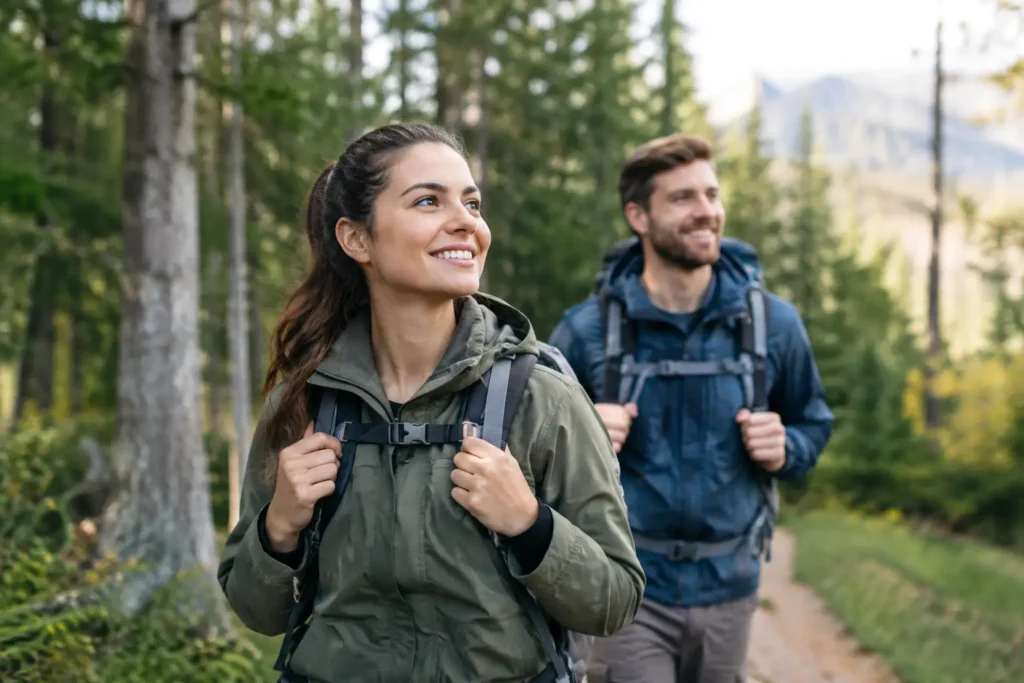
Forest bathing, often called Shinrin-Yoku, is the practice of mindfully immersing yourself in a natural setting. It is not about reaching a summit, tracking miles, identifying every plant, or completing a fitness goal. The emphasis is on presence.
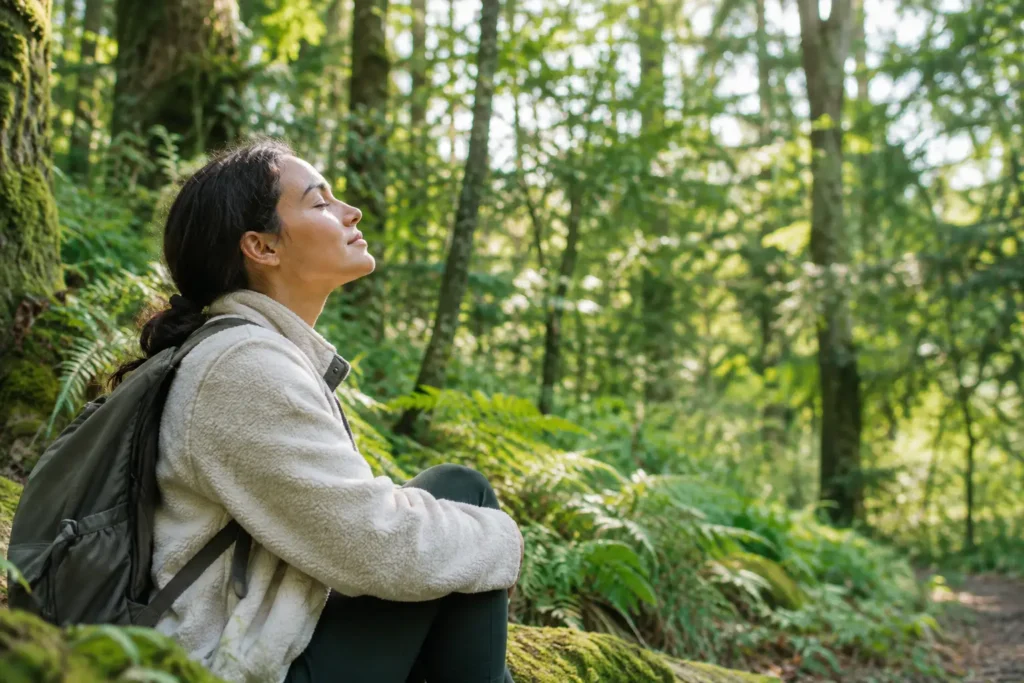
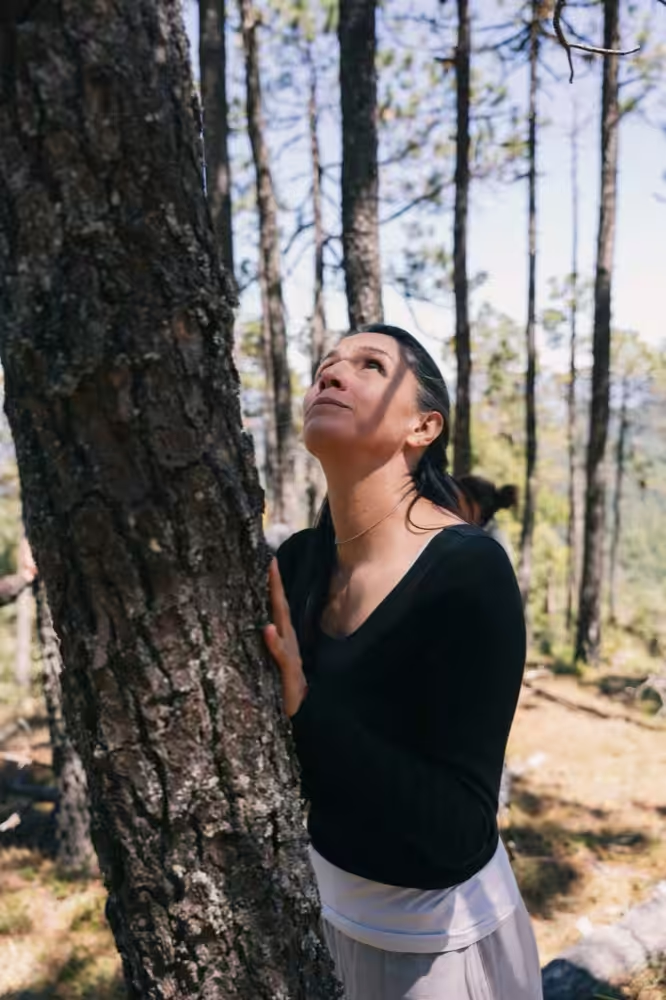
A session may invite you to notice the texture of bark, follow the movement of light through leaves, listen for the layers of sound around you, or pause long enough to sense your breath settling. These small invitations help shift attention away from constant mental demand and toward direct sensory experience.
That distinction matters when evaluating a course. A quality program teaches facilitation and mindful awareness, not simply outdoor leadership. Hiking expertise can be valuable, especially when planning routes and considering safety, but it is not the same as understanding how to guide a restorative, participant-centered nature experience.
Research into time spent in natural environments has associated it with lower perceived stress, improved mood, and greater attentional restoration. A responsible course presents this science clearly without treating forest bathing as a replacement for medical or mental health care. For people managing anxiety, burnout, or ongoing health concerns, nature-based practice can be a meaningful support alongside appropriate professional care.
Who Benefits From Forest Bathing Courses?
The right training can serve two distinct, sometimes overlapping goals. One is personal well-being. You may want a dependable way to step out of the pressure of work, screens, and schedules and return to a calmer state of attention. Structured learning can make the practice easier to sustain, particularly if you have tried mindfulness before but struggled to make it part of everyday life.
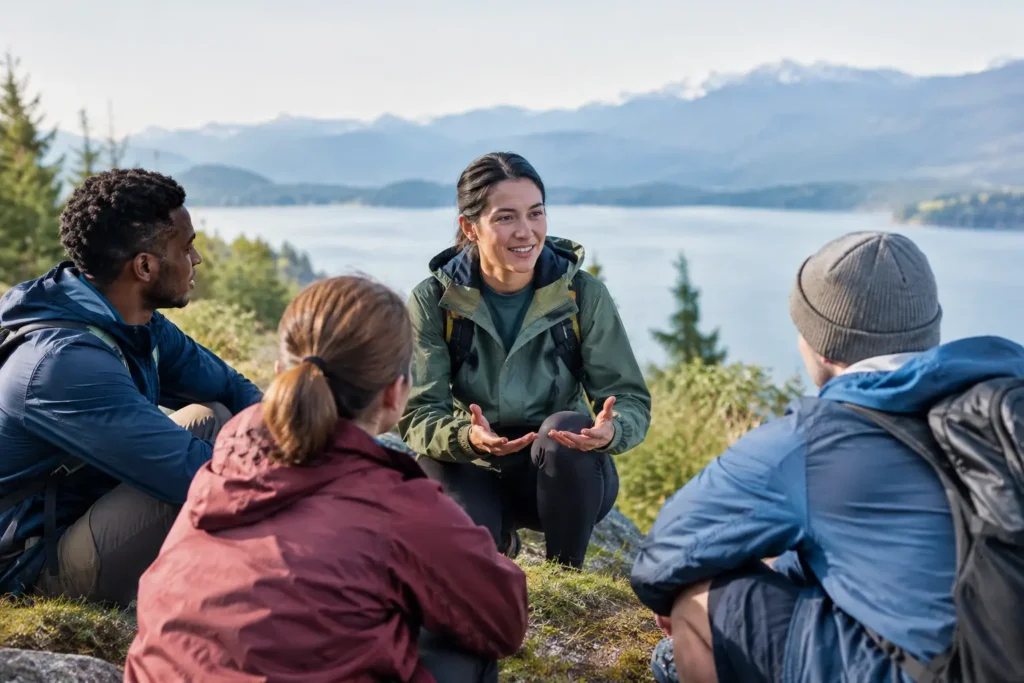
The other goal is professional development. Yoga teachers, coaches, therapists, retreat leaders, meditation instructors, and outdoor educators may want to offer guided sessions as part of an existing wellness practice. In that case, a course needs to go beyond personal reflection. It should address session design, group dynamics, ethical boundaries, accessibility, risk awareness, and how to communicate the practice accurately.
Neither goal is more valid. The key is choosing training that is honest about its intended outcome. A brief introductory class may be ideal for someone seeking a reset in their weekly routine. It may not be sufficient for someone who plans to work with paying clients or lead groups in public natural spaces.
What Strong Forest Bathing Courses Teach
The strongest programs balance inner experience with practical education. They explain why certain practices may support relaxation and attention, then give you opportunities to experience those practices for yourself. This combination matters because people do not guide presence effectively by memorizing a script. They need to understand the intention behind each invitation and develop their own grounded relationship with nature.
Look for a curriculum that includes the foundations of Shinrin-Yoku, sensory awareness practices, mindful pacing, and principles for creating invitations rather than demands. Good training also explores the difference between guiding and instructing. A guide does not tell participants what they must feel. Instead, they create a supportive container in which people can notice their own experience.
For professional learners, the curriculum should also cover how to structure a session from arrival through closing reflection. You should learn how to select an appropriate location, adapt to weather, welcome different comfort levels outdoors, and respond when a participant is distracted, emotional, or physically uncomfortable. These details are where a pleasant walk becomes a professionally held wellness offering.
Science should have a clear place in the material as well. Seek training that discusses stress physiology, attention restoration, and the growing body of nature and well-being research in accessible language. The goal is not to turn every guide into a scientist. It is to help you speak about potential benefits with accuracy, confidence, and appropriate care.
Accreditation and Recognition Matter for Professionals
If you intend to offer forest bathing as a paid service, accreditation or recognized professional standards can strengthen your credibility. A credential signals that your training followed a defined curriculum and was assessed against established expectations. It can also help prospective clients, retreat partners, and wellness organizations understand that your work is grounded in more than personal enthusiasm.
Still, credentials are only one part of readiness. Before enrolling, consider whether the program includes instructor expertise, clear learning outcomes, assessments, and guidance you can apply in real settings. Ask what the certification represents, what you will be able to do after completing it, and whether there are expectations for continued learning.
A certificate alone does not guarantee a thriving practice. Your communication skills, local knowledge, professionalism, and ability to make people feel welcome all matter. Yet credible training gives those strengths a reliable foundation.
Why Online Learning Can Be a Thoughtful Choice
Forest bathing is rooted in direct experience outdoors, so an online course may initially seem counterintuitive. In practice, self-paced online learning can be an excellent fit. It gives you time to study the principles, practice them in your own nearby green spaces, and return to lessons as your understanding develops.
Flexibility is especially valuable for busy professionals. Rather than traveling for a fixed training weekend, you can learn around client sessions, family commitments, or a demanding career. You can revisit a lesson before leading your first group, refine your approach after a personal practice, and progress at a pace that supports reflection instead of rushing.
The trade-off is that online learning requires personal follow-through. Choose a course with clear modules, practical exercises, expert-led instruction, and a defined pathway from study to application. A strong digital program should feel organized and supported, not like a collection of inspirational videos with no real direction.
Treeming.org offers this kind of self-paced, accredited forest bathing guide education with a science-informed curriculum designed for both personal growth and professional practice.
Questions to Ask Before You Enroll
Before selecting a program, take a moment to look beyond the promise of calm. Consider whether the training explains its methodology, identifies who teaches the material, and states what is included in the certification process. Review whether it addresses safety and professional scope, especially if you plan to guide groups.
It is also worth asking how the course approaches inclusion. Not everyone can access a remote forest, hike uneven terrain, or spend long periods outdoors. Thoughtful forest bathing education recognizes that nature connection can happen in parks, gardens, accessible trails, and even through close attention to a single living element. The practice becomes more meaningful when it is adaptable rather than exclusive.
Finally, consider the values behind the provider. Nature-based wellness should encourage respect for the places where it happens. Training that includes environmental stewardship, low-impact practices, and a genuine commitment to protecting natural spaces adds depth to the work. It connects personal restoration with care for the ecosystems that make restoration possible.
Bringing the Learning Into Your Life and Work
The most valuable course is one that changes what happens after the final lesson. For personal learners, that may mean a weekly hour without headphones or notifications, returning to the same local trail often enough to notice seasonal change. For professionals, it may mean beginning with small, carefully planned sessions before expanding into retreats or broader wellness offerings.
Start simply. Practice guiding yourself before guiding others. Notice which invitations genuinely help you slow down and which feel forced. Learn the character of your local natural spaces: where the ground is stable, where sound carries, where participants can pause comfortably, and what conditions require a different plan.
Forest bathing does not ask you to escape your life. It offers a way to meet it with steadier attention. Choose training that respects that simplicity while giving you the knowledge, confidence, and professional standards to carry the practice forward with care.