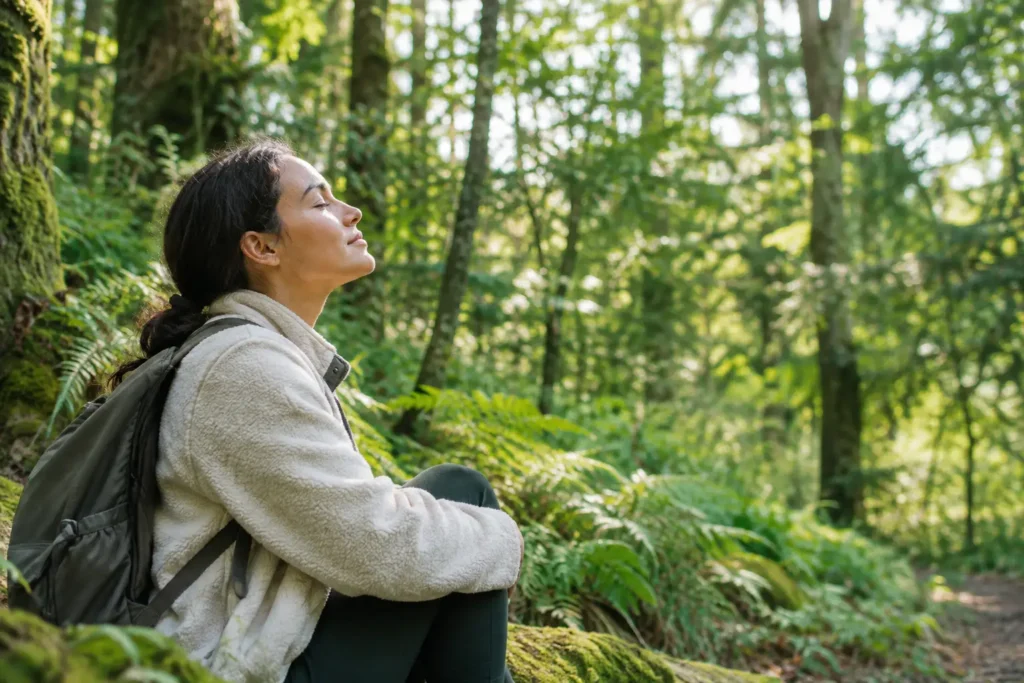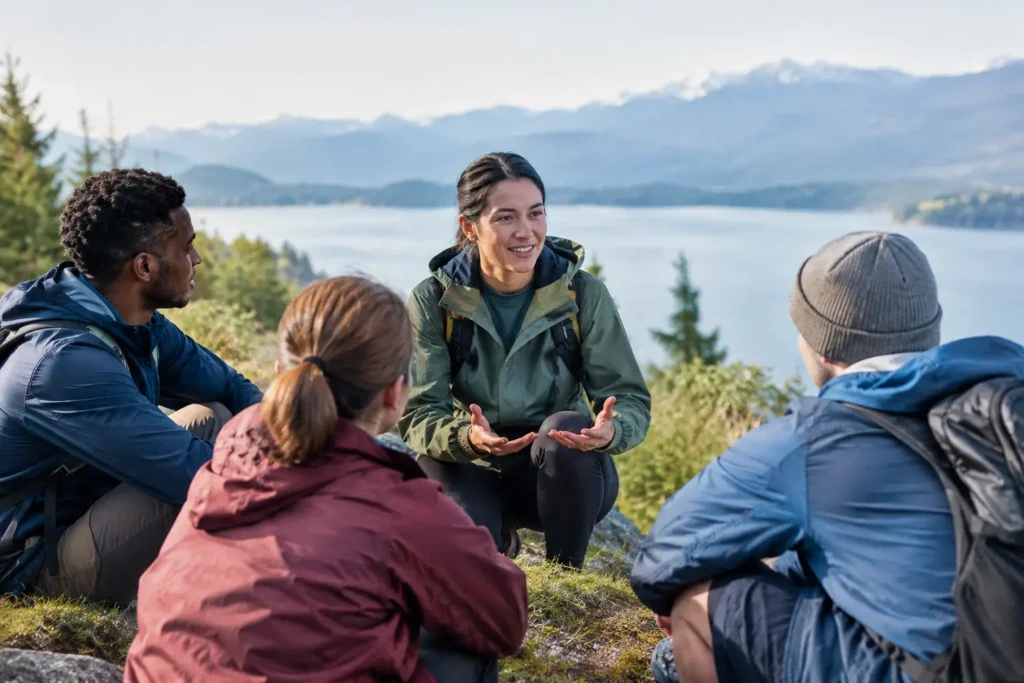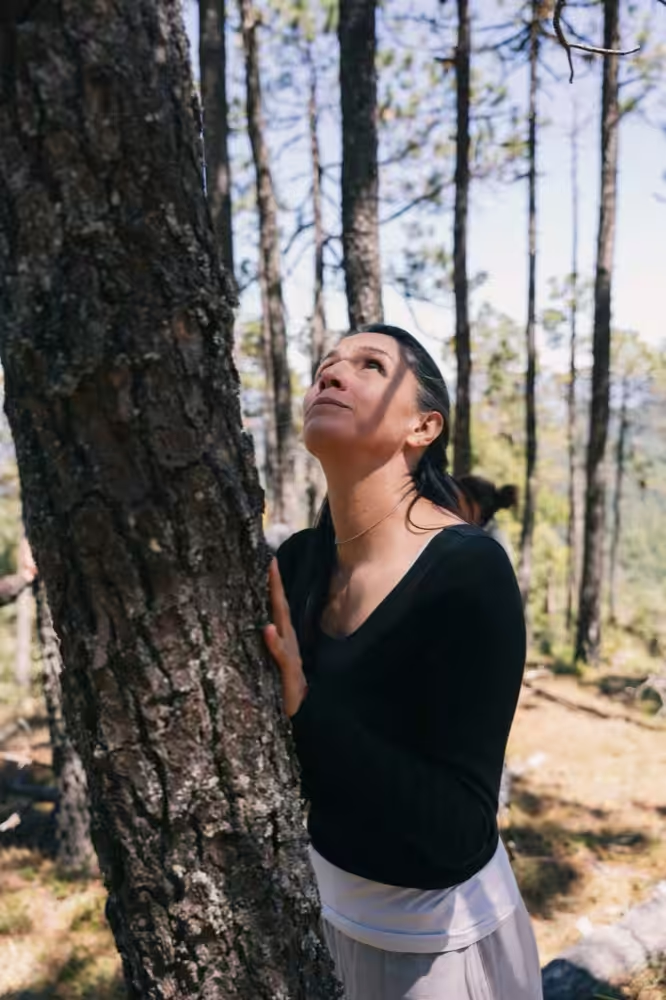

A meaningful online forest bathing training success story rarely begins with a plan to become a guide. More often, it begins with a familiar feeling: a busy professional, coach, teacher, or caregiver realizes that constant stimulation has crowded out quiet attention. A walk outdoors helps, but it does not yet feel like a practice. The turning point comes when that person learns how to slow down, engage the senses, and create restorative experiences in nature with intention.
For many learners, online training makes this transformation possible without requiring them to step away from work, family, or an existing wellness practice. The result is not simply a certificate. It is a more grounded relationship with nature, a clearer professional direction, and the ability to share a science-informed practice with others.
From Personal Stress to Purposeful Practice
Consider the experience of a wellness professional who already teaches yoga, meditation, or coaching. They may be skilled at holding space indoors but feel drawn to bring clients outside. At first, the idea can seem simple: take people for a walk in the woods. Yet forest bathing is not hiking, fitness training, or a lecture about plants. It is a guided invitation to reconnect with the living world through unhurried sensory awareness.
That distinction changes everything.
Before training, a practitioner may rely on instinct. They know nature calms them, but they may not know how to structure a session, explain its wellness relevance, adapt an invitation for different participants, or create appropriate boundaries. They may also hesitate to present forest bathing as a professional service because they lack a recognized framework behind their work.
A self-paced online program gives that instinct a foundation. Learners can study the origins of Shinrin-Yoku, explore research on stress reduction and mental well-being, and learn the principles that help a session feel spacious rather than scripted. They can return to a lesson after a long workday, practice an invitation in a nearby park, and reflect before moving forward.
For someone rebuilding a sense of calm, this flexibility is not a minor convenience. It is often what makes completion realistic.
Why Online Learning Can Create a Lasting Change
There is a reasonable question behind any online wellness certification: can a deeply sensory, place-based practice truly be learned through a screen?
The answer depends on what the learner expects. An online course cannot replace the sound of wind moving through pine needles or the feeling of cool ground beneath bare feet. Nor should it try. Its role is to provide the knowledge, structure, and guided preparation that help learners take their practice outdoors with confidence.
The strongest online learning experience combines clear instruction with field-based application. Rather than treating forest bathing as information to memorize, learners are encouraged to practice where they live. That might be a neighborhood green space, a local trail, a quiet garden, or a wooded park. The setting does not need to be remote or dramatic. What matters is attention, accessibility, and a respectful relationship with the place.
This is where a success story becomes credible. Progress is not measured by how many miles someone walks. It appears in subtler ways: noticing a pattern of light on leaves, allowing silence in a group, recognizing when a participant needs a gentler pace, or confidently explaining that forest bathing supports well-being without making medical promises.
An Online Forest Bathing Training Success Story in Practice
Imagine a mid-career mindfulness teacher named Elena. She has spent years leading indoor meditation classes and wants to offer something that helps clients feel less disconnected from themselves and their surroundings. Her schedule is full, and traveling for an in-person training is not practical. She enrolls in an accredited online forest bathing guide certification because she wants professional structure, not just inspiration.
Early in the course, Elena realizes that her own relationship with nature has become overly goal-oriented. Even her solo walks have been about steps, pace, and productivity. The training asks her to pause. She begins taking short, device-free visits to a nearby wooded area, using sensory invitations to notice sound, texture, scent, and movement.
Over time, she brings those invitations into her work. Her first sessions are small and carefully planned. She chooses an accessible location, communicates expectations clearly, and creates a slower rhythm than she initially thinks clients will tolerate. Some participants arrive restless. Others are skeptical that standing quietly near a tree can make a difference.
By the end of the session, the group is not transformed into a collection of serene forest mystics. That would be an unrealistic promise. But participants speak more softly. They notice details they had overlooked. One says it is the first time in weeks they have not felt pressured to perform or respond immediately.
Elena’s success is not based on a dramatic before-and-after moment. It is built through repeatable skills: preparing a safe experience, offering invitations rather than commands, honoring silence, and helping participants reconnect with their own capacity for presence. Her training gives her language for what she is doing and a credential that supports her professional credibility.
What Makes Professional Progress Different
Personal renewal and professional growth often develop together, but they are not the same outcome. A person can benefit greatly from forest bathing without wanting to guide anyone else. Others may be ready to integrate the practice into coaching, retreats, employee wellness programs, yoga offerings, or outdoor education.
For aspiring guides, certification matters because clients and collaborators look for signs of thoughtful preparation. An accredited program signals that a guide has studied more than a trend. It demonstrates commitment to ethical facilitation, informed practice, and a method that can be communicated clearly.
At Treeming.org, the training model is designed for this balance. Learners receive a 100% online, self-paced path while engaging with a curriculum grounded in forest bathing principles, modern wellness research, and professional guide development. Accreditation adds meaningful reassurance for those who want to offer sessions as part of a paid practice.
Still, a certificate alone does not create a thriving service. Guides need to consider their local environment, ideal participants, insurance and business requirements, accessibility, and how forest bathing fits their existing expertise. A therapist, for example, should remain within the scope of their credentials. A coach may frame sessions around mindful connection and stress support rather than clinical treatment. Clear boundaries protect both the guide and the people they serve.
The Quiet Skills That Shape Better Sessions
The most valuable skills developed through forest bathing training are often the least flashy. They are the skills that help people feel welcome, unhurried, and free from judgment.
A capable guide knows when to speak and when to allow the forest to be the teacher. They create invitations that leave room for individual experience. They plan for practical realities, including weather, trail conditions, group size, mobility needs, and emotional comfort. They understand that a participant may connect deeply on one day and feel distracted on another.
This humility is central to the practice. Forest bathing is not about forcing relaxation or producing a guaranteed emotional result. It is about offering conditions that may support restoration, attention, and connection. The evidence-informed framing matters, but so does honesty about individual differences.
That approach can make a guide more effective in every area of wellness work. Clients often remember not only what they were told, but how they felt in the space that was created for them.
Success That Extends Beyond the Individual
There is another dimension to a meaningful training journey: stewardship. Learning to guide others into nature carries an invitation to care for the places that make the practice possible. Responsible guides follow local guidelines, avoid disturbing wildlife, respect private and culturally significant land, and encourage participants to leave natural spaces as they found them.
This is especially relevant for wellness professionals whose work depends on healthy, accessible green spaces. Forest bathing can encourage appreciation, but appreciation should lead to responsibility. Supporting reforestation and environmental care gives the practice a wider purpose beyond personal calm or business growth.
The strongest success stories hold both truths at once. A learner may gain confidence, income potential, and a new service offering. They may also become more attentive to the land, more committed to protecting it, and more capable of helping others feel that connection.
A forest bathing training journey does not require a perfect forest, a perfect schedule, or a perfectly quiet mind. It asks for willingness: willingness to learn, to practice slowly, and to let nature become part of how you care for yourself and others.