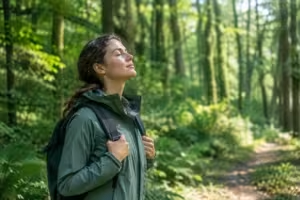
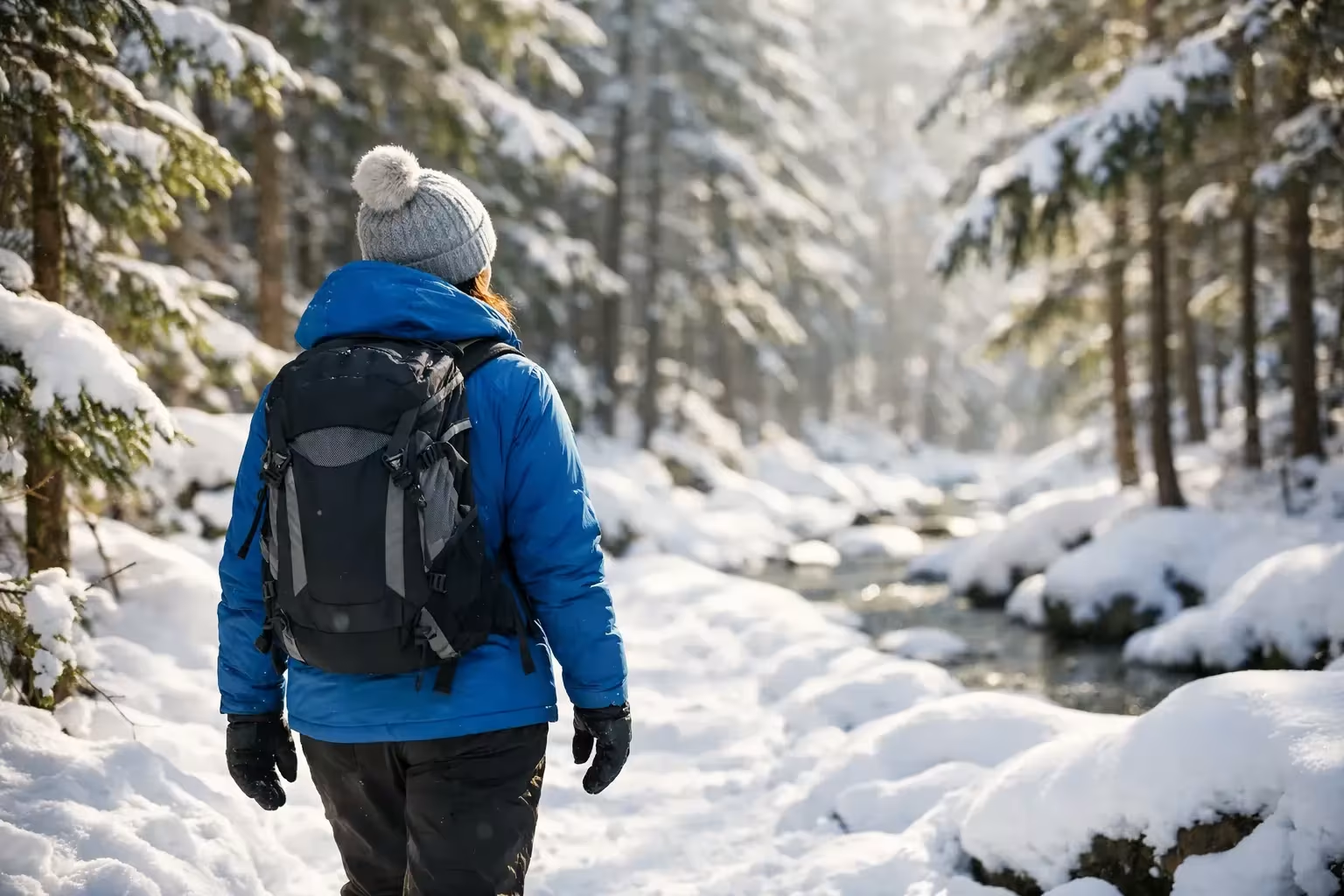
A quiet winter forest asks for a different pace. Snow softens the ground, bare branches reveal new patterns, and the air can feel startlingly clear. Yet forest bathing in winter safety and comfort begin before you reach the trailhead. When your body is warm, nourished, and prepared for the conditions, cold-weather practice can become a deeply restorative way to meet nature.
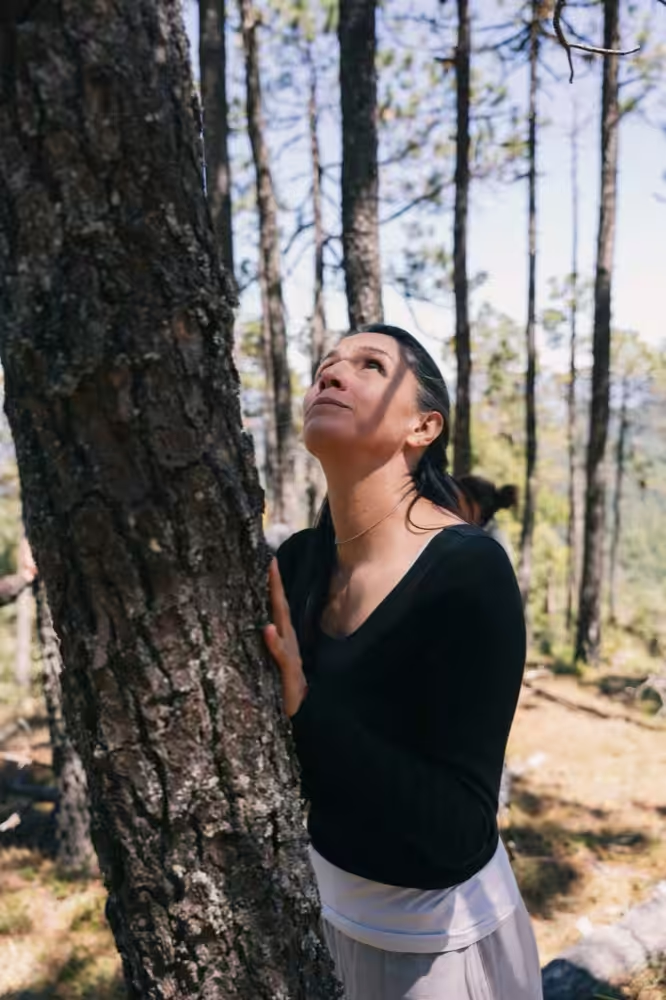
Forest bathing, or Shinrin-Yoku, is not a test of endurance or a winter hike measured in miles. It is a mindful, sensory practice of being present with the living world. In winter, that may mean standing beneath a pine tree for several minutes, listening to meltwater move beneath ice, or noticing the contrast between warm breath and cold air. The goal is not to push through discomfort. It is to create enough physical ease that your attention can settle.
Forest Bathing in Winter: Safety and Comfort Start With Planning
Winter conditions can change rapidly, even on familiar trails. Check the forecast shortly before leaving, including wind chill, precipitation, sunset time, and the possibility of icy roads. Choose a location that matches the day rather than forcing a plan. A sheltered woodland close to home may offer a more meaningful experience than an exposed trail that requires difficult travel.
For a personal practice, let someone know where you are going and when you expect to return. Keep your route simple, especially if snow, ice, or early darkness could make navigation harder. If you guide others, establish a clear turnaround time, identify a warm-up option nearby, and be ready to shorten or relocate the session without apology.
This flexibility is a professional skill, not a compromise. A skilled forest bathing guide reads conditions with the same care they bring to invitations, pacing, and group wellbeing. Nature connection does not require a dramatic setting. It requires presence and an environment where participants can remain safe enough to receive the experience.
Know When to Reschedule
Some winter days are better enjoyed from a window, porch, or nearby park edge. Consider postponing outdoor forest bathing when there are dangerous wind chills, lightning, severe ice, poor visibility, active storm warnings, or trail closures. Remote areas also carry additional risks when temperatures are low and help is far away.
Personal health matters, too. People with heart or respiratory conditions, circulation concerns, a history of cold injury, or other health considerations should seek individualized medical guidance before spending extended time outdoors in cold weather. Forest bathing can support wellbeing, but it should not replace medical care or override your body’s signals.
Dress for Stillness, Not Just Movement
A common winter mistake is dressing for the walk from the parking area rather than the slower pace of forest bathing. Walking generates heat. Standing quietly, sitting on a log, or moving at a contemplative pace does not. Your clothing plan should anticipate periods of stillness.
Start with a moisture-wicking base layer that draws perspiration away from your skin. Add an insulating middle layer, such as fleece or wool, and finish with an outer layer suited to wind, snow, or light rain. Cotton is usually less helpful in cold, damp conditions because it can hold moisture and make the body feel colder.
Protecting hands, feet, ears, and neck often makes the greatest difference. Wear warm socks with footwear that has reliable traction and enough room to avoid compressing circulation. Bring insulated gloves or mittens, a warm hat, and a neck gaiter or scarf. In icy conditions, traction devices designed for footwear can provide stability, but they should be used thoughtfully and according to the terrain.
A small sit pad or folded blanket is an understated but valuable addition. It allows you to pause on a bench, rock, or fallen log without losing body heat to the ground. For longer sessions, pack an extra dry layer, hand warmers if appropriate, water, and a warm drink in an insulated bottle.
The right gear should support awareness, not become a distraction. There is no need to purchase specialized equipment for every outing. Begin with what you have, learn where you tend to get cold, and refine your approach over time.
Let the Winter Forest Set the Pace
In warmer months, forest bathing invitations may include slow wandering, barefoot contact with the earth, or extended seated practice. Winter calls for different choices. The ground may be slippery, covered in snow, or too cold for stillness without extra insulation. Respecting these realities allows the practice to remain welcoming.
Try shorter sensory invitations. Spend a few minutes noticing the shapes of trees against the sky. Listen for the difference between wind moving through evergreen needles and bare hardwood branches. Observe tracks in snow without needing to identify every animal. Cup your hands around a warm drink and notice its heat, aroma, and weight.
Winter also offers a powerful lesson in attention without abundance. A quiet forest may appear dormant, but it is not empty. Buds are forming, soil organisms remain active, birds are finding food, and trees are conserving energy. This subtle landscape can help shift the mind away from constant stimulation and toward a more spacious form of noticing.
There is no prize for staying outside longer than feels good. A 20-minute practice with genuine presence may be more beneficial than an hour spent shivering and watching the clock. If your focus narrows around cold, numbness, or worry, take that as useful information. Walk a little, add a layer, return to the car, or complete your reflection indoors.
Use the Senses With Care
Winter sensory practice should be gentle and low-impact. Avoid tasting plants, berries, ice, or snow unless you can identify them with certainty and know they are safe. Do not rely on frozen water sources for drinking. Bring your own water, since cold air and physical activity can still contribute to dehydration.
Touch can be meaningful, but be mindful of cold surfaces and fragile habitats. Place a gloved hand on tree bark, feel the texture of a pinecone, or notice the firmness of frozen ground beneath your boots. Leave plants, nests, fungi, and animal shelter undisturbed. A respectful forest bathing practice recognizes that tranquility for people should not come at the expense of wildlife.
Watch for Early Signs of Cold Stress
Cold discomfort is not always obvious at first. Shivering, numb fingers or toes, clumsiness, confusion, fatigue, pale or waxy-looking skin, and unusual drowsiness are signals to take seriously. Move to warmth promptly if symptoms develop. Remove wet clothing when possible, add dry layers, and seek medical attention for concerning or persistent symptoms.
Guides should normalize speaking up. Participants may hesitate to mention that they are cold because they do not want to disrupt the group. Set an expectation at the beginning that warmth breaks are part of the practice. Invite people to adjust layers, move their bodies, or step out early if needed. Consent includes the freedom to change one’s mind when conditions shift.
For groups, avoid long periods of inactivity in exposed places. Build in gentle movement between invitations and choose locations with natural wind protection. Keep the group size and route manageable. A forest bathing session is not improved by complexity. Clear boundaries, calm communication, and thoughtful pacing create the conditions for meaningful connection.
Bring Winter Practice Home With You
Not every winter day will support time in the woods, and that does not end your relationship with nature. Sit near a window and observe changing light on branches. Bring evergreen clippings or a fallen pinecone indoors and spend a few quiet minutes with their texture and scent. Visit a local tree during a lunch break, even if your practice lasts only ten minutes.
For aspiring guides and wellness professionals, winter is also an opportunity to deepen your understanding of adaptive facilitation. A science-informed forest bathing practice is responsive rather than rigid. Treeming.org’s approach to guide education emphasizes the knowledge, structure, and stewardship needed to create experiences that honor both human wellbeing and the natural places that hold us.
The winter forest does not ask you to prove your toughness. It offers an invitation to prepare with care, arrive with humility, and notice what becomes available when you are warm enough to be fully present.