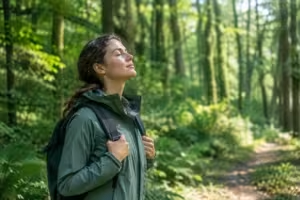
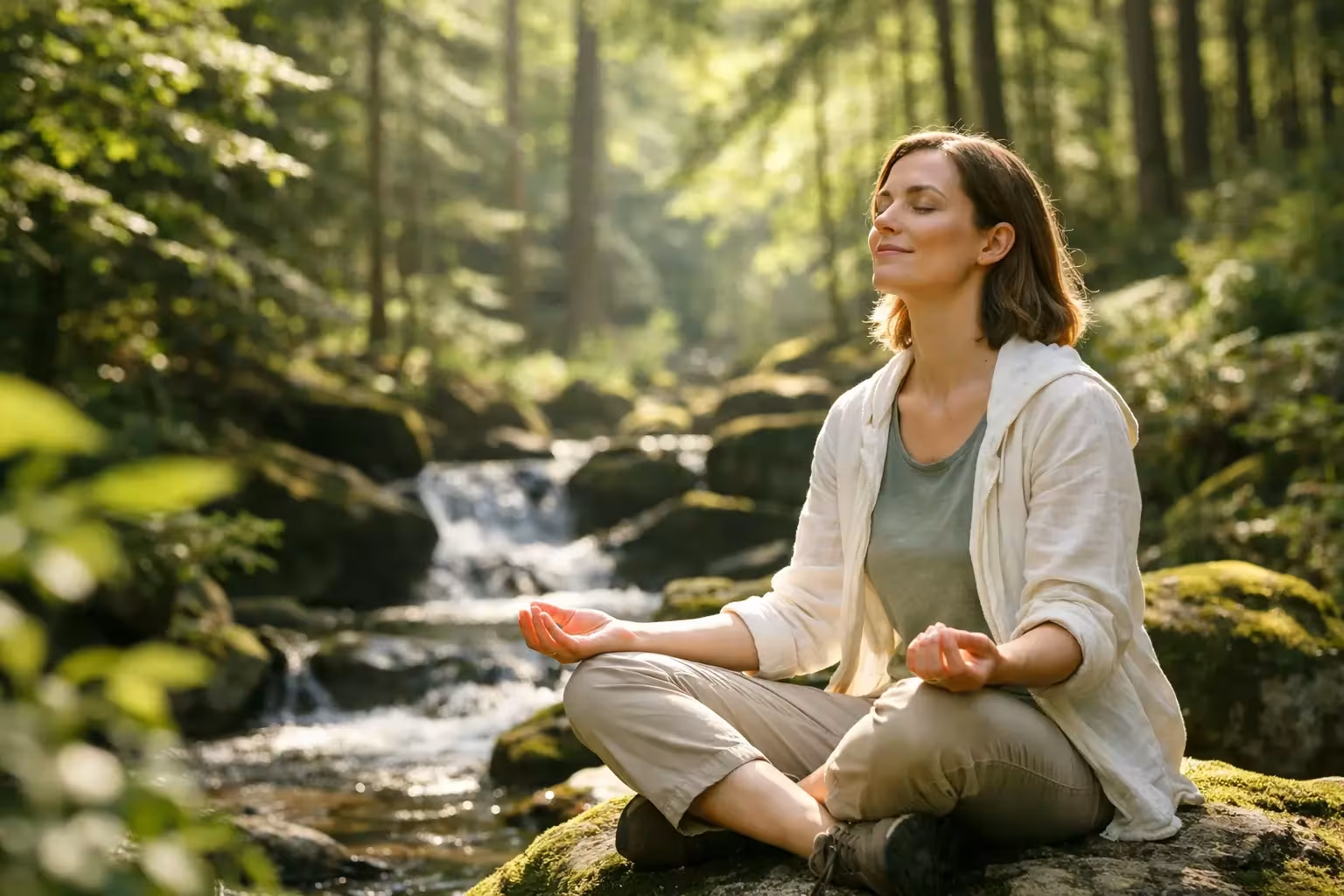
A crowded room can linger in the body long after you leave it. Bright lights, overlapping conversations, a demanding inbox, and constant urgency can leave highly sensitive people feeling depleted rather than merely tired. Forest bathing for highly sensitive people offers a different kind of environment: one where attention can soften, the nervous system has fewer demands to process, and nature provides a steady invitation to return to the present moment.
High sensitivity is not a flaw to overcome. It is a trait often associated with deeper processing of sensory and emotional information. That depth can support empathy, creativity, and careful observation. It can also mean that an ordinary day feels unusually full. A slow, intentional practice in a natural setting can create valuable space between stimulation and response.
Why nature can feel restorative for sensitive nervous systems
Forest bathing, also known as Shinrin-Yoku, is the practice of mindfully immersing yourself in a natural setting. It is not a hike with a fitness goal, nor is it a test of outdoor endurance. The focus is sensory awareness: noticing texture, light, sound, scent, temperature, and the changing shapes of the living world around you.
For a highly sensitive person, this distinction matters. Many everyday spaces demand rapid filtering. Traffic, screens, notifications, artificial light, and social expectations compete for attention at once. Natural environments can still contain stimulation, but it is often less abrupt and more patterned. Wind moves through leaves. Birdsong rises and fades. Water follows a rhythm. These softer inputs may make it easier to rest attention rather than defend it.
Research on time in green spaces and nature-based mindfulness points to potential benefits for stress, mood, and attention restoration. Individual experiences vary, and forest bathing is not a replacement for mental health care when support is needed. Still, many people find that a regular, gentle relationship with nature becomes a practical part of their wider well-being routine.
Forest bathing for highly sensitive people starts with less
A common mistake is assuming that a meaningful nature practice requires a remote forest, several free hours, or perfect quiet. For sensitive people, an ambitious plan can become another source of pressure. The most supportive practice is usually the one that respects your current capacity.
Choose a place that feels emotionally and physically manageable. This may be a quiet botanical garden, a neighborhood trail at an uncrowded time, a wooded park, or even a familiar tree-lined path. A dramatic landscape is not required. What matters is enough natural presence to help your attention settle.
Begin with 20 to 40 minutes. Leave room for a slow arrival. Before walking, stand still and notice whether your body feels rushed, guarded, foggy, or energized. There is nothing to fix. This simple check-in helps you choose a pace that supports you rather than pushing you through another task.
Let one sense lead
Highly sensitive people can become overwhelmed when asked to notice everything at once. Instead of opening every sensory channel, choose one gentle anchor. You might follow the many shades of green in front of you, listen for the farthest natural sound you can hear, or feel the temperature of the air on your hands.
Stay with that one sense for several minutes. If your mind moves toward planning or self-criticism, return to the invitation without judgment. The purpose is not to empty your mind. It is to give your attention somewhere kinder to rest.
As you become more settled, you may naturally notice more: the roughness of bark, a pattern of moss, the scent released after rain. Let these details arrive rather than hunting for them. Forest bathing works best when it feels receptive, not performative.
Create boundaries that protect the experience
Nature is restorative for many people, but not every outdoor setting is calming. A busy trail, barking dogs, insects, heat, unfamiliar terrain, or concerns about personal safety can add strain. Honoring those realities is part of an intelligent practice, not a failure of mindfulness.
Plan for comfort before you go. Wear layers, bring water, and choose footwear that lets you walk without distraction. If unpredictable sounds are difficult, visit during quieter hours. If being alone feels uneasy, bring a trusted companion who understands that silence is welcome. You can also remain close to a trailhead or choose a park with visible paths and facilities.
Your phone deserves a thoughtful decision, too. Turning it fully off may feel freeing for one person and unsafe for another. Consider placing it on silent mode, keeping it available for practical needs, and resisting the urge to document every moment. A photo can be meaningful, but constant capture can keep the mind outside the experience.
For some sensitive people, the most powerful boundary is permission to leave early. If you arrive already overstimulated, if the trail is unexpectedly crowded, or if your body signals that it has had enough, you can go home. A 12-minute practice that ends with more ease is more valuable than an hour spent overriding yourself.
A gentle three-part practice
A structured sequence can help when your mind is busy or you are new to forest bathing. Try this approach during your next visit.
First, arrive. Stand or sit near a tree, bench, or patch of grass. Take a few unforced breaths and feel the support beneath your feet or body. Look around slowly. Name three things that appear stable and safe in your immediate surroundings.
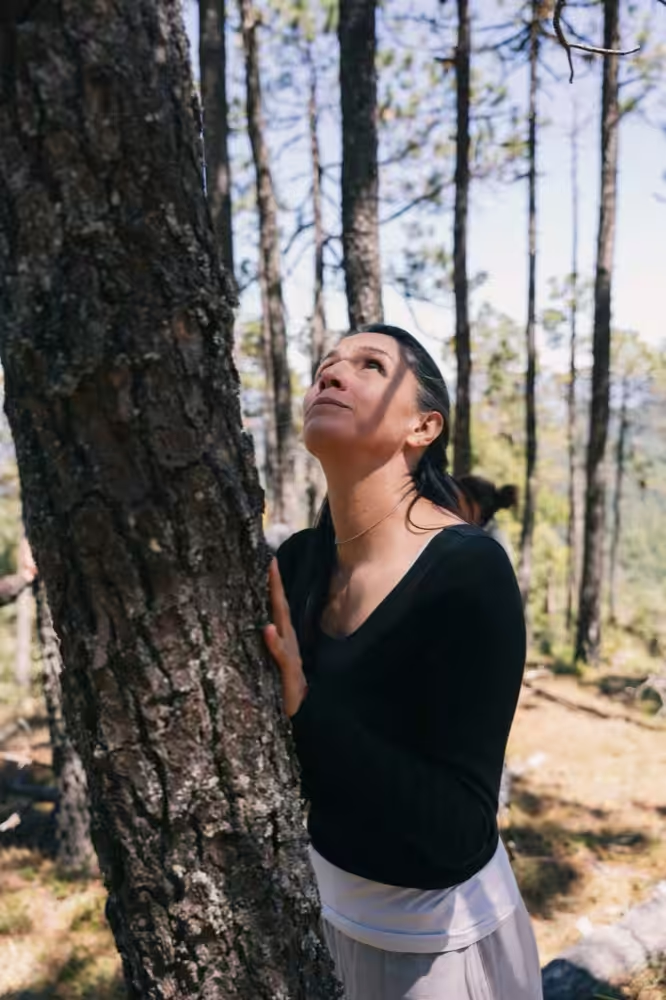
Next, wander. Move at a pace that feels almost too slow. Let curiosity guide you toward a leaf, stone, beam of sunlight, or sound. Pause often. You do not need to cover distance. If you feel called to sit, sit. If you want to place a hand on a tree or touch the ground, do so with respect for the place and its living systems.
Finally, receive. Before leaving, choose one moment from the experience to carry with you: a birdsong, a color, the feeling of cool shade, or the sight of branches moving overhead. This is not a forced gratitude exercise. It is a way of recognizing that restoration can be specific, sensory, and real.
When quiet is not immediately relaxing
Stillness can feel unfamiliar when you have spent years managing demands and anticipating other people’s needs. Some highly sensitive people find that the first few minutes outdoors bring up restlessness, sadness, or a flood of thoughts. That response does not mean the practice is wrong for you.
Try adding gentle movement. Walk slowly, sway with your breath, or trace the outline of a leaf with your eyes. A simple sensory task can make quiet feel less exposed. If difficult emotions continue or feel unmanageable, consider speaking with a qualified mental health professional. Forest bathing can be a supportive practice alongside care, but it should not carry the entire weight of healing.
It also helps to release the expectation that every visit will feel peaceful. Some days you may feel deeply renewed. Other days you may simply notice that your shoulders dropped for two minutes. Both are meaningful. Sensitive nervous systems often benefit from consistency more than intensity.
Build a practice that fits your life
The lasting value of forest bathing comes from repetition. A weekly 30-minute visit may be more supportive than an occasional all-day outing that requires extensive planning. Keep the ritual simple enough that it can remain part of a full working life.
You might visit the same place through changing seasons and notice how familiarity deepens perception. You may keep a brief journal afterward, recording one sensory detail and one change in how you feel. Or you may prefer no record at all. The right practice is the one that leaves you feeling more connected to yourself and more respectful of the natural world.
For wellness professionals, understanding sensitivity can also strengthen the way you guide others outdoors. A well-held forest bathing session includes choice, pacing, clear boundaries, and invitations rather than demands. Treeming.org’s forest bathing education emphasizes this mindful, science-informed approach to creating experiences that are both restorative and professionally grounded.
The next time the world feels too loud, do not ask yourself to become less sensitive. Find a patch of nature, slow down enough to notice one living detail, and let that small encounter remind you that sensitivity can also be a way of belonging.