
A forest bathing certification online can be more than a calming personal-development course. For a coach, yoga teacher, therapist, retreat leader, or outdoor educator, it can provide the structure to turn a meaningful relationship with nature into a safe, thoughtful professional offering. The question is not simply whether you can study forest bathing from home. It is whether the program prepares you to hold restorative experiences for other people with confidence, care, and credibility.
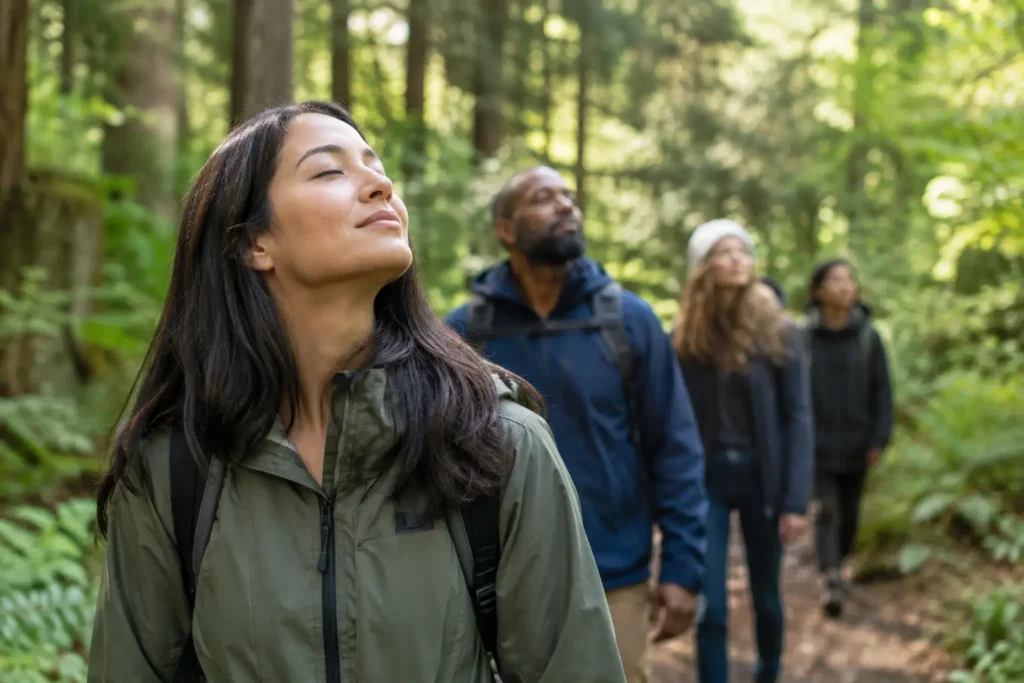
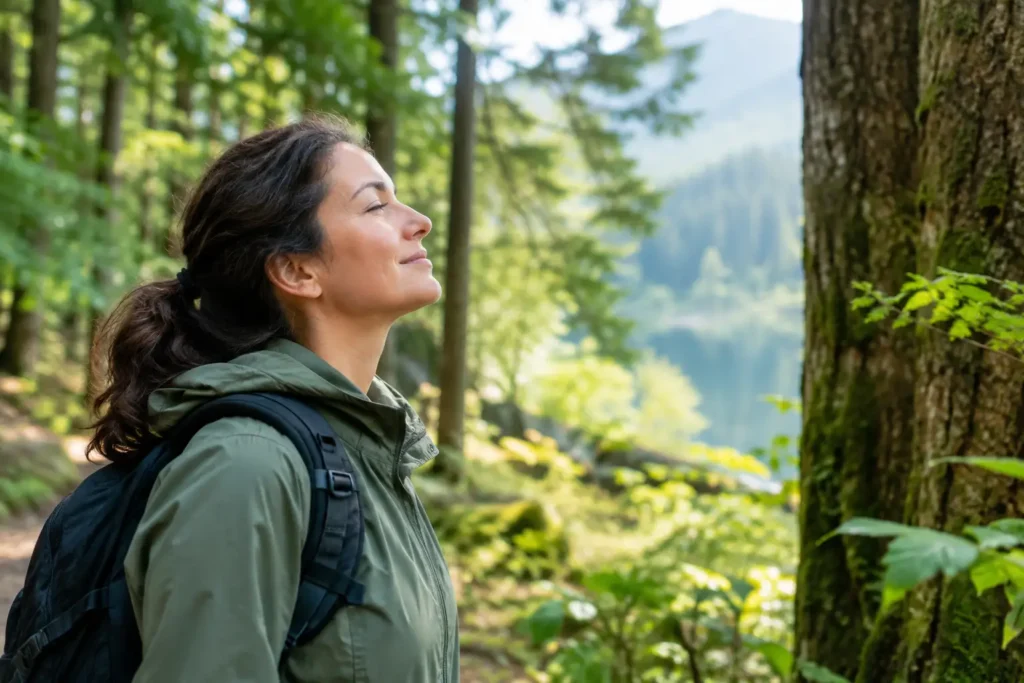
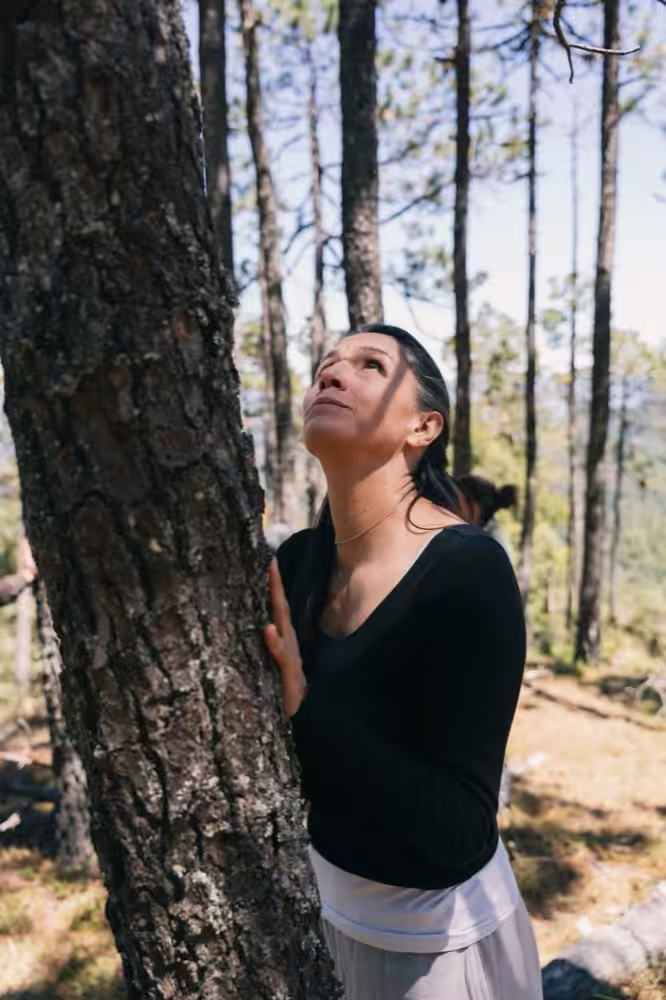
Forest bathing, also known as Shinrin-Yoku, invites people to slow down and engage their senses in a natural setting. It is not a hike with a wellness label, and it is not a fitness challenge. A well-guided session creates space for participants to notice the texture of bark, the movement of light, the scent of soil, and the rhythm of their own breathing. That simplicity is part of its power, but guiding it well requires more than a love of the outdoors.
What a Forest Bathing Certification Online Should Teach
A quality online certification should bring together the contemplative roots of forest bathing and the research that helps explain its relevance to modern wellbeing. Participants often seek nature-based practices because their lives are crowded with notifications, deadlines, caregiving responsibilities, and persistent stress. A guide needs to understand how to offer a slower, more grounded alternative without making promises that exceed their scope of practice.
The strongest training programs teach the principles behind sensory awareness, mindful pacing, invitation-based facilitation, and reflective sharing. They also address the science commonly associated with time in nature, including stress reduction, attention restoration, and emotional wellbeing. Scientific framing matters, particularly for professionals who want to speak responsibly with clients, organizations, and healthcare-adjacent partners.
Just as important, a certification should clarify what forest bathing is not. It does not replace mental health treatment, medical care, or emergency support. Guides should know when a participant needs additional help and how to avoid presenting a nature session as a cure. This boundary protects participants and strengthens your professionalism.
Online learning can support real-world practice
Some people hesitate over online training because forest bathing happens outdoors. That is a reasonable concern. No screen can substitute for the quiet shift that occurs when someone pauses beneath a canopy and listens without trying to achieve anything.
Yet the educational components of guiding can be learned effectively online. A self-paced course allows you to study facilitation methods, research, ethics, group design, and business foundations around work and family commitments. You can revisit lessons, reflect on your own practice, and complete assignments in local green spaces rather than traveling to a single training location.
The trade-off is personal responsibility. Online learning works best when you take the practice outdoors often, not only when you complete a module. Look for training that encourages field-based exercises and offers clear guidance for translating course material into live sessions. If your goal is to lead groups, practice speaking invitations aloud, observing group energy, and adapting to changing conditions such as weather, noise, accessibility needs, or a participant who feels uncomfortable with silence.
How to Choose a Forest Bathing Certification Online
Credentials vary widely in the wellness field. A beautiful website or a long course outline does not automatically mean the program is professionally recognized. Before you enroll, examine how the training establishes its standards and whether it fits the work you intend to do.
Accreditation or recognition from an established professional body can be a meaningful signal. It shows that a program has been evaluated against defined educational expectations. For professionals building a paid service, this may also help when explaining their preparation to clients, retreat partners, or wellness organizations. Accreditation is not a replacement for experience, but it gives your training a clearer foundation.
Consider the curriculum with equal care. A useful program should cover forest bathing philosophy and evidence-informed benefits, but it should also prepare you for practical decisions. How do you select an appropriate site? How do you welcome a mixed group of beginners? How do you create invitations instead of instructions? What do you do if rain begins, a trail becomes inaccessible, or someone needs to leave early?
A professional guide course should also include ethical facilitation. This means respecting privacy, avoiding coercive sharing, using inclusive language, and recognizing that access to nature is not the same for everyone. A wooded trail may be restorative for one person and physically or emotionally difficult for another. Good guidance creates options rather than assumptions.
Finally, consider the learning format honestly. Self-paced education is ideal for many busy adults, but some learners want direct feedback or a peer community. Others need a program they can begin immediately and complete on their own timeline. Neither preference is wrong. The best choice is the one that gives you enough support to practice consistently and finish what you start.
From Personal Practice to Professional Offering
Many future guides begin with a personal reason. They may have noticed that a slow walk through a local park helps them think more clearly after a demanding week. They may want to share a more spacious form of mindfulness with clients who struggle to sit still. That personal connection matters because participants can sense when a guide is genuinely at ease with the practice.
Professional readiness asks for another layer. You need to design a coherent experience, communicate its purpose clearly, manage time, and create a welcoming atmosphere for different personalities. A session may include a gentle arrival, several sensory invitations, periods of quiet wandering, and an optional closing reflection. The guide is not there to perform nature for the group. The guide protects the conditions in which people can notice their own experience.
Start simply after certification. Offer a few practice sessions for friends, colleagues, or a small community group. Choose a familiar location with manageable terrain and a clear meeting point. Notice what questions arise and where your instructions become too complex. Your first sessions do not need to be elaborate. They need to be safe, calm, and intentional.
As your confidence grows, forest bathing can complement an existing practice or become a distinct service. Coaches can offer sessions that support reflection between coaching conversations. Yoga and meditation teachers can create outdoor experiences for students seeking a different entry point into presence. Retreat facilitators can use forest bathing to soften the pace of a packed schedule. Therapists and healthcare professionals should remain within the limits of their licenses while using nature-based approaches appropriately in their established work.
Building trust without overstating outcomes
People are drawn to forest bathing because they want relief from stress and a deeper sense of connection. Speak to those desires with warmth, but avoid guarantees. Participants may leave feeling calmer, more alert, or more connected to the natural world. Their experience will vary according to their health, expectations, environment, and comfort level outdoors.
Trust grows when your language is clear. Describe forest bathing as a guided, sensory-based nature practice informed by research and mindfulness traditions. Explain what participants can expect, what they should bring, and the physical demands of the setting. Invite them to move at their own pace. This is more reassuring than dramatic claims, and it helps people decide whether the experience is right for them.
A Credential With Purpose Beyond Your Career
The most meaningful education often changes how you move through your own life. As you learn to guide others, you may begin noticing small pockets of nature that once escaped your attention: the tree outside your office, birdsong in a neighborhood park, the pattern of rain on leaves. These moments do not require a remote wilderness area. They require attention.
For many wellness professionals, it also matters that their training reflects care for the places where they practice. Treeming.org pairs online forest bathing education with reforestation support, connecting each enrollment to a tangible act of environmental stewardship. That alignment can make a certification feel less like a personal credential alone and more like participation in a wider culture of care.
Choose a program that asks you to grow as both a facilitator and a human being. Then take your learning outside, stand still long enough to hear what the landscape is already offering, and let that attention guide the way you serve others.