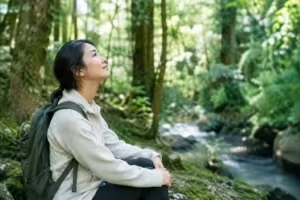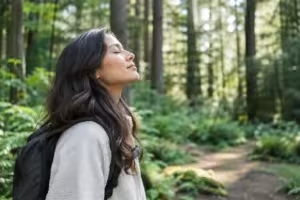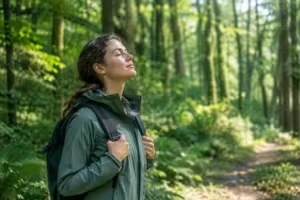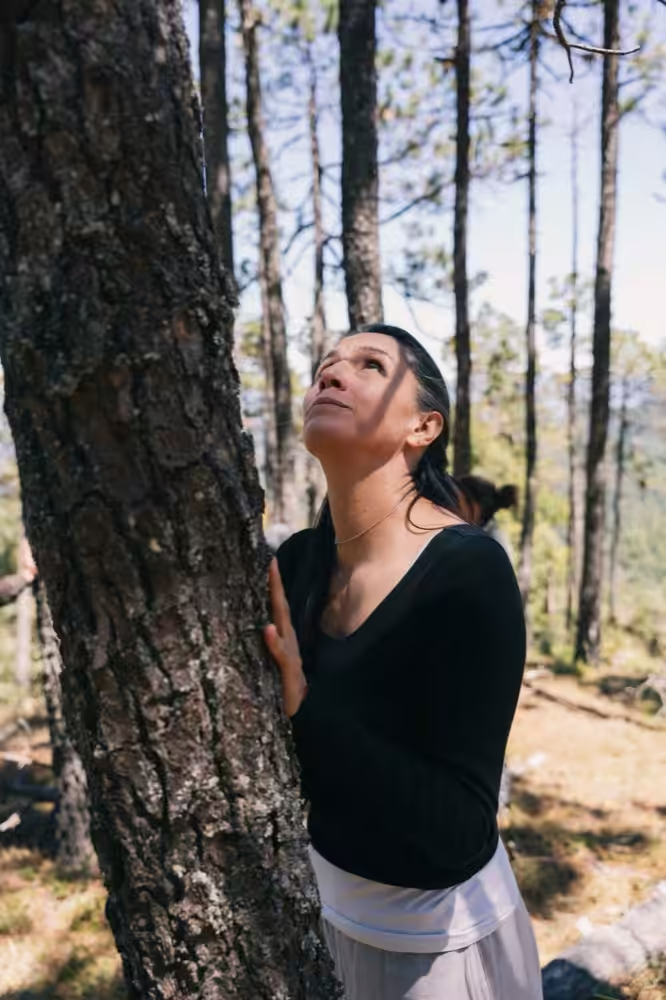
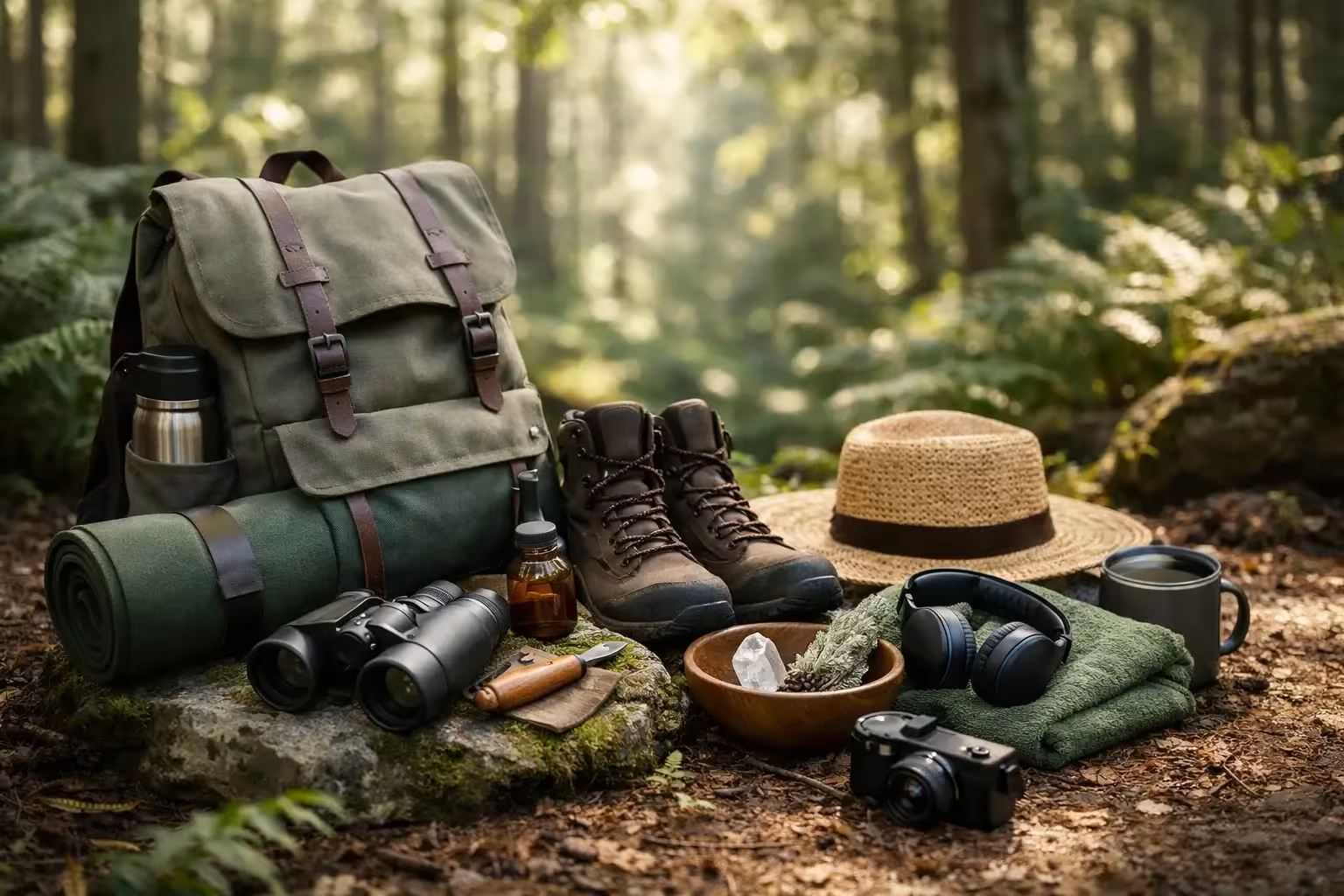
A forest bathing walk can begin with something as ordinary as noticing the temperature on your skin. But cold hands, wet socks, a buzzing phone, or thirst can pull attention away from that simple moment. This best forest bathing gear checklist is designed to help you arrive prepared without turning a restorative practice into an outdoor expedition.
Shinrin-yoku, often translated as forest bathing, is not about covering miles, reaching a viewpoint, or buying specialized equipment. It is a slower, sensory practice of spending intentional time among trees and other natural environments. The right gear should support comfort, safety, and presence – then fade into the background.
Best Forest Bathing Gear Checklist: Start With Comfort
Your body is part of your experience of the forest. When you are too hot, too cold, hungry, or distracted by discomfort, it becomes harder to notice birdsong, texture, fragrance, or the changing quality of light. Begin with clothing and essentials that allow you to move slowly and stay outside longer.
Wear layers you can adjust quietly
Choose breathable layers rather than one heavy item. A moisture-wicking base layer, an insulating mid-layer, and a light rain or wind shell will suit many US climates. The goal is not to dress for athletic exertion. Forest bathing usually involves gentle walking, standing, sitting, and pausing, so you may cool down more quickly than expected.
Avoid clothing that pinches, rustles loudly, or requires constant adjustment. Soft, comfortable fabrics make it easier to settle into stillness. In colder conditions, a warm hat and gloves can make the difference between a nourishing hour outdoors and an early retreat to the car.
Choose stable footwear, not necessarily hiking boots
Footwear should match the terrain. Supportive walking shoes may be ideal for a maintained park path, while waterproof trail shoes or hiking boots are more suitable for muddy, uneven, or rocky ground. Prioritize traction and a fit that lets you walk slowly without worrying about slipping.
There is a trade-off here. Heavy boots offer more protection on rugged trails, but they can feel excessive on a gentle woodland path. If you are practicing close to home on familiar, accessible trails, comfortable shoes with reliable soles are often enough. Break in new footwear before a longer outing to avoid blisters.
Bring water and a simple snack
A reusable water bottle belongs in nearly every forest bathing bag, particularly in warm weather or on longer walks. Hydration supports attention and physical comfort, but you do not need to carry a large pack for a short local practice.
Consider a small, low-mess snack if you will be out for more than an hour, are managing blood sugar, or are visiting a remote location. Nuts, fruit, or a simple energy bar work well. Eat mindfully and pack out every wrapper and food scrap.
A Small Pack for Safety and Ease
Forest bathing encourages openness, but it also benefits from sensible preparation. A lightweight daypack, crossbody bag, or waist pack can hold essential items while keeping your hands free. Select only what you are likely to need. Carrying too much can subtly shift the experience from mindful immersion to gear management.
For most outings, your core safety kit includes your phone, a small first-aid pouch, identification, a map or downloaded trail information, and any necessary medication. Let someone know where you plan to be if you are going alone, especially on an unfamiliar trail or in an area with limited cell service.
A compact first-aid kit does not need to be elaborate. Adhesive bandages, blister care, antiseptic wipes, and a few personal essentials cover many common situations. A whistle can also be useful on more remote trails, where a clear sound carries farther than a voice.
Your phone deserves a deliberate role. It can provide navigation, emergency access, and a camera if photography supports your practice. Before entering the forest, silence notifications or switch to airplane mode after confirming your route. The forest offers fewer demands on your attention. Give yourself permission to meet it without a stream of alerts.
Weather Protection That Preserves Presence
Weather changes the character of a forest bathing session. Rain intensifies the scent of soil and bark. Cooler air can make sounds feel sharper. A bright summer day may invite a shaded, unhurried route. With appropriate protection, many conditions can become part of the practice rather than a reason to cancel it.
Pack a compact rain jacket or poncho when the forecast is uncertain. An umbrella can be useful on easy paths, particularly for those who prefer a slower walk and want to protect glasses or hearing aids from rain. On narrow or uneven trails, however, a hands-free rain shell is safer.
In summer, bring sun protection even under a dense canopy. A hat, sunscreen, and insect repellent are practical considerations in many regions. Choose unscented or lightly scented products when possible, since strong fragrances can interfere with one of forest bathing’s central invitations: noticing the natural aroma of the place around you.
In colder months, carry an extra warm layer and something insulating to sit on. A folded sit pad, small blanket, or waterproof ground cloth makes it possible to pause comfortably on a log, rock, or forest floor. This modest item can deepen the experience because it gives you permission to remain still long enough for the environment to become more vivid.
Mindful Tools: Helpful, but Optional
You do not need meditation props to practice forest bathing. The forest is not a studio, and silence does not need to be manufactured. Still, a few simple tools can support intention, especially for people developing a regular practice or guides preparing a session for others.
A small notebook and pencil can be valuable for recording a sensory observation, a question, or a feeling that arose during the walk. Keep it brief. Forest bathing is primarily an embodied experience, not an assignment to complete. Often, one line written at the end is more meaningful than pages of notes taken throughout.
A sit pad is one of the most useful optional items because it supports longer pauses without separating you from the ground. A lightweight magnifying lens may also encourage close observation of leaves, lichen, tree bark, or patterns in a fallen cone. Use it with care, leaving living things undisturbed.
For guided sessions, consider carrying a few extra sit pads, tissues, hand sanitizer, and a visible timepiece. A guide may also bring invitations or prompts on small cards, though spoken invitations are often more natural. Professional preparation should create a safe container for participants, not make the experience feel over-programmed.
What to Leave Behind
The most supportive forest bathing kit is partly defined by what it excludes. Leave speakers, scented candles, bulky fitness equipment, and any expectation that nature must perform for you. Background music can be pleasant elsewhere, but it often masks the soundscape that helps participants reconnect with place.
Fitness trackers are a personal choice. Some people appreciate them for safety or routine, while others find step counts and performance data pull them toward goals that do not belong in a restorative walk. If you wear one, consider hiding the display or choosing not to check it until you return.
Avoid collecting plants, feathers, stones, or other natural objects unless you have explicit permission and local rules allow it. Ethical forest bathing includes stewardship. Take photographs if desired, but let the living community remain whole for wildlife and for the next person who visits.
Adapt Your Checklist to the Place and the Person
There is no single kit for every forest, body, or season. An accessible botanical garden may call for a water bottle, sun hat, and walking shoes. A damp Pacific Northwest trail may require waterproof footwear and a rain shell. A desert riparian area may make extra water, shade, and careful route planning the priority.
Personal needs matter just as much. Bring mobility aids, hearing support, allergy medication, menstrual supplies, or comfort items without hesitation. Forest bathing is not reserved for people who can hike far or sit on the ground. The practice can be adapted for benches, paved paths, wheelchairs, and even a quiet stand beneath a single tree.
For aspiring wellness professionals, thoughtful gear choices are also part of responsible facilitation. A globally recognized training pathway such as Treeming.org’s Forest Bathing Guide Certification can help you build the skills to plan inclusive, safety-conscious experiences while grounding your work in science-backed nature wellness principles.
Before your next walk, lay out only what will help you feel safe, comfortable, and receptive. Then let the checklist end at the trailhead. Once you are among the trees, the most valuable equipment is your unhurried attention.