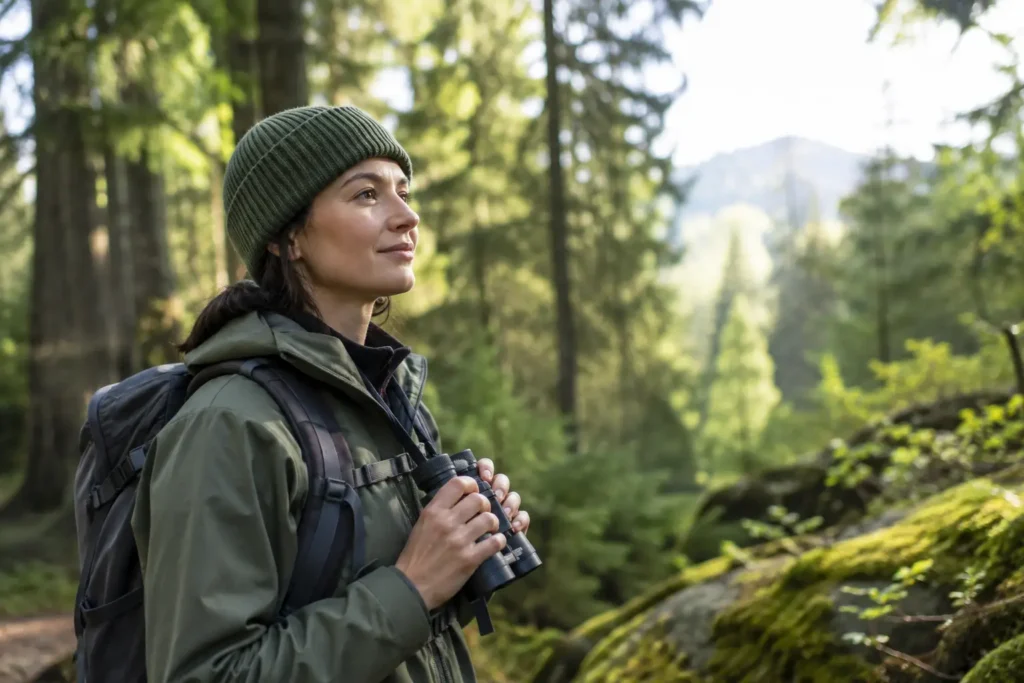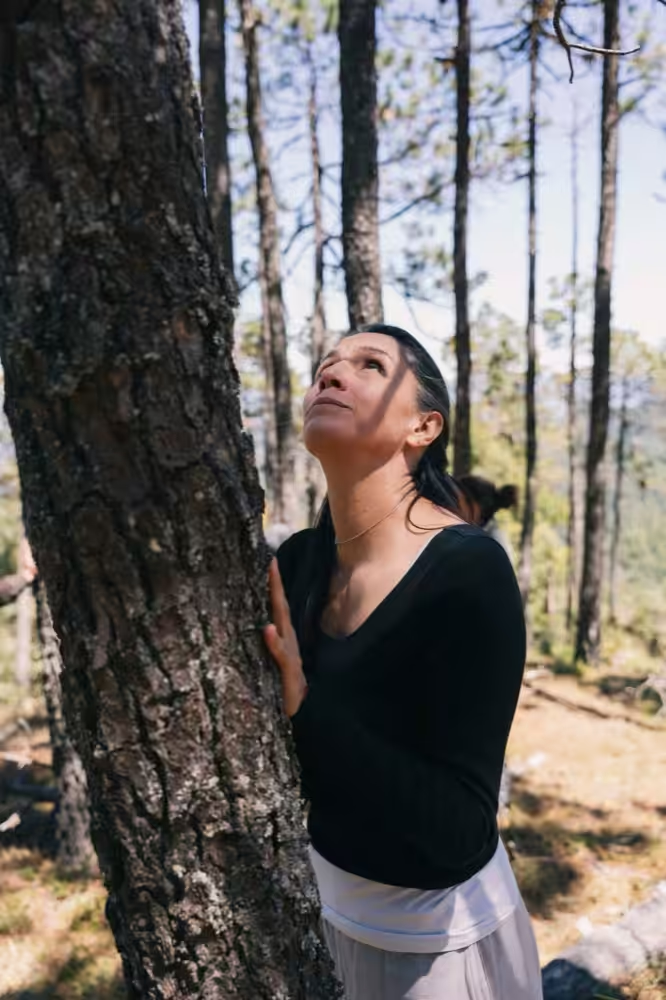
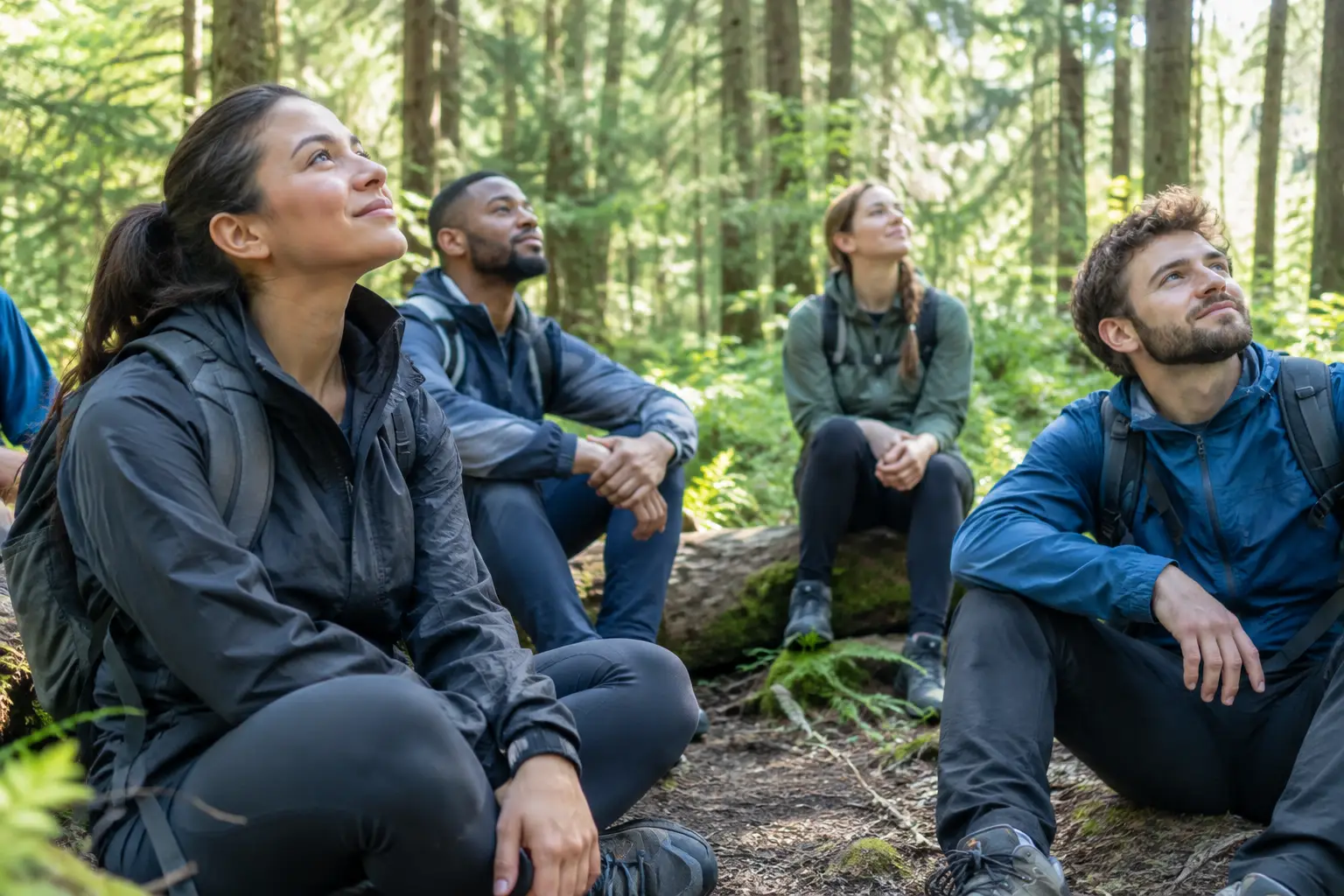
A team can spend eight hours discussing communication and still miss the quiet signals that make people feel seen: a pause before someone speaks, the tension in a rushed voice, the relief of being allowed not to perform. The best forest bathing activities for teams create a different kind of meeting space. Away from screens, deadlines, and conference-room roles, people can slow down enough to notice themselves, one another, and the living world around them.
Forest bathing, or Shinrin-Yoku, is not a hike with a mindfulness label attached. It is a gentle, sensory practice of being present in nature. For teams, the value is not productivity theater or forced vulnerability. It is the chance to support calmer attention, more authentic connection, and a workplace culture that recognizes restoration as part of sustainable performance.
Why Forest Bathing Works for Teams
Workplaces often ask people to collaborate at high speed while giving them little time to regulate their nervous systems. Nature-based experiences can interrupt that pattern. Research on time in natural environments suggests benefits for stress recovery, attention, and mood. A well-facilitated forest bathing session gives those potential benefits a practical group structure.
The key is low pressure. Participants do not need to identify plants, achieve a fitness goal, or share something personal. They are invited to notice. That distinction matters, especially for teams with different physical abilities, comfort levels, cultural backgrounds, or relationships to the outdoors.
A successful session also begins with clear expectations. Choose an accessible green space, ideally with trees, varied textures, and minimal traffic noise. Plan for 60 to 120 minutes, move slowly, and make every invitation optional. A trained guide can help hold that balance between a restorative experience and appropriate professional boundaries.
10 Best Forest Bathing Activities for Teams
1. Arrive With a Threshold Pause
Before entering the trail or garden, invite everyone to stand in a loose circle for two quiet minutes. Ask them to notice the ground beneath their feet, the temperature on their skin, and the sounds nearest and farthest away. Then encourage each person to set down, at least temporarily, one concern they have brought from work.
This simple threshold helps the group transition out of task mode. It also makes the session feel intentional without demanding that anyone explain what they are feeling.
2. Practice a Slow, Silent Walk
A slow walk is the foundation of many forest bathing experiences. Ask the team to spread out so no one feels crowded and walk at a pace that allows them to notice details: bark patterns, shifting light, leaf movement, or the changing quality of air.
Ten to fifteen minutes of silence can feel unfamiliar at first. That is useful information, not a problem to solve. Let participants know that there is no correct way to experience quiet, and that they may pause, sit, or walk more slowly as needed.
3. Try a Five-Senses Invitation
Rather than telling people to “be mindful,” offer one clear sensory invitation at a time. For example, ask the group to find three shades of green, listen for sounds they had not noticed when they arrived, or feel the difference between sun and shade.
For touch, encourage contact only with objects that are safe and already on the ground, such as a fallen leaf or smooth stone. Avoid asking people to taste plants or touch unknown species. The point is attentiveness, not collecting or consuming nature.
4. Find a Sit Spot
Invite each person to choose a comfortable place within sight of the group, such as a bench, a blanket, or a dry spot beneath a tree. Give them 10 minutes to simply sit and observe what changes when they stop moving.
A sit spot often reveals how quickly the mind reaches for plans and judgments. Instead of trying to eliminate those thoughts, participants can practice returning to what is present: birdsong, breeze, warmth, texture, and breath. This activity is especially helpful for teams accustomed to constant digital input.
5. Create a Nature Noticing Card
Provide small cards and pencils, then offer prompts such as: “Something that feels resilient,” “A pattern I had not seen before,” or “A small sign of renewal.” Participants can write a few words or make a simple sketch.
This is not an artistic exercise, and nobody needs to share their card. For teams that enjoy reflection, voluntary sharing afterward can become a gentle conversation about perspective. People often notice entirely different things in the same landscape, a useful reminder that diverse attention strengthens collective thinking.
6. Use a Sound Map
Ask everyone to sit quietly and mark themselves in the center of a piece of paper. As they hear sounds, they place a word, symbol, or line on the page to show where each sound seems to come from. A bird above, wind on the left, distant water behind them.
A sound map redirects attention from internal noise to the wider environment. It is also accessible for participants who may not want to walk far. Afterward, invite brief reflections on which sounds felt calming, surprising, or easy to overlook.
7. Share a One-Word Check-In
After a period of sensory practice, gather the team and invite each person to offer one word describing what they notice in themselves right now. “Settled,” “curious,” “restless,” and “lighter” all belong.
Keep this activity brief and pass-friendly. No one should have to justify their word or respond to someone else’s. The purpose is to practice presence and listening, not turn the forest into a therapy session.
8. Make a Reciprocal Gratitude Offering
Forest bathing is most meaningful when it includes reciprocity. Invite the team to consider one small way they can care for the place that is hosting them. This might mean picking up litter if it is safe to do so, staying on established paths, or committing to a workplace habit that reduces waste.
Avoid taking natural materials home or constructing objects from living plants. A sincere verbal expression of gratitude, followed by respectful behavior, is enough. This activity connects well with organizations that want their wellness practices to reflect environmental values.
9. Pair Walk With Deep Listening
For this invitation, partners walk slowly together for five minutes. One person speaks about a neutral prompt, such as a place in nature they remember or something they have observed during the session. The other listens without interrupting, fixing, or adding their own story. Then they switch.
Deep listening is a professional skill as much as a mindful one. Keep prompts light and avoid requiring personal disclosure. For a newly formed team, this can be more comfortable than a large-group discussion while still building trust.
10. Close With a Re-Entry Ritual
The final minutes deserve as much care as the opening. Gather the group and ask participants to notice one thing they want to carry back into their workday: a slower breath, a greater awareness of surroundings, or permission to pause before reacting.
Close with practical guidance too. Let everyone know what happens next, where to meet, and when regular work communication resumes. Clear re-entry prevents a restorative experience from ending in confusion or an immediate rush back to email.
How to Choose the Right Activities for Your Group
The best forest bathing activities for teams depend on the group, location, and purpose. A team facing high stress may benefit from longer silent periods and sensory invitations. A group working on connection may prefer paired listening and optional reflection. For a large corporate group, simple activities with clear boundaries are usually more effective than complex exercises.
Accessibility should shape the plan from the beginning, not be added later. Choose level routes, offer seated options, avoid uneven terrain when possible, and make silence optional for people who may need to communicate with a support person. Consider weather, allergies, restroom access, and local regulations as part of responsible facilitation.
It also helps to separate forest bathing from conventional team-building expectations. Do not use the session to assess leadership, force collaboration, or extract new ideas. When participants believe they must produce an outcome, they may remain in the very performance mindset the practice is meant to soften.
Facilitation Matters More Than a Perfect Forest
A city park, botanical garden, or tree-lined campus can be enough. What matters most is how the experience is guided. A calm facilitator uses invitational language, protects time for silence, and stays attentive to group energy and safety. They also understand when not to interpret someone’s response or make health claims beyond the evidence.
For wellness professionals and workplace facilitators, formal training can provide the ethical framework and practical confidence to lead sessions well. Treeming’s accredited Forest Bathing Guide Certification offers a science-backed foundation for those who want to bring this practice into their work with care, credibility, and respect for the natural world.
The most valuable outcome may not appear in a post-event survey. It may be the colleague who notices the breeze before opening their laptop, the manager who leaves space before answering, or the team that remembers it can slow down together. Give people a real invitation to notice, and let the forest do what it has always done: offer a place to return to themselves.