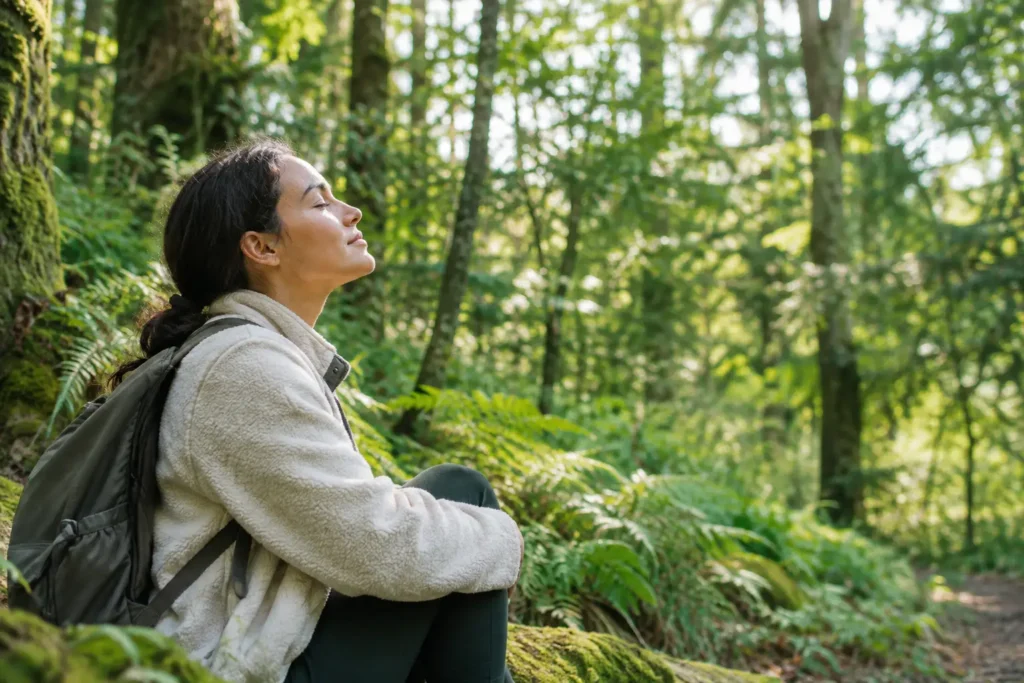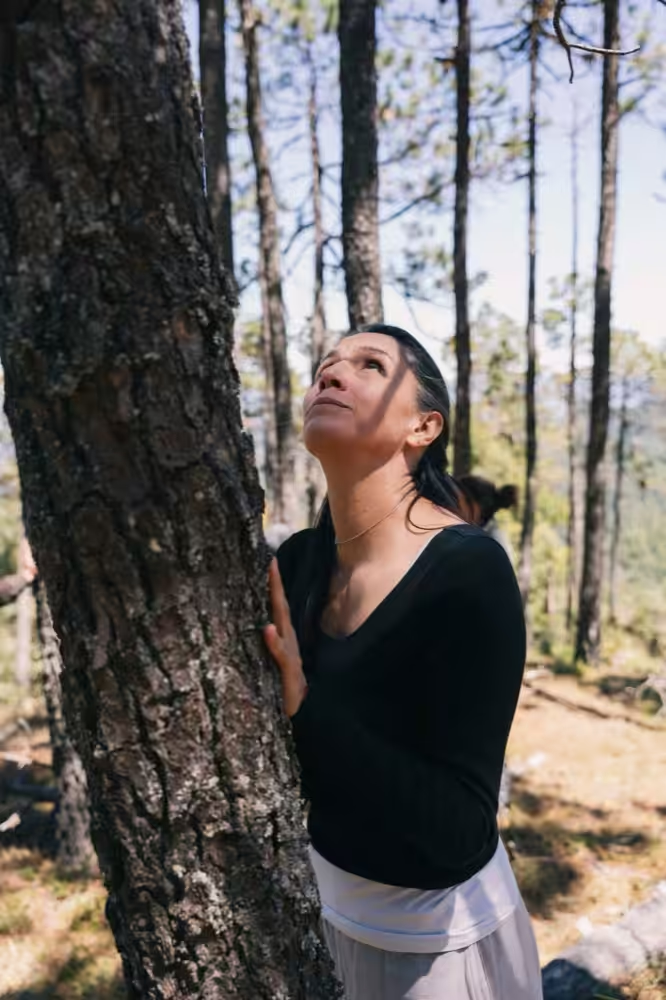

A shinrin yoku walk should not feel like a hike with a wellness label added at the end. The structure matters because it shapes the nervous system response, the pace of attention, and the depth of connection people can reach. If you are learning how to structure a shinrin yoku walk for yourself, a small group, or future clients, the goal is simple: create conditions that help people slow down enough to truly notice.
That sounds gentle, but it is also highly intentional. A well-designed forest bathing experience balances openness with guidance. Too little structure, and people stay in their usual mental habits. Too much, and the experience becomes performative or rushed. The strongest walks create a clear container, then allow nature to do much of the teaching.
What makes a shinrin yoku walk different
Shinrin-yoku, often translated as forest bathing, is not exercise in the conventional sense. It is a relational, sensory practice supported by research on stress reduction, mood, attention, and overall well-being. Rather than covering distance, participants are invited to enter a slower rhythm and engage with the environment through the senses.
This is why structure matters so much. In a typical walk, the path and destination lead the experience. In shinrin yoku, the sequence of attention leads the experience. The setting still matters, of course, but even a beautiful forest can feel mentally busy if the pace is too fast or the transitions are unclear.
A strong structure gives people permission to let go of productivity, conversation, and outcome chasing. That shift is where many of the benefits begin.
How to structure a shinrin yoku walk from start to finish
The most effective approach is to think in phases rather than rigid rules. A shinrin yoku walk usually moves through arrival, sensory opening, deepening contact, optional reflection, and a gentle close. The exact timing depends on your setting, your group, and whether the experience is personal or professionally guided, but the arc remains consistent.
Begin with arrival, not movement
Most people arrive carrying momentum from the rest of their day. They may be mentally planning dinner, replaying emails, or scanning their phone one last time. If you start walking immediately, that momentum comes with them.
Instead, begin with an arrival period. Invite stillness for a minute or two. Encourage a few slower breaths without turning it into a performance. Let people notice the temperature, the air on the skin, the sounds at the edge of hearing. This is less about technique and more about transition.
If you are guiding others, this is also the moment to establish the tone. You might briefly explain that there is no need to achieve anything, no right way to feel, and no pressure to talk. That kind of framing is especially helpful for high-achieving adults who are used to doing wellness well.
Set a pace that feels almost unusually slow
One of the most common mistakes in forest bathing is moving too quickly. When people walk at their everyday pace, visual attention narrows and sensory detail gets filtered out. A shinrin yoku walk benefits from a tempo that gives the body time to downshift.
Slow does not mean artificial. It means allowing pauses, short stops, and periods of unhurried wandering. In some settings, participants may only cover a small distance over an hour. That is not a failure of the walk. It is often a sign that the practice is doing what it is meant to do.
There is a trade-off here. If the group is new to the practice, slowing down too abruptly can feel awkward. In that case, ease in. Start with a gentle walk, then gradually lengthen the pauses and shorten the distances between invitations.
Use sensory invitations to open attention
The heart of the structure lies in simple invitations. These are not tasks to complete. They are prompts that help participants shift from analytical thinking into embodied awareness.
A few examples include noticing three layers of sound, observing textures at arm’s length, feeling the difference between sunlight and shade, or exploring what draws the eyes naturally rather than what should be interesting. Each invitation should be spacious enough that people can make their own meaning.
If you are guiding professionally, avoid over-explaining the neuroscience in the middle of the walk. The science behind nature-based stress relief is valuable and can build trust, but too much teaching during the experience can pull people back into their heads. A brief grounding in the evidence before or after the walk is often more effective.
Structuring the middle of a shinrin yoku walk
The middle section is where the practice deepens. This is the phase where participants often begin to settle, notice more detail, and experience the subtle emotional shift that forest bathing is known for.
Alternate movement and stillness
A useful rhythm is to move slowly, pause for an invitation, then allow time for silent exploration. This creates a wave-like experience rather than a continuous stream of instruction. Movement resets the body. Stillness lets perception widen.
Some guides worry that silence will feel empty. In practice, silence is often where the richest moments happen. People notice birdsong they missed before, the geometry of bark, the scent of damp soil, or a sense of ease they have not felt all week.
That said, the environment influences what is possible. A public park with heavy foot traffic may require shorter stillness periods than a quieter woodland setting. Good structure responds to the place rather than forcing a perfect script onto imperfect conditions.
Keep the group contained, but not controlled
If you are guiding others, offer enough direction that people feel safe, but leave room for autonomy. You might invite participants to stay within sight or within a certain natural boundary while they explore. Clear parameters reduce uncertainty and help people relax.
This matters even more for wellness professionals who want to lead sessions confidently. A calm experience often depends on invisible preparation: route familiarity, accessibility awareness, weather planning, and knowing where the group can pause without interruption. The more thoughtfully you hold the container, the more freedom participants feel inside it.
Allow emotional range
Not every shinrin yoku walk produces immediate peace. Many people do feel calmer, clearer, and more grounded. Others may first notice restlessness, grief, fatigue, or overstimulation finally coming into awareness. That is not a sign the structure is failing.
A good walk makes space for whatever arises without trying to fix it. Nature-based practice is supportive, but it is not a forced mood intervention. This is part of what makes a credentialed, science-informed approach so valuable for professionals. It helps you guide with sensitivity rather than assumption.
How to close a shinrin yoku walk well
The ending deserves as much care as the beginning. Without a clear close, people often snap back into conversation, planning, and phone checking before the benefits have a chance to settle.
Create a gentle transition out
Toward the end, reduce the number of new invitations. Let the experience become simpler. A final period of stillness, a slow return walk, or a quiet moment of noticing what feels different in the body can help integrate the practice.
If the walk is guided, this is an appropriate time for optional reflection. Some groups benefit from briefly sharing a sensory moment, image, or feeling they want to carry forward. Keep it light and invitational. No one should feel required to produce insight.
A small ritual can also work well, especially in professional settings. That might be a final breath together, a moment of gratitude toward the land, or an invitation to re-enter the rest of the day with one quality of attention preserved.
Practical choices that shape the experience
When considering how to structure a shinrin yoku walk, logistics are never separate from the practice. Time, terrain, and group composition all influence what will feel restorative rather than draining.
A 45- to 90-minute format works well for many adults, especially beginners. Less than that can feel rushed. Much longer can be deeply nourishing, but only if the pace, weather, and physical comfort support it. Terrain should be easy enough that participants do not need to focus on strenuous navigation. The point is sensory presence, not endurance.
Group size also changes the structure. Solo practice allows more spontaneity. Small groups tend to feel intimate and calm. Larger groups require stronger pacing, clearer boundaries, and more attention to acoustics and spacing. If your long-term goal is to guide professionally, learning these differences is part of creating experiences that are both meaningful and responsibly held.
For those who want a deeper foundation, Treeming.org has helped many students translate a personal love of nature into a more structured, evidence-based practice they can trust and eventually share.
A simple principle to remember
The best shinrin yoku walks are not packed with content. They are shaped with care. If you remember one principle, let it be this: structure the experience to support softening, not stimulation.
That means less talking, less rushing, fewer objectives, and more room for the senses to lead. Nature does not need much help. It simply needs enough time, attention, and respectful guidance for people to meet it fully.
The next time you step onto a trail, resist the urge to make the walk impressive. Make it spacious. That is often where the real shift begins.