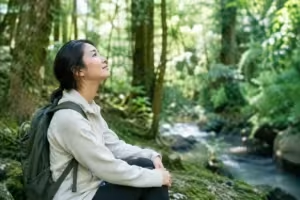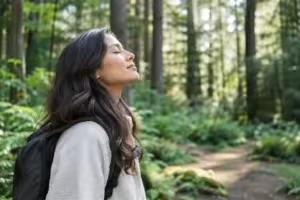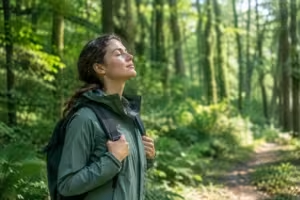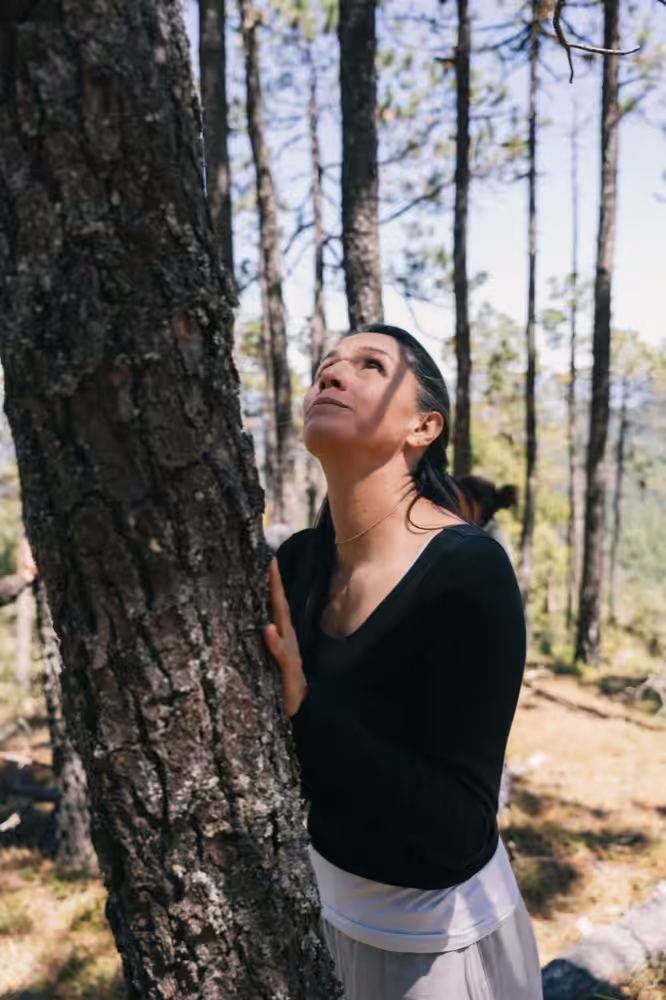
A meaningful forest bathing practice does not require you to disappear into the woods for hours every day. Yet a realistic forest bathing training time commitment does ask for something valuable: consistent attention. Whether you hope to restore your own sense of calm or lead others through nature-based wellness experiences, the right pace is one you can sustain with presence.
For many adults, the question is not whether forest bathing is worth learning. Research connecting time in nature with stress reduction, improved mood, and mental restoration makes the practice deeply relevant. The question is how training fits between work, family, existing clients, and the everyday responsibilities that can make inner peace feel far away.
What Shapes Your Forest Bathing Training Time Commitment?
There is no single number that applies to every learner. Your time commitment depends on your reason for training, the format of the program, your prior experience with mindfulness or facilitation, and the depth of practice you want to develop.
Someone learning Shinrin-Yoku for personal well-being may focus on understanding the foundations, developing sensory awareness, and making time for regular nature immersion. An aspiring Forest Bathing Guide has a broader responsibility. In addition to personal practice, they need to understand how to create safe, inclusive, intentional experiences for others.
That distinction matters. Reading about forest bathing can take an afternoon. Learning to guide with confidence involves study, reflection, observation, and repeated practice in real outdoor settings. It is less about rushing through modules and more about letting the material change how you notice the living world around you.
Your learning format
A self-paced online program gives you substantial control over your schedule. Instead of needing to attend a live class at a fixed time each week, you can study early in the morning, during a lunch break, or on a quieter weekend. This flexibility is particularly useful for wellness professionals who are balancing client sessions, continuing education, and personal commitments.
Flexibility does not mean that progress happens automatically. Set aside recurring time for lessons and reflection rather than relying on whatever time remains at the end of a busy week. A modest, protected routine is usually more effective than an occasional intensive burst followed by several weeks away from the course.
Your intended outcome
If your goal is a more grounded personal relationship with nature, a few hours each week may be enough to move through training thoughtfully and apply what you learn outdoors. You might watch a lesson, journal about your observations, then take a slow walk in a local park or along a tree-lined street.
If you plan to offer paid forest bathing sessions, allow more space for integration. Professional preparation may include studying ethics and group care, designing invitations, considering accessibility, practicing transitions between activities, and learning how to hold silence without feeling compelled to fill it. These skills grow through experience, not simply completion.
Your access to nature
A forest is wonderful, but it is not the only place to practice. A neighborhood greenway, botanical garden, public park, backyard, or campus with mature trees can become a setting for sensory attention. If travel to a natural area takes time, plan for that reality rather than treating practice as an extra task that must fit into an already full day.
Regular contact with even a small natural space can support learning. The key is to return with curiosity. Notice what changes in the light, sounds, temperature, plant life, and in your own state of mind. That lived understanding becomes especially valuable when you eventually guide others.
A Realistic Weekly Rhythm for Training
For a self-paced forest bathing course, many learners find that two to four hours of focused study per week feels manageable. This can be divided into several short sessions. For example, you may spend one evening with course material, use 20 minutes for reflection on two weekdays, and reserve a longer block for an outdoor practice.
The amount of time you need will depend on the course requirements and your desired pace. Some people prefer to complete coursework steadily over several months. Others have a temporary opening in their schedule and choose to study more intensively. Neither approach is automatically better. The more sustainable choice is the one that gives you room to absorb the material rather than merely check off lessons.
A helpful rhythm has three parts: learning, practicing, and reflecting. Learning provides the science, principles, and methods behind forest bathing. Practice brings those principles into your body and senses. Reflection helps you recognize what you noticed, what felt challenging, and how your approach may need to evolve.
For professional learners, it can also be wise to include time for a small practice circle. Invite a trusted friend, colleague, or family member for a simple, low-pressure experience after you have learned the relevant methods. Their feedback can reveal whether your language is clear, whether your pacing feels calm, and whether your invitations create room for individual choice.
Why Practice Time Is Not an Add-On
Forest bathing is often misunderstood as a scenic walk with a wellness label. It is a guided, mindful way of relating to the natural environment through the senses. Training introduces a framework, but personal practice is where that framework becomes genuine.
During outdoor practice, you learn the difference between giving an instruction and offering an invitation. You discover how long a few quiet minutes can feel, how weather affects a group, and why a route that looks ideal on a map may not support accessibility or ease. You also become more aware of your own habits. Many new guides notice how quickly they shift into planning, explaining, or trying to create a particular outcome.
That awareness is not a problem. It is part of the training. A grounded guide does not need to perform wisdom. They need to create conditions in which participants can slow down, notice nature, and encounter their own experience without pressure.
Practice also protects the integrity of the work. Forest bathing can complement wellness routines and support a sense of restoration, but it is not a substitute for medical or mental health care. Training should help future guides communicate these boundaries clearly and refer participants to appropriate support when needed.
Planning for Certification Without Burning Out
If certification is your goal, begin by reviewing the program structure before you enroll. Look beyond the estimated course length. Consider the type of assessments, the amount of practical application expected, access to instructor support, and whether the credential aligns with your professional plans. A recognized, accredited program can add confidence when you are building a wellness offering, but only if you can make time to engage with it fully.
Start with a realistic calendar. Identify two or three dependable study windows each week, then choose one regular time for nature practice. Treat these appointments with the same respect you would give a client or a health commitment. If your weeks are unpredictable, use a minimum standard instead: perhaps one lesson and one short outdoor practice before the week ends.
It also helps to separate completion from readiness. Completing an accredited course is a meaningful achievement. Feeling ready to guide may require additional time practicing your voice, refining your route planning, and becoming comfortable with the unpredictable elements of outdoor facilitation. Weather changes, trail closures, group energy, and seasonal shifts are all part of the work.
Treeming’s online learning model is designed for adults who need flexibility without sacrificing a science-backed, professionally structured education. That makes it possible to build your skills around a real life, while still giving the practice the care it deserves.
Make the Commitment Gentle and Specific
Avoid setting a vague goal such as “study when I can.” Choose a pace you can name. You may decide that Tuesday and Thursday evenings are for coursework, while Saturday morning is for a slow, device-free visit to a nearby natural space. Small commitments become powerful when they are repeated.
There will be weeks when work intensifies, children are home, travel intervenes, or your energy is simply low. In those moments, shorten the practice rather than abandoning it. Stand beneath a tree for ten attentive minutes. Feel the air on your skin. Listen for the farthest sound you can hear, then the nearest. Training is not a race toward a finish line. It is an education in returning.
The time you give forest bathing training can become more than professional development or another wellness task. Given a steady place in your week, it can teach you how to meet nature, your future participants, and yourself with greater attention.